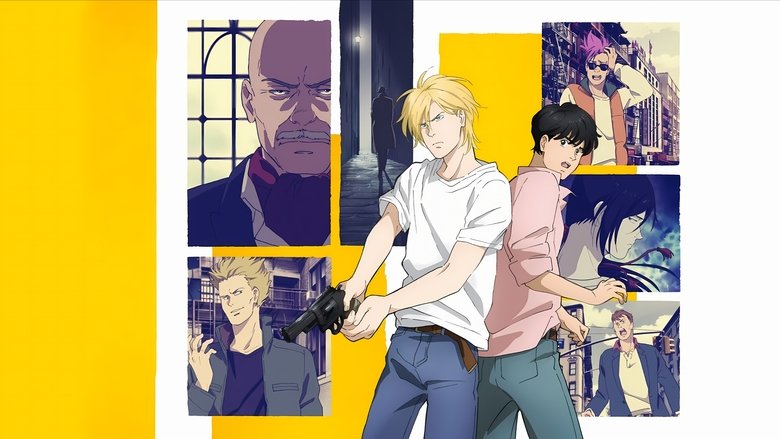
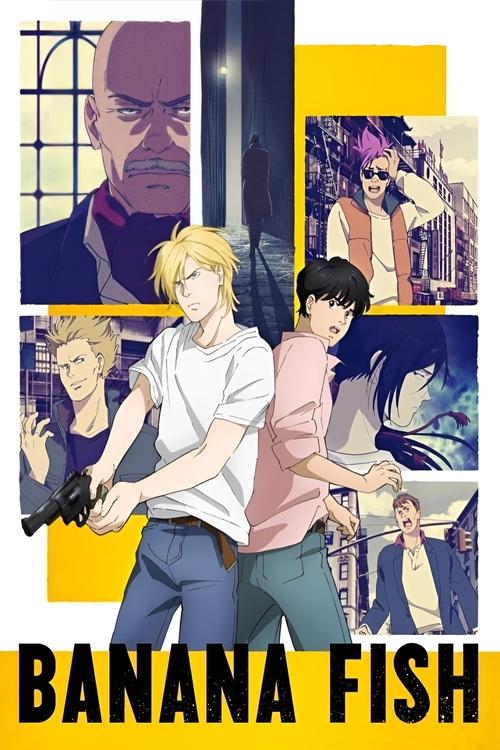
Banana Fish's plot is a tightly woven conspiracy that unfolds with several major twists. The central mystery, the phrase "Banana Fish," is revealed to be the name of a powerful mind-control drug developed by Dr. Alexis Dawson and his brother, Abraham. Ash's brother, Griffin, was an unwitting test subject during the Iraq War, which is what destroyed his mind. The conspiracy extends to the highest levels of the U.S. government, who want to weaponize the drug.
A key mid-series tragedy is the death of Shorter Wong, Ash's loyal friend from Chinatown. He is captured by Dino Golzine's men and given Banana Fish, which causes him to go insane and attack Eiji. In a moment of profound agony, Ash is forced to shoot and kill Shorter to save Eiji and end his friend's suffering. This event marks a point of no return for Ash, deepening his resolve to destroy Golzine and everyone associated with the drug.
The latter half of the series introduces Blanca, a highly skilled professional assassin and Ash's former mentor. Initially hired by Golzine to recapture Ash, Blanca's presence complicates the conflict, as he retains a level of respect for his former student. His eventual decision to aid Ash is crucial in the final confrontation. We also learn the full extent of Ash's past: he was sexually abused from a young age and groomed by Golzine to be the perfect heir, a combination of intellectual brilliance and ruthless skill, which explains Golzine's twisted, obsessive "love" for him.
The series finale delivers the ultimate twist of fate. After a climactic battle where Ash successfully dismantles Golzine's operation and kills his chief rivals, Golzine himself falls to his death. Ash is finally free. However, as he walks away, distracted and softened by reading a letter from Eiji, he is stabbed in a seemingly random act of revenge by Lao Yen Thai, Sing Soo-Ling's second-in-command, who mistakenly believed Ash would harm Sing. Ash, recognizing the wound is fatal, chooses not to seek help. Instead, he walks to the New York Public Library, his sanctuary. He spends his final moments rereading Eiji's letter, which contains the line, "My soul is always with you." The knowledge of this profound, unconditional love allows Ash to die peacefully with a smile, finally at rest after a life of unending torment. The tragedy is that he dies not in a grand battle, but from a senseless act of violence, just when freedom was within his grasp—a poignant commentary on the inescapable nature of his past.