
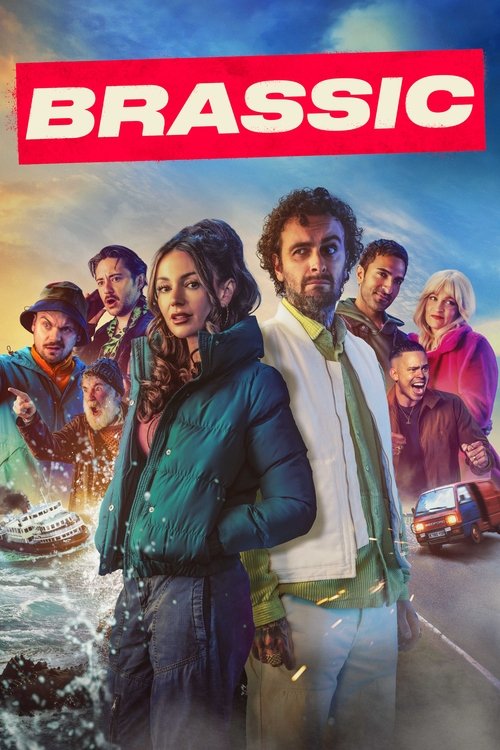
"Trouble sticks together."
Brassic - Symbolism & Philosophy
Symbols & Motifs
Vinnie's Shack
Vinnie's shack symbolizes his mind and his isolation. It's his sanctuary, a place of solitude away from the chaos of the world, but also a reflection of his mental state—precarious, messy, yet uniquely his. It's where he goes to retreat during his depressive episodes, making it a physical representation of his internal world.
Located in the woods, the shack is Vinnie's home throughout the series. It's where he has heart-to-heart conversations, plans heists, and battles his demons. The location of the shack has moved during production, from Bolton to the woods near Arley Hall in Cheshire, but its significance as Vinnie's refuge remains constant.
The Town of Hawley
The fictional town of Hawley represents post-industrial decline and the feeling of being left behind by the rest of the country. It's a character in itself—gritty, worn-down, but full of life and resilience. It symbolizes the socioeconomic trap that the characters find themselves in, but also the deep-rooted community and identity that comes from such a place.
Inspired by co-creator Joe Gilgun's hometown of Chorley, Lancashire, Hawley is the backdrop for all the gang's activities. Filming primarily takes place in the real town of Bacup, which gives the show its authentic, lived-in feel. The town's streets, pubs, and bleakly beautiful surrounding countryside are integral to the show's visual identity.
The Heists
The often-absurd and comically failing heists symbolize the characters' futile struggle against their circumstances. Each plan, no matter how elaborate, usually goes wrong, reflecting the idea that there are no easy shortcuts out of poverty. The chaos of the heists serves as a metaphor for the unpredictability of their lives, while their persistence highlights their unyielding hope and resilience.
Nearly every episode features a central crime or scam. Memorable examples include stealing a Shetland pony in the first episode, robbing a stripper's boss, attempting to steal a prized bull's semen, and accidentally getting trapped in a sewer. These capers drive the plot and provide the series with its signature blend of action and comedy.
Philosophical Questions
Can you be a good person while doing bad things?
The series constantly explores this question through its characters. The gang members are thieves, scammers, and growers of cannabis, yet they operate with a strong moral code based on loyalty and protecting the vulnerable. Vinnie, in particular, wrestles with this; his criminal actions are often driven by a desire to help his friends or provide for his son. The show suggests that morality is not black and white, and that in a fundamentally unfair society, conventional ethics may not always apply.
What is the nature of 'home'?
"Brassic" questions whether home is a place you should escape from or a community that defines and supports you. Erin's journey is the primary lens for this exploration. Her initial desire to leave Hawley is challenged by her deep, undeniable connection to the people there. The series posits that 'home' is less about a geographical location and more about the network of relationships that provide a sense of belonging, even amidst chaos and poverty.
How does mental illness shape identity?
Through Vinnie, the show delves into whether his bipolar disorder is simply a condition he manages or an intrinsic part of who he is. His creativity, charisma, and wild energy are often linked to his manic phases, while his vulnerability and artistic side emerge during his lows. The series avoids simple answers, portraying his mental health as a complex, integral part of his identity that is both a source of immense pain and, at times, a catalyst for his unique perspective on life.
Core Meaning
At its core, "Brassic" is a powerful exploration of found family and survival in a post-industrial northern town that society has largely forgotten. The creators, Joseph Gilgun and Danny Brocklehurst, use comedy to destigmatize mental illness, particularly Vinnie's bipolar disorder, which is based on Gilgun's own life experiences. The series argues that a person's worth is not defined by their economic status or mental health struggles. It champions the idea that loyalty, love, and humor are the essential tools for navigating a life of hardship, suggesting that true wealth lies in the strength of community and the ability to find laughter in the darkest of situations.