
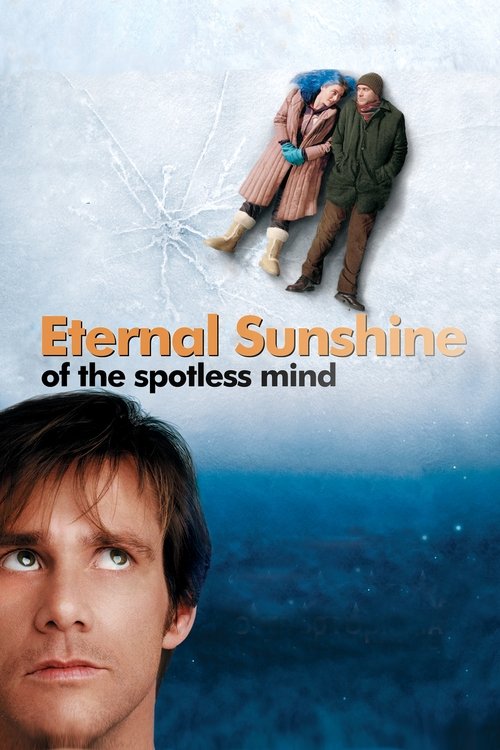
"You can erase someone from your mind. Getting them out of your heart is another story."
Director: Michel Gondry
Cast: Jim Carrey, Kate Winslet, Kirsten Dunst, Mark Ruffalo, Elijah Wood
Eternal Sunshine of the Spotless Mind — Movie Quotes
Memorable Quotes
How happy is the blameless vestal's lot! The world forgetting, by the world forgot. Eternal sunshine of the spotless mind! Each pray'r accepted, and each wish resign'd.
Context
Mary recites this poem to Dr. Mierzwiak during Joel's memory erasure procedure, reflecting on the philosophical underpinnings of their work. The scene juxtaposes the seemingly profound and beautiful idea of a "spotless mind" with the messy and unethical reality of what is happening.
Meaning
This quote, from Alexander Pope's poem "Eloisa to Abelard," gives the film its title and central theme. It speaks to the idea of finding peace and happiness through forgetting, a concept the film ultimately challenges. Mary's recitation of the poem is ironic, as she later discovers the devastating consequences of having her own memories erased.
Too many guys think I'm a concept, or I complete them, or I'm gonna make them alive. But I'm just a fucked-up girl who's looking for my own peace of mind. Don't assign me yours.
Context
Clementine says this to Joel during one of their early encounters. It serves as both a warning and a plea for him to see her as a real person with her own flaws and desires, a challenge that their relationship will ultimately face.
Meaning
This line is a powerful subversion of the "Manic Pixie Dream Girl" trope. Clementine demonstrates self-awareness about how men perceive her and asserts her own identity and struggles. It encapsulates her desire to be seen as a complex individual rather than an idealized figure who exists solely to enrich a man's life.
I could die right now, Clem. I'm just... happy. I've never felt that before. I'm just exactly where I want to be.
Context
Joel says this to Clementine as they lie on the frozen Charles River, a memory that becomes one of the last to be erased. This scene represents the peak of their happiness and the kind of moment that makes their relationship, despite its pain, worth remembering.
Meaning
This quote captures a moment of pure, unadulterated happiness for Joel, a feeling he admits is foreign to him. It highlights the profound and positive impact Clementine has had on his life, pulling him out of his shell and allowing him to experience genuine joy. It's a memory he desperately clings to during the erasure process.
You can erase someone from your mind. Getting them out of your heart is another story.
Context
This idea is demonstrated throughout the film. Although Joel and Clementine's memories are erased, the emotional pull they feel towards each other remains, drawing them back together. Similarly, Mary's feelings for Dr. Mierzwiak resurface despite her procedure.
Meaning
This quote encapsulates a central theme of the film: the distinction between intellectual memory and emotional connection. It suggests that while the technical process of memory erasure may be possible, the deep-seated feelings and emotional bonds forged between people are far more resilient and cannot be so easily removed.
Okay.
Context
This is Joel's final line in the film, after he and Clementine have listened to their hurtful pre-erasure tapes. Clementine tells him he will eventually find things he doesn't like about her and that she'll get bored and feel trapped. His simple "Okay" signals his newfound maturity and willingness to try again, with his eyes wide open.
Meaning
Joel's simple, understated response to Clementine's warning that their relationship will inevitably become difficult again is incredibly powerful. It signifies his acceptance of the imperfections of love and his conscious choice to embrace the relationship, with all its potential for pain, rather than run from it. It's a quiet acknowledgment that the good times are worth the bad.
Explore More About This Movie
Dive deeper into specific aspects of the movie with our detailed analysis pages