
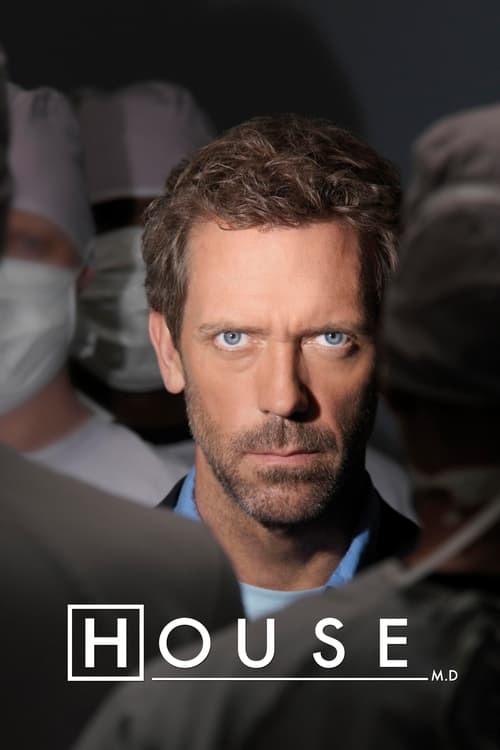
The overarching narrative of "House" is the slow, cyclical, and painful evolution of its titular character. Initially, his team (Foreman, Chase, Cameron) serves as his moral and methodological foils. Foreman fears becoming like House, Cameron believes in empathy, and Chase is an eager sycophant. This dynamic implodes at the end of Season 3, forcing House to recruit a new team, which introduces new challenges and relationships, particularly with the enigmatic "Thirteen," who has Huntington's disease.
Several major plot twists define the series. The death of Amber, Wilson's girlfriend, at the end of Season 4, is a devastating event that House indirectly causes, fracturing his friendship with Wilson and burdening him with immense guilt. The suicide of Dr. Kutner in Season 5 is a shocking and inexplicable event that sends House into a psychological spiral, leading to Vicodin-induced hallucinations of Amber and his eventual committal to a psychiatric hospital at the start of Season 6.
The central romantic arc of the series is the relationship between House and Cuddy ("Huddy"). After years of tension, they finally get together at the end of Season 6. Season 7 explores their attempt at a normal life, but House's inability to cope with Cuddy's health scare causes him to relapse on Vicodin, destroying their relationship. In a fit of rage, he drives his car into her house, a destructive act that forces him to flee the country and leads to Cuddy's resignation and departure from the series.
The final season sees House return to the hospital under Foreman's supervision. The ultimate plot development is Wilson's terminal cancer diagnosis. Facing a prison sentence for the damage to Cuddy's house, which would mean he couldn't be with Wilson in his final months, House fakes his own death in a fire. The series ends with House, now legally dead and free from his obligations, joining Wilson for a final motorcycle trip, having finally chosen friendship over the intellectual puzzle of medicine. This act demonstrates his ultimate character growth, realizing that the meaning he sought was not in the truth of medicine, but in human connection.