In a Heartbeat
A whimsical, silent animation capturing the fluttering anxiety and innocent thrill of a first crush through a heart that leaps from a boy's chest to chase his dream boy.
In a Heartbeat
In a Heartbeat

"The Heart Wants What The Heart Wants"

01 June 2017 United States of America 4 min ⭐ 8.0 (1,008)
Director: Beth David Esteban Bravo
Cast: Nick Ainsworth, Kelly Donohue
Animation Comedy Romance
Innocence of First Love LGBTQ+ Identity and Acceptance The Uncontrollable Nature of Love Fear of Social Judgment

In a Heartbeat - Ending Explained

⚠️ Spoiler Analysis

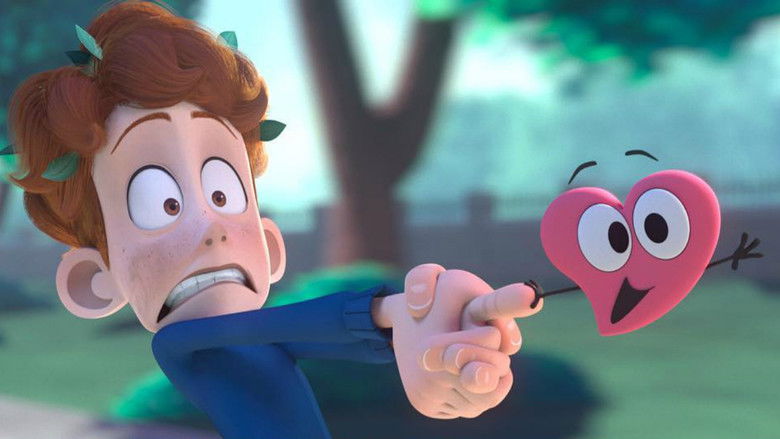
The core of "In a Heartbeat" lies in its visual storytelling, which culminates in a powerful and heartwarming climax. The central plot device is Sherwin's anthropomorphic heart, which outs him by chasing his crush, Jonathan. After a series of frantic and comedic attempts by Sherwin to hide his heart, it finally manages to get close to Jonathan. However, the turning point occurs when other students witness the scene. Their judgmental stares cause Sherwin, in a moment of sheer panic and shame, to literally rip his heart in two, breaking the connection.

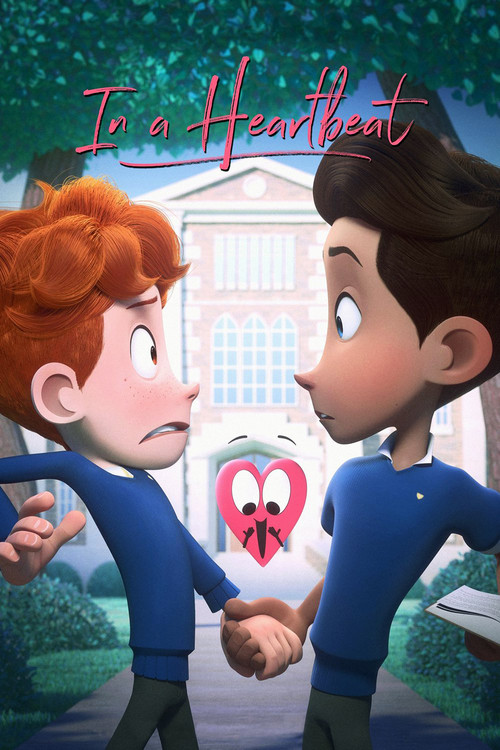
Sherwin flees, heartbroken, with one half of the heart, which has gone dark and lifeless. The hidden meaning here is that the heartbreak isn't caused by Jonathan's rejection, but by the weight of social stigma and Sherwin's own internalized fear. The twist, and the emotional core of the film, comes when Jonathan seeks Sherwin out. He has the other half of the heart. He wordlessly offers it back to Sherwin, sits next to him, and together they gently push the two halves together. The heart mends, glowing warmly once more. Jonathan doesn't just return a piece of the heart; he validates Sherwin's feelings. The final scene shows the two boys sitting side-by-side, and the light from their chests merges into a single, unified glow, signifying that Jonathan's feelings are mutual and that they have formed a new, whole connection. This ending beautifully subverts the common trope of unrequited queer love stories, opting instead for a message of hope, acceptance, and reciprocation.

Alternative Interpretations

While the film's primary interpretation is a straightforward story of a boy's crush on another boy, some viewers have offered slightly different readings. One perspective is that the entire film is a metaphor for the internal struggle of coming out. In this view, Sherwin is not just fighting his heart, but his own internalized homophobia and fear. Jonathan's acceptance at the end is not just the acceptance of a crush, but Sherwin's own self-acceptance. The external events of the film could be seen as a visual representation of the tumultuous emotional journey of acknowledging one's own identity.

Another interpretation focuses less on the LGBTQ+ aspect and more on the universal experience of social anxiety. Sherwin's fear could be read as the intense anxiety anyone feels when they have a secret they are terrified of revealing, whether it be a crush, a personal struggle, or a unique interest. The heart represents any passionate part of oneself that feels 'different' and the fear of being judged for it by peers. The resolution, in this light, is a broader message about finding the courage to be vulnerable and discovering that acceptance is possible.