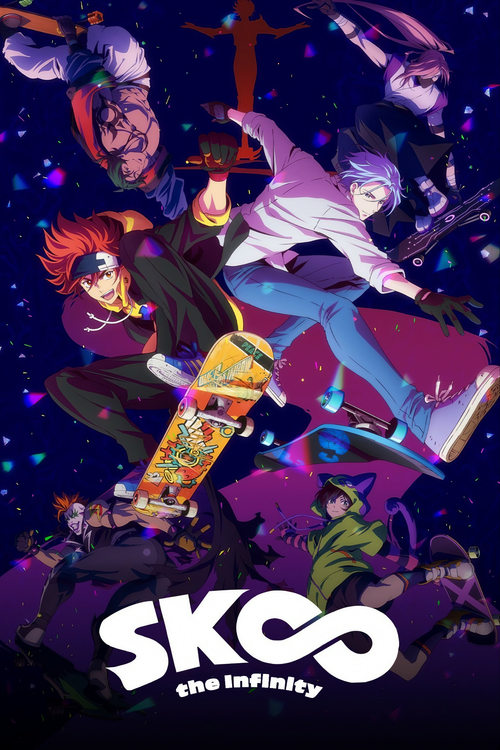
The central plot twist of SK8 the Infinity is the reveal of the main antagonist Adam's true identity: Ainosuke Shindo, a rising and respected political figure. This duality explains his obsession with the secrecy of 'S' and the immense resources at his disposal. His backstory reveals that his sadistic and love-obsessed skating persona is a direct result of a traumatic and abusive upbringing at the hands of his aunts, who punished any sign of individuality or joy, twisting his psyche to associate pain and fear with affection.
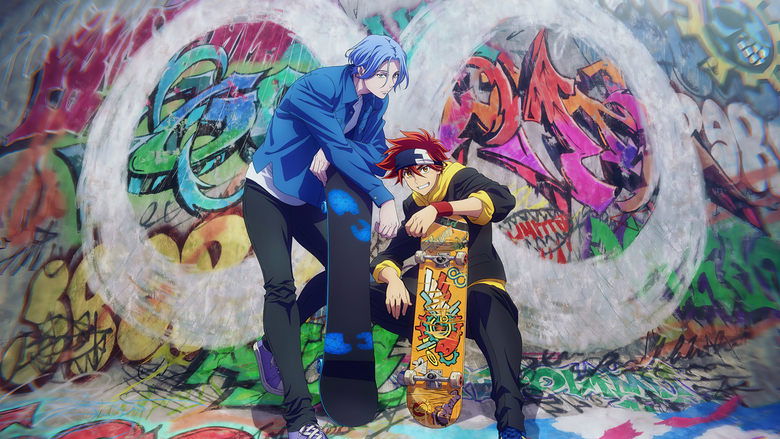
The emotional core of the series hinges on the temporary but painful falling out between Reki and Langa. Reki, the passionate skater who introduced Langa to the sport, becomes consumed by an inferiority complex as he watches the prodigy Langa surpass him with seemingly no effort. This culminates in Episode 7, where Reki declares they are no longer a good match and breaks off their friendship. This conflict is not resolved by Reki magically becoming a better skater, but by him rediscovering his own worth. In Episode 11, he races Adam not to win, but to prove to himself that he belongs, and his joyful performance, despite losing, represents his character's climax.
In the finale, Langa faces Adam. Adam's goal is to draw Langa into his twisted world of dangerous, painful 'love.' However, Langa, fueled by his reconciled friendship with Reki and the promise to 'skate infinitely,' refuses to be intimidated. He realizes that the true thrill isn't the danger, but the fun of skating with his best friend. He wins the race, and in doing so, shatters Adam's lonely worldview, reminding Adam of the simple joy of skating he once knew. The series ends not with a focus on the victory, but with Reki and Langa happily racing each other, reinforcing the theme that their shared journey is the true prize.