
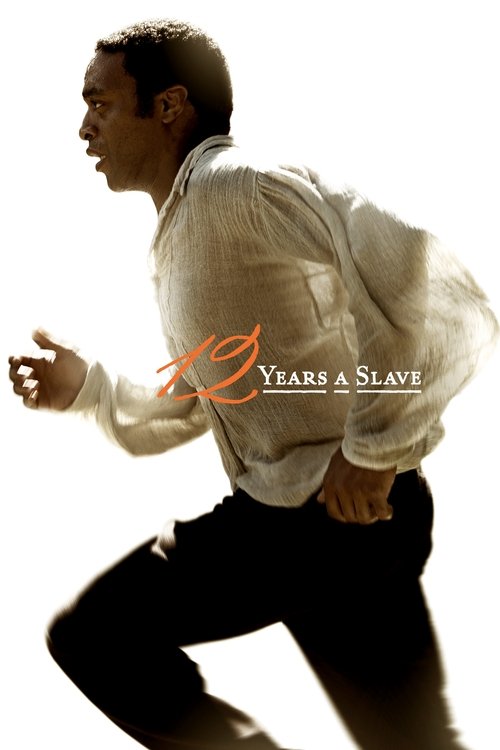
12 Years a Slave
A historical drama's unflinching gaze into the abyss of slavery, capturing the brutal descent from freedom to bondage with haunting, visceral elegance.
12 Years a Slave
12 Years a Slave

"The extraordinary true story of Solomon Northup."

18 October 2013 United Kingdom 134 min ⭐ 7.9 (11,620)
Director: Steve McQueen
Cast: Chiwetel Ejiofor, Michael Fassbender, Lupita Nyong'o, Benedict Cumberbatch, Paul Dano
Drama History
The Dehumanizing Nature of Slavery Survival and Resistance The Corruption of Morality and Religion The Fragility of Freedom and Injustice of Law
Budget: $20,000,000
Box Office: $187,000,000

12 Years a Slave - Ending Explained

⚠️ Spoiler Analysis

The narrative of "12 Years a Slave" follows a linear progression of Solomon Northup's descent into and eventual escape from slavery. After being kidnapped and sold, he is given the name "Platt" and must hide his educated background to survive. His first master, William Ford, is comparatively benevolent but ultimately sells him to the cruel Edwin Epps to settle a debt. Under Epps, Solomon endures ten years of horrific abuse and witnesses the constant torment of Patsey, a young slave whom Epps sexually exploits and his wife despises.

A key plot turn occurs when Solomon attempts to send a letter to his family via a white laborer named Armsby, who betrays him to Epps. In a tense confrontation, Solomon narrowly convinces Epps of his innocence and is forced to burn his only hope of rescue. The film's climax is the brutal whipping of Patsey, which Epps forces Solomon to initiate. This event breaks Solomon's spirit, leading him to destroy his violin, a symbol of his past life. The turning point towards his liberation comes when he meets Samuel Bass, a Canadian carpenter and abolitionist working on Epps's plantation. Solomon confides in Bass, who, at great personal risk, agrees to mail letters to Solomon's contacts in New York.

The ending sees the arrival of a sheriff and a friend from Saratoga, Henry Northup, to Epps's plantation. After a tense exchange where Epps protests losing his "property," Solomon's identity is confirmed, and he is freed. He bids a silent, emotional farewell to Patsey and the other slaves, who are left behind. He is reunited with his family in New York, who he has not seen in twelve years. His daughter is now married and has a son, his namesake. In a poignant final scene, Solomon apologizes to his family for his long absence. The film's closing text reveals that he was unable to get justice against his kidnappers and that the details of his death and burial are unknown.

Alternative Interpretations

While widely acclaimed, "12 Years a Slave" has been subject to various interpretations and critiques. One prominent discussion revolves around the concept of the "white savior." Some critics have argued that the film, by having Solomon's freedom ultimately secured by a benevolent white Canadian (Brad Pitt's character, Samuel Bass), reinforces a narrative where a white character is necessary for the salvation of a non-white protagonist. However, others counter that this is historically accurate to Solomon Northup's own account and reflects the reality of the power dynamics at the time.

Another interpretation focuses on the film's representation of resistance. Some analyses suggest that the film's focus on Solomon's individual suffering and endurance overshadows the history of collective slave resistance and revolt. The narrative is primarily one of personal survival rather than communal uprising. Additionally, comparisons between the film and the book highlight differing portrayals of certain characters. For example, Northup's memoir depicts his first master, William Ford, in a more sympathetic light than the film does, with the movie emphasizing the inherent hypocrisy of a "kind" slave owner.