
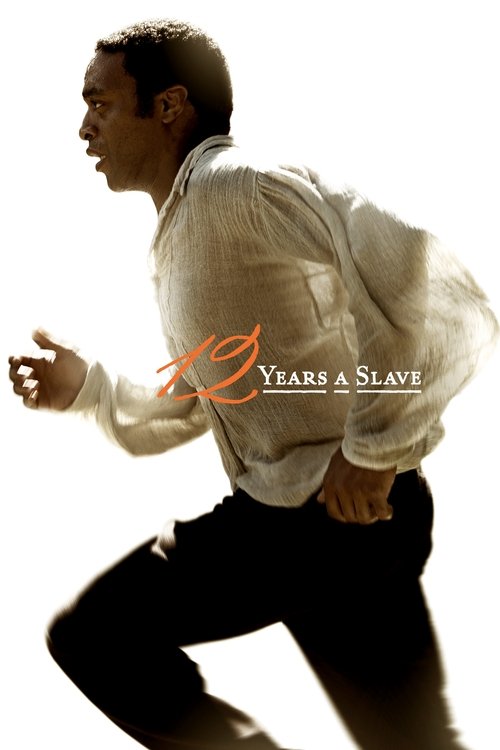
"The extraordinary true story of Solomon Northup."
12 Years a Slave - Symbolism & Philosophy
Symbols & Motifs
The Violin
The violin symbolizes Solomon's former life of freedom, artistry, and identity. It is a tangible link to his family and his status as a respected individual in his community. As his journey in slavery progresses, the violin's meaning shifts. It becomes a tool for survival, earning him small favors, but also a symbol of his subjugation, as he is forced to play for his masters' entertainment. His ultimate destruction of the violin signifies a moment of profound despair and the crushing of his spirit under the weight of his bondage.
Solomon is a skilled violinist in his life in Saratoga Springs. After being enslaved, his first master, William Ford, gifts him a violin. He carves the names of his wife and children into it. He is later forced to play for the amusement of Edwin Epps. After being forced to whip Patsey, Solomon smashes his violin against a tree in a fit of rage and grief.
The Noose / The Hanging Scene
The extended, agonizing scene where Solomon is left hanging from a tree, with his feet barely touching the ground, is a powerful symbol of the constant, casual brutality of slavery and the helplessness of the enslaved. It represents the precariousness of life for a slave, where death is always imminent. The inaction of the other slaves, who continue their chores around him out of fear, symbolizes the way the system of slavery enforced complicity and suppressed empathy as a means of survival.
After a violent confrontation with the carpenter John Tibeats, Solomon is strung up and nearly lynched. He is left hanging for hours, struggling to breathe, while life on the plantation goes on around him. The other slaves watch from a distance, unable to intervene. He is eventually cut down by his master, William Ford.
Letters and the Inability to Write
The act of writing and sending a letter represents the only hope for liberation and a connection to the outside world. Solomon's literacy is a dangerous secret, as it defies the dehumanizing stereotype of a slave. His repeated, failed attempts to send a letter symbolize the immense difficulty of escaping slavery and the profound isolation of the enslaved. The eventual successful delivery of a letter is the key that unlocks his freedom.
Solomon attempts to secure his freedom by sending a letter to his family in New York. His first attempt is with a white field hand named Armsby, who betrays him to Epps. Fearing for his life, Solomon is forced to burn the letter. Years later, he confides in a Canadian carpenter, Samuel Bass, who agrees to mail letters for him, ultimately leading to his rescue.
Philosophical Questions
What is the nature of humanity in the face of absolute power and suffering?
The film delves into the psychological effects of the master-slave dynamic on both the oppressed and the oppressor. It questions whether inherent goodness can survive in a system designed to crush it. Solomon's struggle to maintain his dignity and identity explores the resilience of the human spirit. Conversely, the character of Edwin Epps illustrates how absolute power can corrupt and brutalize, seemingly erasing empathy and fostering sadism. The film asks what it means to be human when society denies one's humanity and how individuals respond to extreme, systemic cruelty.
Where is the line between law and morality?
"12 Years a Slave" powerfully illustrates the chasm that can exist between what is legal and what is morally right. The institution of slavery was protected by law, yet was a profound moral abomination. Characters like Epps use the law and a perverted sense of religious sanction to justify their horrific actions. The film forces the audience to confront the idea that legality is not a reliable measure of justice and that individuals have a moral responsibility to challenge unjust laws, as exemplified by the abolitionist character, Samuel Bass.
How does hope function in a seemingly hopeless situation?
The film is a profound meditation on the role of hope in survival. Solomon's hope for reunion with his family is the central force that keeps him from succumbing to despair. However, the film also explores the darker side of hope through Patsey, whose hope is so thoroughly extinguished by her relentless torment that she seeks death as her only release. The film poses the question of what allows hope to endure in some and be destroyed in others, and whether survival is possible without it.
Core Meaning
The core meaning of "12 Years a Slave" is to present an uncompromising and authentic depiction of the brutality of American slavery, stripping away romanticized notions of the Old South. Director Steve McQueen sought to immerse the audience in the visceral, day-to-day reality of bondage, making the historical atrocity a palpable and personal experience rather than a distant concept. The film's message is a powerful indictment of a system that dehumanized not only the enslaved but also the enslavers, corrupting the morality of all who participated in it. It serves as a stark reminder of the resilience of the human spirit in the face of unimaginable cruelty and the enduring hope for freedom and dignity.