The film's climax occurs on April 25, 1945, Liberation Day. After the brutal fascist manager Attila and his wife Regina are captured and executed by the vengeful peasants, a worker's tribunal is held to judge Alfredo. Olmo acts as both the accuser and the savior; he sentences the 'padrone' to death but then declares that the 'padrone' is already dead as a social entity, thus sparing his friend's life. The hidden meaning of the ending is revealed when the film jumps to the future: the elderly Alfredo and Olmo are still bickering and fighting. Alfredo lies down on the train tracks just as he did as a boy, and a train passes over him. This final shot suggests that while individual men die, the roles they play in the machine of history are eternal and unchanging.
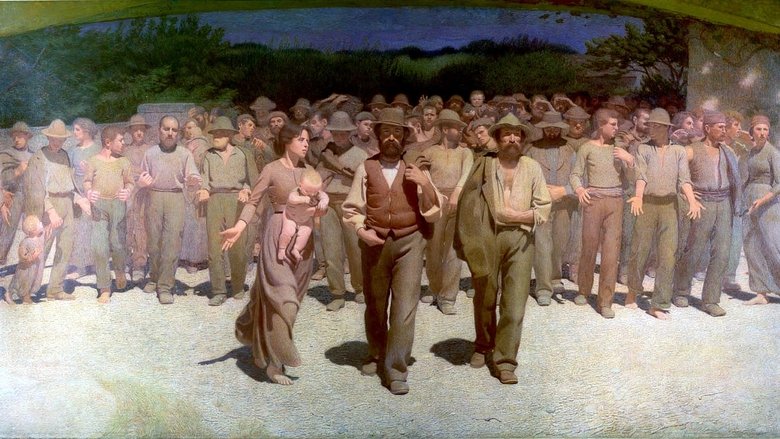
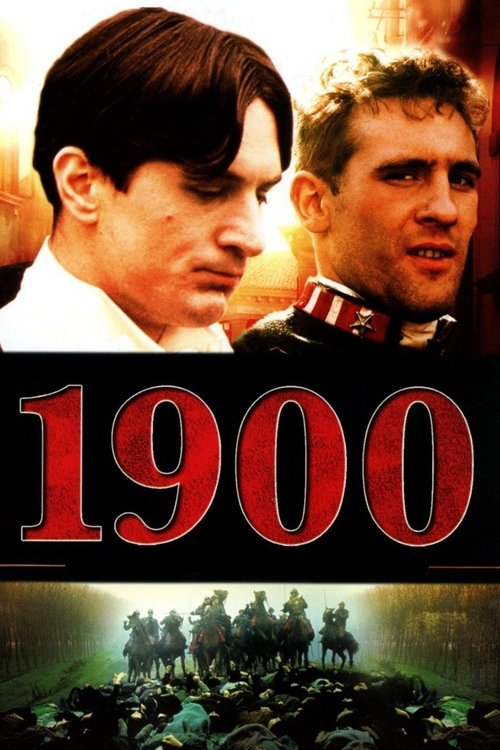
Novecento
"From the cradle to the grave - victims of history and change!"
Director: Bernardo Bertolucci
Cast: Robert De Niro, Gérard Depardieu, Dominique Sanda, Stefania Sandrelli, Donald Sutherland
1900 — Ending Explained
⚠️ Spoiler Analysis
Alternative Interpretations
One prevalent interpretation of the ending—where the elderly Alfredo and Olmo scuffle in the dirt—suggests that the revolution was ultimately performative. While the 'padrone' is declared dead, the class system persists in a new form, and the two men are doomed to repeat their conflict for eternity. Another reading posits that the film is actually more about psychoanalysis than politics, with the characters representing different facets of Bertolucci's own internal struggle between his bourgeois upbringing and his Marxist ideals. Some critics also argue that the character of Attila is not a realistic depiction of a fascist, but a psychological manifestation of 'pure evil' meant to heighten the film's mythic qualities.
Explore More About This Movie
Dive deeper into specific aspects of the movie with our detailed analysis pages