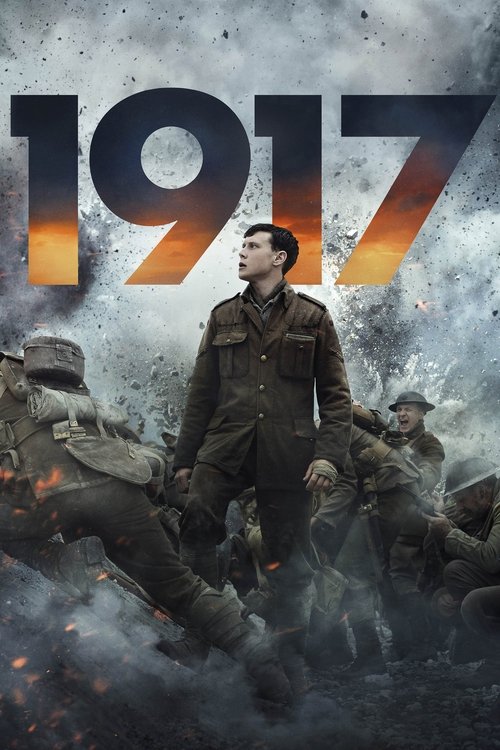
The central plot of "1917" follows Lance Corporals Schofield and Blake on a mission to deliver a message to call off an attack. A major turning point occurs early in the film when the two soldiers rescue a downed German pilot from his burning plane. As Schofield gets water, the pilot unexpectedly stabs Blake, who dies in Schofield's arms after making him promise to complete the mission. This shocking death shifts the entire emotional weight of the film onto Schofield, transforming the mission from one of duty and friendship into a solemn vow.
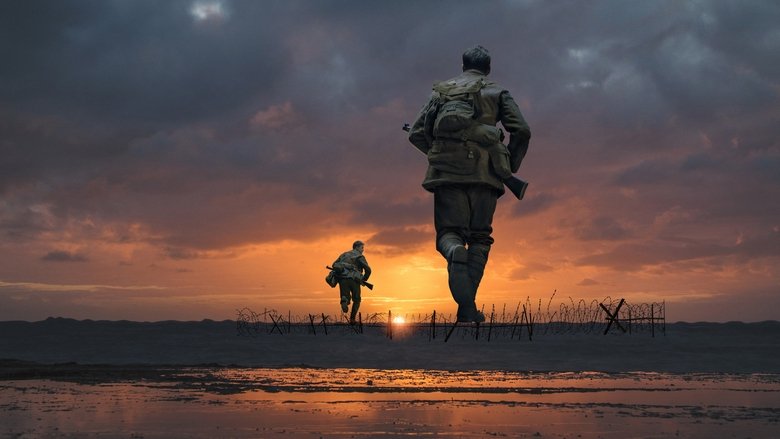
Schofield continues alone, facing numerous ordeals, including being shot by a sniper, escaping a German-occupied town, and nearly drowning in a river. He eventually reaches the 2nd Devons just as the first wave of the attack begins. In the film's climax, Schofield is forced to climb out of the crowded trenches and sprint across the active battlefield, parallel to the charging soldiers, to reach Colonel Mackenzie's dugout in time. He delivers the message, and a reluctant Mackenzie finally calls off the attack.
After confirming the attack is halted, Schofield finds Blake's brother, Lieutenant Joseph Blake, and informs him of Tom's death, passing along his rings and dog tags. In the film's final moments, Schofield sits under a tree, finally at rest. He pulls out a hidden photograph of his wife and two young daughters, with the inscription "Come back to us." This reveal recontextualizes his entire journey; his initial weariness and his ultimate perseverance were driven not just by a soldier's duty, but by the deep, unspoken hope of returning to his family. The ending shot mirrors the opening, but the man is now forever changed by his journey and loss.