"Time is the enemy."
1917 - Symbolism & Philosophy
Symbols & Motifs
Cherry Blossoms/Trees
The cherry trees symbolize life, hope, and resilience in the face of destruction. Blake’s story about his mother’s cherry orchard, and his belief that chopping one down just makes more grow, serves as a metaphor for the endurance of life even when cut down by war.
Schofield and Blake encounter a destroyed cherry orchard after escaping the German trenches. Blake remarks that the trees will grow back stronger. Later, as Schofield floats down the river near death, cherry blossom petals fall around him, signaling a moment of rebirth or peace before he continues his mission.
Milk
The milk symbolizes life, innocence, and a connection to a world outside the war. It represents nurture and the fundamental goodness that Schofield is fighting to preserve, a stark contrast to the death and decay surrounding him.
Schofield finds a pail of fresh milk in an abandoned farmhouse. He later gives this milk to a starving French woman to feed an orphaned baby she is caring for. This act is one of the film's purest moments of selfless humanity.
The River
The river symbolizes both a path to potential death and a form of cleansing or baptismal rebirth. For Schofield, plunging into the river is an act of desperation, but emerging from it marks a transition and the final, determined leg of his journey.
To escape a German soldier in Écoust, Schofield leaps into a raging river. He is swept through rapids and over a waterfall, nearly drowning amidst floating corpses, before washing ashore near the forest where the 2nd Devons are located.
The Photograph
The photograph of Schofield's wife and daughters, with the inscription "Come back to us," symbolizes his ultimate motivation and the life he has waiting for him. It represents hope, love, and the personal stakes of his survival, which he keeps hidden until the very end.
The final shot of the film shows Schofield resting under a tree, mirroring the opening scene. He pulls out the photograph of his family, finally allowing himself a moment to connect with what he's fighting for now that his mission is complete.
Philosophical Questions
Does individual action have meaning in the face of overwhelming, impersonal conflict?
The film explores this question through Schofield's mission. While the war itself is a massive, seemingly unstoppable force of destruction, his personal journey to save 1,600 men becomes a focal point of meaning. The film suggests that while one person cannot stop the war, acts of individual courage, loyalty, and sacrifice are what preserve humanity. The mission's success doesn't end the war, but it affirms the value of the individual lives saved, posing a challenge to the nihilism that such a large-scale conflict can induce.
What is the true nature of heroism?
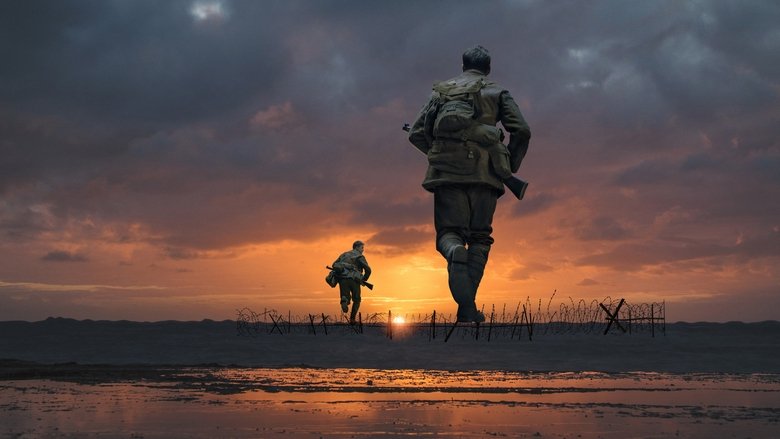
"1917" deconstructs the traditional war hero archetype. Schofield is not a gung-ho patriot; he is a tired, cynical survivor who even traded a medal for a bottle of wine. His heroism is reluctant and born of necessity and a promise to a friend. The film portrays heroism not as a thirst for glory but as the endurance of unimaginable hardship for a greater good. The most heroic acts, like Schofield's final, desperate sprint across the battlefield, are presented as terrifying and selfless rather than glorious.
Can an anti-war film avoid glorifying war?
This is a central dilemma for the genre. While "1917" vividly depicts the horrors of war—the gore, the fear, the futility—its thrilling cinematic technique and the heroic arc of its protagonist can be perceived as inherently exciting. The film grapples with this by focusing on the psychological and physical toll on individuals rather than battlefield triumphs. The 'victories' are surviving another moment or saving lives, not defeating an enemy. By stripping away the typical narrative of glory, it attempts to present the experience of war as a trauma to be endured, not a conflict to be won, though some viewers may still find the spectacle itself exhilarating.
Core Meaning
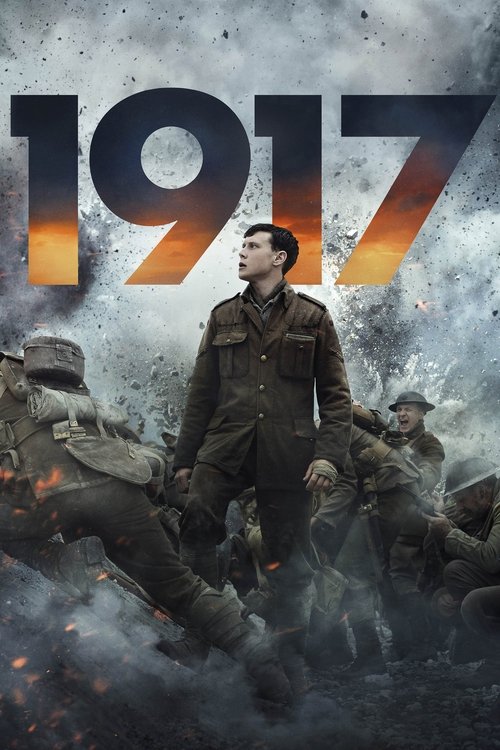
The core meaning of "1917" revolves around the profound human cost of war, juxtaposing the immense, impersonal machinery of conflict with the deeply personal sacrifices of individuals. Director Sam Mendes, inspired by stories from his grandfather, aimed to capture the visceral, moment-to-moment reality of a soldier's experience. The film argues that amidst the futility and senseless slaughter, acts of courage, duty, and keeping a promise to a friend become the ultimate sources of meaning. It's less a commentary on the grand strategies of war and more an intimate exploration of endurance, resilience, and the sheer will to live, not for glory, but for the sake of others and the hope of returning home. The film questions the nature of heroism, suggesting it's found not in medals or accolades but in the quiet perseverance against overwhelming odds.