31 Minutos - Symbolism & Philosophy
Symbols & Motifs
The News Desk
The news desk symbolizes the facade of authority and professionalism that the media often projects. It is the central point from which Tulio Triviño attempts to control the chaotic narrative of the show. The desk represents a thin veneer of order that is constantly being threatened and ultimately broken down by the absurdity and incompetence of the news team, mirroring the show's critique of the media's often-tenuous grasp on reality.
The news desk is the primary set piece for the majority of the series. It is where Tulio delivers his opening and closing remarks, and where much of the on-air chaos erupts. The physical destruction or misuse of the desk in various episodes serves as a visual metaphor for the breakdown of journalistic integrity and order.
Juan Carlos Bodoque's Gambling Addiction
Juan Carlos Bodoque's compulsive betting on horse races symbolizes the allure of instant gratification and the dangers of addiction. It also serves as a source of comedic conflict and a representation of human fallibility. Despite his intelligence and journalistic integrity in "La Nota Verde," his gambling addiction often leads him to make poor decisions, highlighting the complex and contradictory nature of individuals.
Bodoque's gambling is a recurring character trait throughout the series. It is frequently the cause of his financial troubles and the catalyst for various plotlines where he is in debt or trying to win big. His frantic calls to his bookie and his despair over losing bets are a running gag in the show.
The "Ranking Top"
Policarpo Avendaño's musical countdown segment, the "Ranking Top," symbolizes the often-frivolous and trend-driven nature of popular culture and entertainment news. The songs featured are parodies of various musical genres and often contain satirical lyrics that comment on social trends. The segment itself is a playful critique of how music and entertainment are packaged and consumed by the media.
The "Ranking Top" is a regular segment in almost every episode of "31 Minutos." It features original songs performed by puppet characters, which have become a hallmark of the series and have led to successful real-life albums and concerts.
Philosophical Questions
What is the nature of truth in a media-saturated world?
The series constantly plays with the idea of journalistic truth. While the news team of "31 Minutos" is ostensibly supposed to report the facts, they are often more concerned with their own egos, personal problems, and a desire for entertainment. The show's absurd and often entirely fabricated news stories force the viewer to question the reliability of the information they consume from media sources. The rare moments of genuine reporting, usually from Juan Carlos Bodoque's "La Nota Verde," stand in stark contrast to the rest of the program, highlighting the scarcity of authentic information in a landscape dominated by infotainment and sensationalism.
Can humor be an effective tool for social and political critique?
"31 Minutos" is a masterclass in using humor to address serious issues. By packaging its critique of the media, environmental irresponsibility, and social inequality in a funny and accessible format, the show is able to engage a wide audience, including children, in conversations about complex topics. The series demonstrates that satire can be a powerful and disarming way to challenge authority and question societal norms without being preachy or didactic. The laughter it provokes creates a space for critical reflection.
Core Meaning
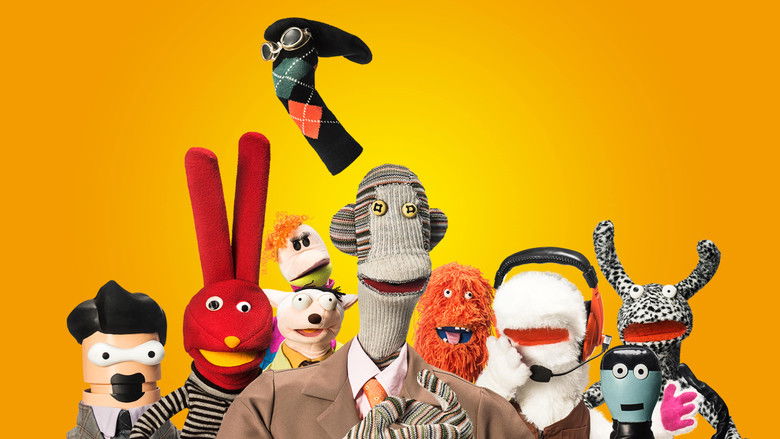
At its core, "31 Minutos" is a brilliant satire of television news and, by extension, contemporary society. The creators, Álvaro Díaz and Pedro Peirano, wanted to make a children's program that they themselves would have enjoyed as kids, one that didn't underestimate its audience's intelligence. Through the antics of its puppet cast, the series critiques the superficiality, sensationalism, and often the sheer absurdity of modern media. Tulio Triviño's vanity and ignorance serve as a commentary on vacuous news anchors, while Juan Carlos Bodoque's moments of journalistic integrity in "La Nota Verde" highlight the importance of substantive reporting, especially on environmental issues.
The show carries a message of media literacy, encouraging viewers to question what they see on screen. It subtly teaches critical thinking by presenting a news team that is flawed, biased, and often hilariously incompetent. Beyond its critique of the media, "31 Minutos" champions empathy, friendship, and the importance of addressing complex social issues—such as environmentalism, consumerism, and children's rights—in an accessible and engaging manner. Ultimately, the series suggests that behind the chaotic facade of modern life and media, there is a deep-seated need for genuine connection and a more critical, compassionate understanding of the world.