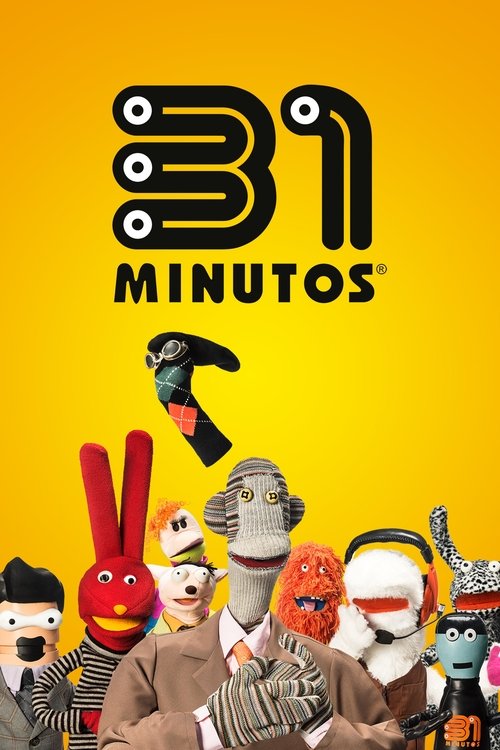
31 Minutos
Overview
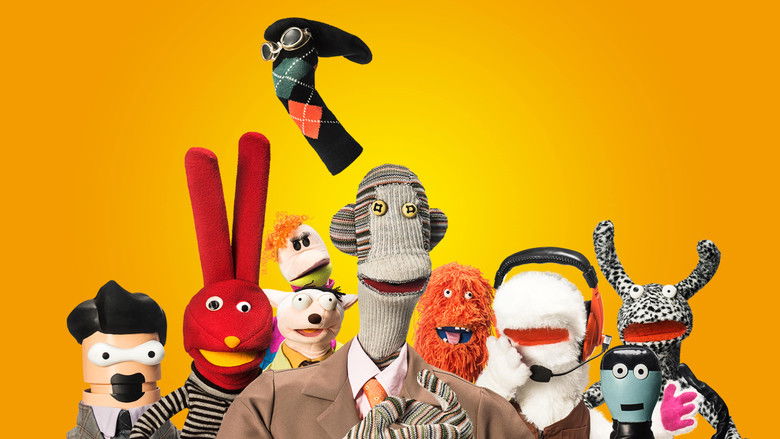
"31 Minutos" is a Chilean television series that presents itself as a chaotic and often dysfunctional news program hosted by puppets. The show is anchored by the self-centered and ignorant Tulio Triviño, with his best friend, the gambling-addicted but sharp journalist Juan Carlos Bodoque, handling the environmental segment, "La Nota Verde." The day-to-day operations are managed by the diligent and often stressed-out producer, Juanín Juan Harry, the last of his species. Each episode follows the news team's hilarious and haphazard attempts to put on a professional broadcast, which inevitably goes off the rails due to the larger-than-life personalities of its puppet cast.
Across its four seasons, the series evolves from a simple parody of news programs into a character-driven comedy with a strong emphasis on music and social commentary. The show introduces a host of recurring characters, including the entertainment reporter Policarpo Avendaño, the lovelorn reporter Mario Hugo, and the superhero of children's rights, Calcetín con Rombos Man. While each episode is largely self-contained, overarching themes and character relationships develop throughout the series, creating a rich and endearing world. The show's clever writing appeals to both children and adults, with humor that operates on multiple levels.
The series also spawned a successful feature film in 2008, which saw the news team embark on an adventure to rescue Juanín, further cementing the bonds between the characters. After a hiatus, the show returned for a fourth season in 2014, continuing its tradition of witty satire, catchy songs, and heartfelt moments. "31 Minutos" has had a significant cultural impact in Latin America and beyond, transitioning from a beloved television show to a popular live musical act.
Core Meaning
At its core, "31 Minutos" is a brilliant satire of television news and, by extension, contemporary society. The creators, Álvaro Díaz and Pedro Peirano, wanted to make a children's program that they themselves would have enjoyed as kids, one that didn't underestimate its audience's intelligence. Through the antics of its puppet cast, the series critiques the superficiality, sensationalism, and often the sheer absurdity of modern media. Tulio Triviño's vanity and ignorance serve as a commentary on vacuous news anchors, while Juan Carlos Bodoque's moments of journalistic integrity in "La Nota Verde" highlight the importance of substantive reporting, especially on environmental issues.
The show carries a message of media literacy, encouraging viewers to question what they see on screen. It subtly teaches critical thinking by presenting a news team that is flawed, biased, and often hilariously incompetent. Beyond its critique of the media, "31 Minutos" champions empathy, friendship, and the importance of addressing complex social issues—such as environmentalism, consumerism, and children's rights—in an accessible and engaging manner. Ultimately, the series suggests that behind the chaotic facade of modern life and media, there is a deep-seated need for genuine connection and a more critical, compassionate understanding of the world.
Thematic DNA
Media Satire and Critique
The entire premise of "31 Minutos" is a parody of television news programs, specifically the Chilean news show "60 Minutos" which was known for its lack of credibility during the Pinochet dictatorship. The series consistently satirizes the tropes of news broadcasting: the egotistical anchor (Tulio), the sensationalized reports, the often-frivolous entertainment segments, and the general chaos that happens behind the scenes. This theme is evident in every episode through the news team's constant failures to maintain a professional broadcast, highlighting the absurdity and often the manufactured nature of television news.
Environmentalism
A cornerstone of the show is Juan Carlos Bodoque's segment, "La Nota Verde" (The Green Note). This recurring feature addresses serious environmental issues in a way that is understandable and engaging for a young audience. Bodoque travels throughout Chile to report on topics like pollution, conservation, and the importance of biodiversity. The segment treats its subject matter with genuine concern, offering a stark contrast to the often-trivial news covered in the rest of the program. This theme underscores the creators' commitment to using the platform for education and social awareness.
Friendship and Loyalty
Despite the constant bickering, professional jealousy, and general incompetence, a strong sense of friendship and loyalty underpins the relationships between the characters. The dynamic between the arrogant Tulio and the more cynical Bodoque is a central element of the show. While they often clash, they are ultimately best friends. The entire team's unwavering dedication to the perpetually stressed but indispensable producer, Juanín, is a recurring plot point. The 2008 film revolves entirely around the team's quest to rescue Juanín, showcasing the depth of their bond and their willingness to overcome their personal failings for a friend.
Social Commentary and Children's Rights
"31 Minutos" frequently delves into social commentary, using its puppet characters to explore complex issues. The superhero character, "Calcetín con Rombos Man" (Rhombus-Patterned Sock Man), explicitly teaches children about their rights in his segment. Beyond this, the show subtly critiques consumerism, bureaucracy, and social inequality through its various sketches and musical numbers. The series respects its young audience by not shying away from important topics, instead presenting them with intelligence and humor.
Character Analysis
Tulio Triviño
Pedro Peirano
Motivation
Tulio's primary motivation is the maintenance and enhancement of his own fame and public image. He craves adulation and is terrified of looking foolish on camera. However, a secondary and more deeply buried motivation is his desire for the camaraderie and sense of belonging he gets from being part of the dysfunctional "31 Minutos" family. This is most evident when the show or his friends are threatened.
Character Arc
Tulio begins the series as a vain, ignorant, and self-absorbed news anchor, primarily concerned with his own fame and appearance. Throughout the series, while he largely retains these core traits for comedic effect, he also demonstrates moments of genuine affection and loyalty towards his friends, particularly Juan Carlos Bodoque and Juanín. His arc is less about a dramatic transformation and more about the gradual revelation of a heart beneath his narcissistic exterior. In the movie, his decision to risk everything to save Juanín marks a significant point in his development, showcasing his capacity for selflessness. In the later seasons, he becomes slightly more aware of his own shortcomings, though he still struggles with his ego.
Juan Carlos Bodoque
Álvaro Díaz
Motivation
Bodoque is motivated by a genuine passion for environmentalism and a desire to expose the truth, as seen in "La Nota Verde." However, he is also powerfully driven by his addiction to gambling and his pursuit of wealth and excitement. This dual motivation is the source of much of the comedy and pathos associated with his character.
Character Arc
Juan Carlos Bodoque is presented as the most intelligent and journalistically competent member of the news team, especially in his environmental reports. His arc is a continuous struggle between his better nature and his personal demons, most notably his gambling addiction. Throughout the series, he grapples with the consequences of his impulsive behavior, often finding himself in trouble. However, he also consistently demonstrates a strong moral compass when it comes to environmental issues and social justice. His character doesn't undergo a radical change but rather a deepening of this internal conflict, making him one of the most complex and relatable characters. He remains a cynical but ultimately well-intentioned figure who uses his platform for good, despite his personal failings.
Juanín Juan Harry
Rodrigo Salinas
Motivation
Juanín's primary motivation is his deep love for his job and his unwavering dedication to the "31 Minutos" news program. He is passionate about producing a good show and is often the only one who seems to care about journalistic standards and professionalism. He is also motivated by his affection for his colleagues, despite the trouble they cause him.
Character Arc
Juanín starts as the perpetually stressed and overworked producer, the unsung hero who keeps the show from completely falling apart. His arc is one of gaining confidence and learning to assert himself amidst the chaos created by his more eccentric colleagues. Initially, he is often a victim of circumstance, but as the series progresses, he becomes more vocal in his frustrations and more willing to stand up for himself. The movie, where he is the central figure who needs rescuing, solidifies his importance to the team and strengthens his bonds with them. He remains the emotional core of the show, representing diligence, loyalty, and the anxieties of the average working person.
Symbols & Motifs
The News Desk
The news desk symbolizes the facade of authority and professionalism that the media often projects. It is the central point from which Tulio Triviño attempts to control the chaotic narrative of the show. The desk represents a thin veneer of order that is constantly being threatened and ultimately broken down by the absurdity and incompetence of the news team, mirroring the show's critique of the media's often-tenuous grasp on reality.
The news desk is the primary set piece for the majority of the series. It is where Tulio delivers his opening and closing remarks, and where much of the on-air chaos erupts. The physical destruction or misuse of the desk in various episodes serves as a visual metaphor for the breakdown of journalistic integrity and order.
Juan Carlos Bodoque's Gambling Addiction
Juan Carlos Bodoque's compulsive betting on horse races symbolizes the allure of instant gratification and the dangers of addiction. It also serves as a source of comedic conflict and a representation of human fallibility. Despite his intelligence and journalistic integrity in "La Nota Verde," his gambling addiction often leads him to make poor decisions, highlighting the complex and contradictory nature of individuals.
Bodoque's gambling is a recurring character trait throughout the series. It is frequently the cause of his financial troubles and the catalyst for various plotlines where he is in debt or trying to win big. His frantic calls to his bookie and his despair over losing bets are a running gag in the show.
The "Ranking Top"
Policarpo Avendaño's musical countdown segment, the "Ranking Top," symbolizes the often-frivolous and trend-driven nature of popular culture and entertainment news. The songs featured are parodies of various musical genres and often contain satirical lyrics that comment on social trends. The segment itself is a playful critique of how music and entertainment are packaged and consumed by the media.
The "Ranking Top" is a regular segment in almost every episode of "31 Minutos." It features original songs performed by puppet characters, which have become a hallmark of the series and have led to successful real-life albums and concerts.
Memorable Quotes
Yo nunca vi televisión, porque es muy fome.
— Tulio Triviño
Context:
This is the opening line of the theme song, "Yo Nunca Vi Televisión," which is featured in every episode of the first season. The song goes on to describe the character's newfound obsession with TV after finally watching it.
Meaning:
This iconic line, which translates to "I never watched television, because it's very boring," is from the show's theme song. It's deeply ironic given that it's the opening to a television show, immediately establishing the series' satirical tone and its playful critique of the medium itself.
¡Tulio, estamos al aire!
— Juanín Juan Harry
Context:
Juanín shouts this line in nearly every episode, usually at the beginning of the broadcast when Tulio is distracted, complaining, or otherwise not ready to be on camera. It's a running gag that highlights the show's chaotic nature.
Meaning:
Translating to "Tulio, we're on the air!," this is Juanín's recurring, frantic catchphrase. It encapsulates the constant state of chaos at the news station and Tulio's frequent unpreparedness. It's a comedic representation of the pressures of live television and has become a widely recognized phrase in Chilean pop culture.
No me digas, Policarpo.
— Tulio Triviño
Context:
Tulio says this in many episodes as Policarpo is about to present the "Ranking Top." It's a predictable but funny interaction that fans of the show have come to expect and appreciate.
Meaning:
"Don't tell me, Policarpo." This is Tulio's dismissive and often-repeated response to Policarpo Avendaño's enthusiastic introductions to the "Ranking Top" music segment. It reflects Tulio's general disinterest in anything that doesn't directly involve him and serves as a comedic beat that underscores his self-centered personality.
Episode Highlights
El Comienzo (The Beginning)
The inaugural episode introduces the chaotic world of the "31 Minutos" newsroom. It establishes the main characters and the show's satirical premise. The episode sets the tone for the rest of the series, with Tulio's vanity, Bodoque's cynicism, and Juanín's stress all on full display from the very beginning. It also features the first "Nota Verde" and "Ranking Top" segments.
This episode is crucial as it lays the foundation for the entire series. It successfully introduces the core concepts and comedic dynamics that would make "31 Minutos" a cultural phenomenon. It's the perfect entry point for new viewers and establishes the show's unique blend of humor and social commentary.
Japonés (Japanese)
The news station is bought by Japanese investors who implement a series of bizarre and stereotypical changes to the format, much to the confusion and frustration of the staff. The episode is a hilarious satire of corporate takeovers and cultural misunderstandings. Calcetín con Rombos Man is even fired for defeating a Godzilla-like monster.
This episode is a fan favorite and is often cited as one of the show's best. It's a prime example of "31 Minutos" at its most absurd and satirical, using the premise of a corporate buyout to lampoon cultural stereotypes and the often-illogical decisions made by media executives. The eventual sale of the channel to the Boy Scouts is a perfectly nonsensical conclusion.
Fiesta en la casa de Juanín (Party at Juanín's House)
Juanín throws a party at his house, and the entire cast of the show attends. The episode explores the characters' personal lives and relationships outside of the newsroom. Various romantic entanglements and comedic mishaps ensue, including Rosario Central's relentless pursuit of Tulio and Bodoque's attempts to juggle multiple girlfriends.
This episode is significant for its focus on character development and interpersonal relationships. It provides a deeper look into the lives of the puppets, making them more relatable and endearing. The episode's chaotic party atmosphere is a perfect vehicle for exploring the characters' personalities and quirks in a different setting.
La Gran Gala de Titirilquén (The Great Gala of Titirilquén)
The final episode of the fourth season sees the "31 Minutos" team attending a glamorous awards ceremony in their hometown of Titirilquén. The episode is a celebration of the show's history, featuring numerous callbacks and appearances by recurring characters. It serves as a fitting and festive conclusion to the season and, to date, the series.
As the last episode of the most recent season, it functions as a de facto series finale. It's a heartwarming and funny episode that pays tribute to the show's legacy and its beloved characters. The gala setting allows for a grand and celebratory tone, providing a sense of closure for longtime fans.
Philosophical Questions
What is the nature of truth in a media-saturated world?
The series constantly plays with the idea of journalistic truth. While the news team of "31 Minutos" is ostensibly supposed to report the facts, they are often more concerned with their own egos, personal problems, and a desire for entertainment. The show's absurd and often entirely fabricated news stories force the viewer to question the reliability of the information they consume from media sources. The rare moments of genuine reporting, usually from Juan Carlos Bodoque's "La Nota Verde," stand in stark contrast to the rest of the program, highlighting the scarcity of authentic information in a landscape dominated by infotainment and sensationalism.
Can humor be an effective tool for social and political critique?
"31 Minutos" is a masterclass in using humor to address serious issues. By packaging its critique of the media, environmental irresponsibility, and social inequality in a funny and accessible format, the show is able to engage a wide audience, including children, in conversations about complex topics. The series demonstrates that satire can be a powerful and disarming way to challenge authority and question societal norms without being preachy or didactic. The laughter it provokes creates a space for critical reflection.
Alternative Interpretations
While "31 Minutos" is primarily seen as a satirical children's show, some critics and viewers have offered alternative interpretations of its themes and characters. One perspective is that the chaotic and dysfunctional newsroom is a metaphor for the state of Chilean society in the early 2000s, as it was still grappling with the legacy of the dictatorship and navigating a transition to democracy. The characters' incompetence and their constant struggle to maintain a semblance of order can be seen as a reflection of the country's own anxieties and uncertainties during this period.
Another interpretation focuses on the show's underlying existential themes. The characters, despite being puppets, often grapple with feelings of inadequacy, professional frustration, and the search for meaning in a seemingly absurd world. Juan Carlos Bodoque's gambling addiction, for example, can be viewed as a manifestation of a deeper existential emptiness. From this perspective, the show is not just a media satire but a poignant exploration of the human (or puppet) condition, albeit one presented with a great deal of humor and absurdity.
Cultural Impact
"31 Minutos" is widely regarded as a landmark in Chilean and Latin American television. Created in the post-dictatorship era, the show's satirical take on a state-controlled news program resonated deeply with a generation that had grown up with censored media. Its ability to tackle complex social and political issues with humor and intelligence made it a crossover hit, beloved by both children and adults. The series is credited with revitalizing the art of puppetry in Chile and has been praised for its high production values and clever writing.
The show's influence extends beyond television. The original songs from the "Ranking Top" segment became massive hits, leading to the release of several successful albums and turning "31 Minutos" into a popular live-touring musical act that has performed in major venues across Latin America. The characters, particularly Tulio Triviño and Juan Carlos Bodoque, have become cultural icons in Chile. The show's catchphrases have entered the popular lexicon, and its sharp but affectionate critique of Chilean society has left a lasting mark on the country's cultural landscape. The series has been broadcast in numerous countries and has been the subject of academic study for its innovative approach to children's programming and its effective use of satire.
Audience Reception
"31 Minutos" received universal acclaim from both critics and audiences upon its debut and has maintained its popularity throughout its run. Initially conceived as a children's show, it quickly found a devoted following among adults who appreciated its clever writing, sharp satire, and sophisticated humor. The first season saw a steady increase in ratings as word of mouth spread. The subsequent seasons were met with high expectations and were generally well-received, with fans praising the introduction of new characters and the continued quality of the songwriting.
The show's musical segments were particularly popular, and the release of the first album was a major commercial success. The decision to take the show on the road as a live musical act was met with enormous enthusiasm, with concerts selling out in Chile and other Latin American countries. While there have been no major controversies surrounding the series, the long hiatus between the third and fourth seasons left fans clamoring for more. The return of the show in 2014 was a major television event in Chile and was celebrated by a generation of viewers who had grown up with the program. Overall, "31 Minutos" is considered a national treasure in Chile and a beloved classic of Latin American television.
Interesting Facts
- The show's name, '31 Minutos,' is a playful jab at the contest rules that funded its pilot episode, which required submissions to be at most 30 minutes long. The creators added an extra minute to be 'irreverent.'
- The series was created by journalists Álvaro Díaz and Pedro Peirano, who met at the University of Chile and shared a similar sense of humor.
- The show's music, composed primarily by Pablo Ilabaca of the band Chancho en Piedra, has been incredibly successful, leading to multiple albums and sold-out concerts.
- The character of Tulio Triviño was initially conceived as a parody of Bernardo de la Maza, a well-known Chilean news anchor.
- The show has gained a significant following in Mexico, where it has been broadcast on public television and has performed numerous live shows.
- A feature film, "31 Minutos, la película," was released in 2008 and was, at the time, the most expensive Chilean film ever made.
- The character of Patana was added to the show at the request of the network, TVN, which wanted a stable female character in the main cast.
Easter Eggs
The show is a parody of the Chilean news program "60 Minutos," which was the official state news broadcast during the military dictatorship of Augusto Pinochet and was widely seen as government propaganda.
This is the central satirical premise of the show. By parodying a news program associated with a dark period in Chilean history, "31 Minutos" engages in a subtle but powerful form of political and media critique that would be resonant with adult Chilean viewers who lived through that era.
Many of the puppet characters are named after or are parodies of real Chilean television personalities and public figures.
This adds another layer of satire for Chilean audiences, who would recognize the references and appreciate the clever ways in which the show lampoons local media culture. It's a form of in-joke that rewards viewers with a deeper understanding of the Chilean cultural landscape.
The songs in the "Ranking Top" segment often parody famous musical artists and genres.
This not only adds to the comedic value of the show but also demonstrates the creators' deep knowledge and love of music. The parodies are often so well-executed that they become beloved songs in their own right, showcasing the musical talent behind the series.
⚠️ Spoiler Analysis
Click to reveal detailed analysis with spoilers
Frequently Asked Questions
Explore More About This Movie
Dive deeper into specific aspects of the movie with our detailed analysis pages
Comments (0)
No comments yet. Be the first to share your thoughts!