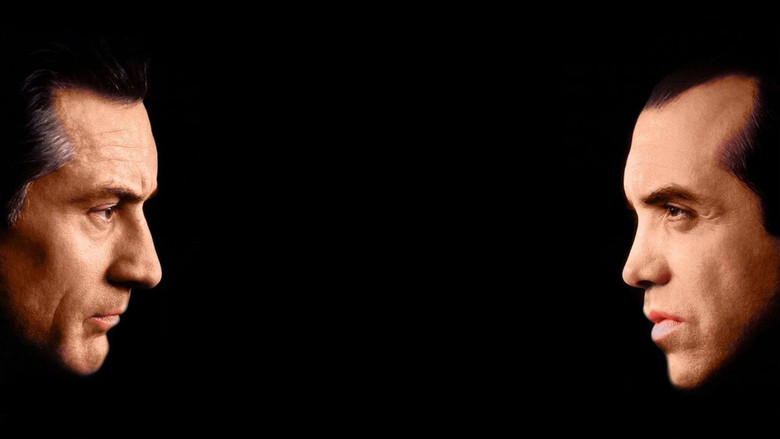
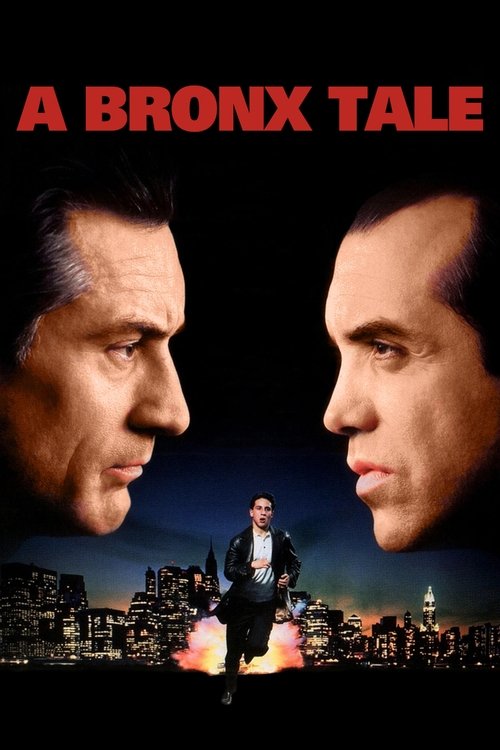
"A Bronx Tale"'s narrative hinges on key moments of violence and choice that shape Calogero's life. The inciting incident is nine-year-old Calogero witnessing Sonny murder a man over a parking dispute and then lying to the police to protect him. This single act indebts Sonny to him and sets Calogero on a dual path between his father's world and the mob.
As a teenager, Calogero's life is directly saved by Sonny twice, albeit unintentionally the first time. When Calogero's friends plan to attack an African-American neighborhood with Molotov cocktails after a fight, Sonny stops Calogero and demands he get out of the car to talk, believing Calogero planted a bomb in his own car earlier. This intervention keeps Calogero from joining his friends, who die moments later when one of their cocktails ignites prematurely, causing the car to explode.
The film's climax is the sudden and brutal assassination of Sonny. While Calogero is rushing to the bar to thank Sonny for saving his life, another man enters and shoots Sonny in the back of the head. The killer is the son of the man Sonny murdered in front of Calogero eight years prior, bringing the story full circle and demonstrating that no one can escape the consequences of their actions. At Sonny's sparsely attended funeral, Calogero is the chief mourner. He is approached by Carmine, the man Sonny saved at the beginning of the film, who tells Calogero that he will look after him now. In the final scene, Calogero fully reconciles with his father, Lorenzo, who acknowledges the positive role Sonny played. Calogero's closing narration reveals the ultimate lesson: he learned from both men how to be his own man, accepting people for who they are and embracing both love and strength.