"That's what Christmas is all about, Charlie Brown!"
A Charlie Brown Christmas - Symbolism & Philosophy
Symbols & Motifs
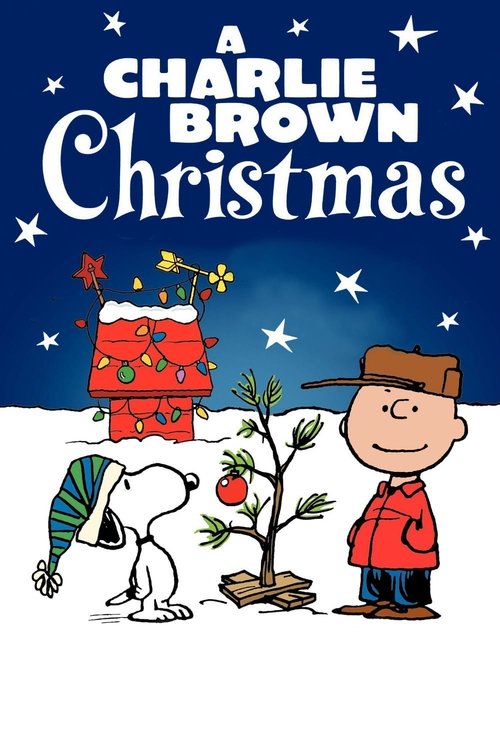
The Little Tree
It symbolizes humility, authenticity, and the human condition. Like Charlie Brown, it is flawed and rejected, but it possesses a raw reality that the fake trees lack. It represents the idea that love creates value.
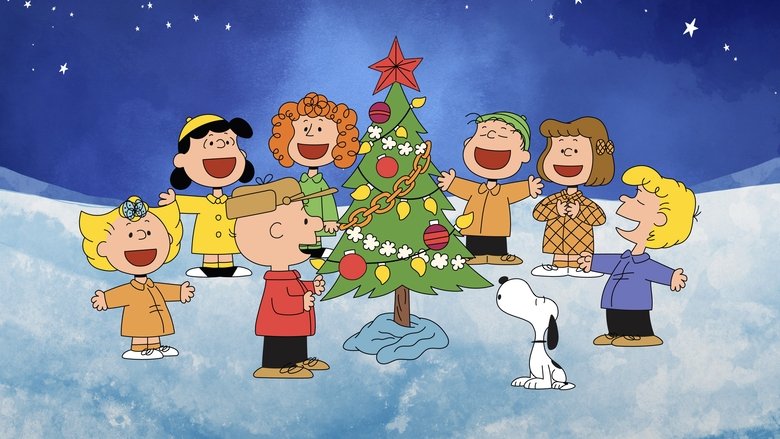
Charlie Brown chooses it over the massive aluminum trees. It droops under the weight of a single ornament but stands tall when wrapped in the group's affection (and Linus's blanket).
Linus's Security Blanket
Usually a symbol of childish insecurity, it becomes a symbol of faith and letting go of fear during the climax.
In a deliberate animation choice, Linus drops his blanket to the floor specifically when he recites the words 'Fear not' from the Gospel, symbolizing that faith removes the need for material security.
Aluminum Christmas Trees
They represent the hollow, mass-produced nature of modern commercialism. They are shiny and perfect but cold and soulless.
Seen at the tree lot where they are sold in various colors (even pink) and when Lucy commands Charlie Brown to get a big, shiny aluminum tree.
Philosophical Questions
Can authenticity survive in a commercialized society?
The film contrasts the mass-produced aluminum trees with the singular, organic, falling-apart tree. It asks if value comes from market price (commercialism) or from the care and attention one bestows upon an object (love/authenticity).
Is happiness found in psychology or spirituality?
Charlie Brown first seeks help from Lucy's psychiatric booth (secular/scientific help), which costs a nickel and fails. He ultimately finds peace through Linus's scripture (spiritual/religious truth), suggesting that existential dread requires a spiritual rather than clinical solution.
Core Meaning
The director Bill Melendez and creator Charles M. Schulz intended to strip away the glitter of American consumerism to reveal the humble, spiritual heart of Christmas. The film argues that the true meaning of the holiday is not found in spectacle, aluminum trees, or material gain, but in the simplicity of faith and the warmth of community. By championing a broken, unloved tree, the story suggests that love has the power to redeem and beautify the imperfect.