A Man Called Otto
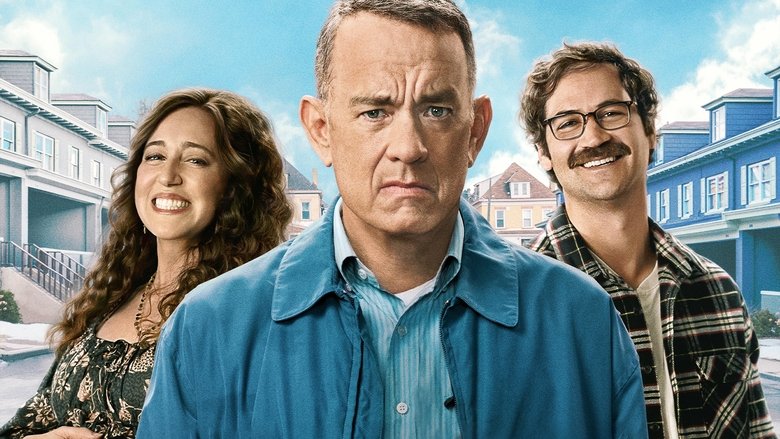
A grumpy widower's monochromatic world is forcibly recolored by a vibrant new neighbor in this tear-jerking dramedy. It explores how grief can build walls, but intrusive kindness can shatter them, revealing that a heart too big is both a medical condition and a saving grace.
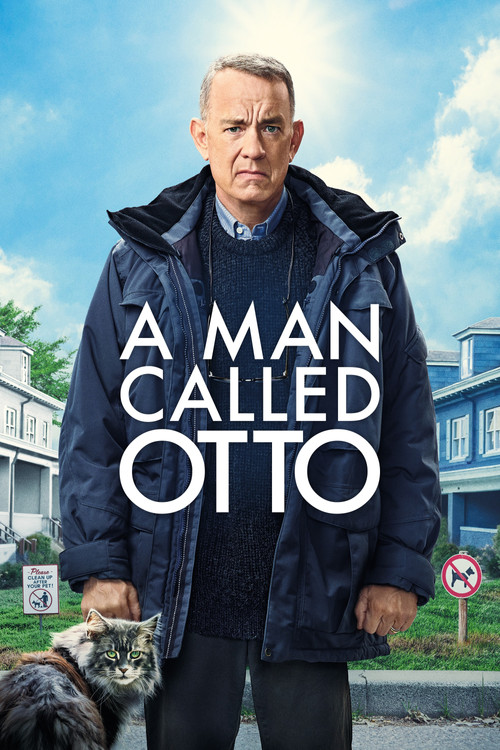
A Man Called Otto
A Man Called Otto

"Fall in love with the grumpiest man in America."

28 December 2022 Sweden 126 min ⭐ 7.8 (3,405)
Director: Marc Forster
Cast: Tom Hanks, Mariana Treviño, Cameron Britton, Mack Bayda, Manuel Garcia-Rulfo
Drama Comedy
Grief and the Paralysis of Loss The transformative Power of Community Found Family Corporate Greed vs. Human Dignity
Budget: $50,000,000
Box Office: $108,961,677

A Man Called Otto - Ending Explained

⚠️ Spoiler Analysis

The film's structure is built on the tension of Otto's suicide attempts, each failing due to comedic interruptions. However, the twist is that Otto does not die by his own hand. He eventually reveals he has a condition called hypertrophic cardiomyopathy ('too big a heart').

In the end, Otto accepts his life and stops trying to end it. He helps defeat the real estate developers and accepts Malcolm and Marisol's family as his own. The film flashes forward a few years: Tommy notices Otto hasn't shoveled his snow. Marisol enters to find Otto has passed away peacefully in his sleep from his heart condition. He leaves a letter giving them his house, money, and his car (to Malcolm), ensuring their financial stability. The ending recontextualizes his death not as a tragedy or an escape, but as a natural conclusion to a life finally lived fully.

Alternative Interpretations

The 'Otto is Dead' Theory: Some viewers interpret the film's events as Otto's purgatory or a dying dream. Since his first suicide attempt involves hanging, some argue the subsequent 'interruptions' by neighbors are his mind processing his life's regrets and creating a fantasy of redemption before the end. However, the literal ending contradicts this.

The Political Allegory: Otto represents traditional, old-school America—rigid, industrial, rule-bound—while Marisol represents the new, diverse, and chaotic future. The film can be read as a reconciliation narrative where the 'Old Guard' must accept and teach the 'Newcomer' to ensure the survival of the community's values.