
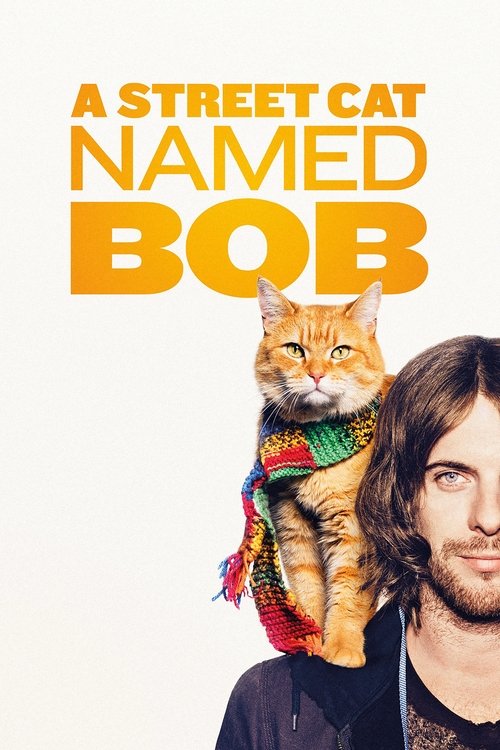
"A Street Cat Named Bob" follows the redemptive arc of James Bowen, a homeless heroin addict. After being placed in a council flat by his support worker Val, he finds an injured ginger cat, Bob, whom he nurses back to health. Though he sets Bob free, the cat repeatedly returns and follows him onto a bus, cementing their partnership. With Bob on his shoulders, James's busking and Big Issue sales skyrocket, bringing him local fame.
The central conflict revolves around James's fight to stay clean. He forms a tentative romance with his neighbor Betty, but she reveals her brother died of an overdose, creating a barrier due to James's status as a recovering addict. The death of his old friend Baz from a heroin overdose serves as a grim wake-up call. The film's climax is James's grueling decision to go through methadone withdrawal, a process he endures with Bob faithfully by his side. During a period of despair when Bob goes missing for several days, James is tempted to relapse but resists, proving his transformation. Bob's return solidifies his resolve.
The ending is triumphant. A journalist, Mary, approaches James after seeing his story online, leading to a book deal. The final scenes show a clean and healthy James reconciling with his estranged father, Jack, who attends his book launch. Betty is also there, showing her support. James is no longer homeless or an addict; he is a successful author with a stable life, all thanks to the unwavering companionship of his 'co-pilot', Bob. The film closes with a montage of photos of the real James and Bob, reinforcing the story's authenticity.