The plot of "A Trip to the Moon" culminates in a chaotic escape and a triumphant, if morally questionable, return. After being captured by the Selenites, the astronomers are brought before their king. In a moment of abrupt and comical violence, Professor Barbenfouillis lifts the king from his throne and throws him to the ground, causing him to explode. This act triggers a frantic chase, with the astronomers fighting their way back to their capsule. They manage to push the capsule off a ledge, and it falls through space back to Earth, with a Selenite clinging to the exterior. The capsule splashes down in the ocean and is retrieved by a ship. The final scene is a grand celebration in their honor. A captured Selenite is displayed and taunted, and a commemorative statue is unveiled that depicts Professor Barbenfouillis with his foot on the Moon, with the inscription "Labor Omnia Vincit" ("Work conquers all"). This ending solidifies the film's satirical critique of colonialism, revealing the celebrated 'heroes' as violent conquerors. The hidden meaning is that their scientific expedition was, in effect, a thoughtless and brutal invasion, celebrated by a society that glorifies such conquests.
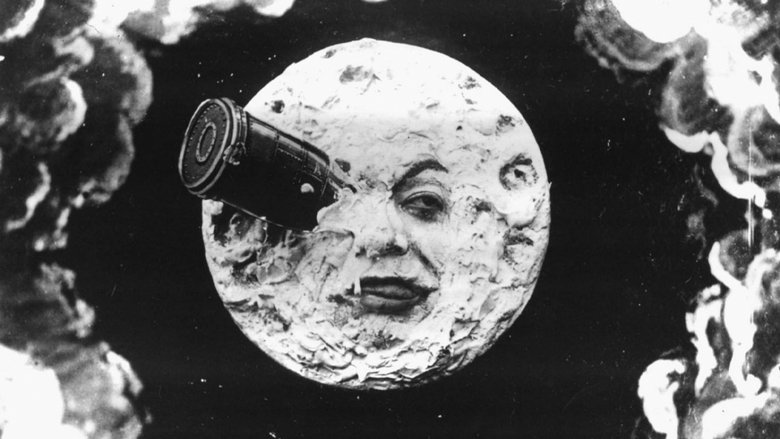
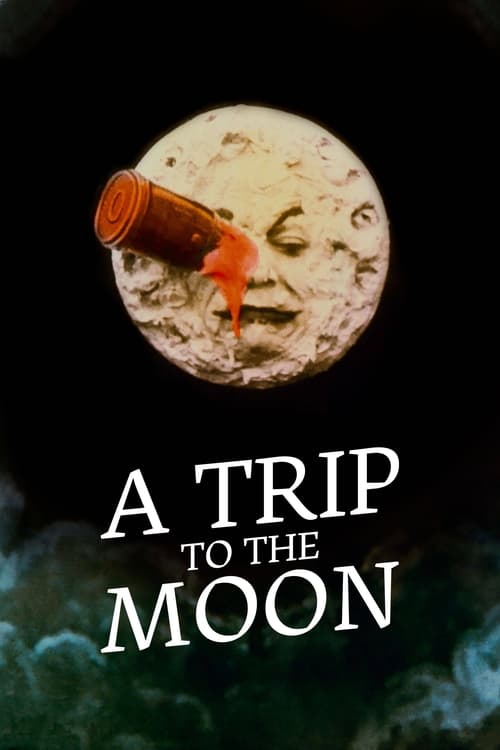
Le Voyage dans la Lune
Director: Georges Méliès
Cast: Georges Méliès, Bleuette Bernon, François Lallement, Henri Delannoy, Victor André
A Trip to the Moon — Ending Explained
⚠️ Spoiler Analysis
Alternative Interpretations
The most prominent alternative interpretation of "A Trip to the Moon" is its reading as an anti-imperialist satire. While on the surface it appears to be a whimsical adventure, the actions of the astronomers reflect the behavior of European colonial powers of the time. They invade a foreign territory, make no attempt at communication, and react with immediate violence to the native inhabitants, killing their leader and taking a captive. The triumphant celebration upon their return, complete with a statue commemorating their conquest, can be seen as a sharp critique of the self-congratulatory nature of imperial expansion. Another interpretation views the film through the lens of pataphysics, a philosophy dedicated to "the science of imaginary solutions." The film's absurd logic, disregard for physics, and surreal imagery can be seen as an exercise in pataphysical thought, aiming to show the illogicality of logical thinking.
Explore More About This Movie
Dive deeper into specific aspects of the movie with our detailed analysis pages