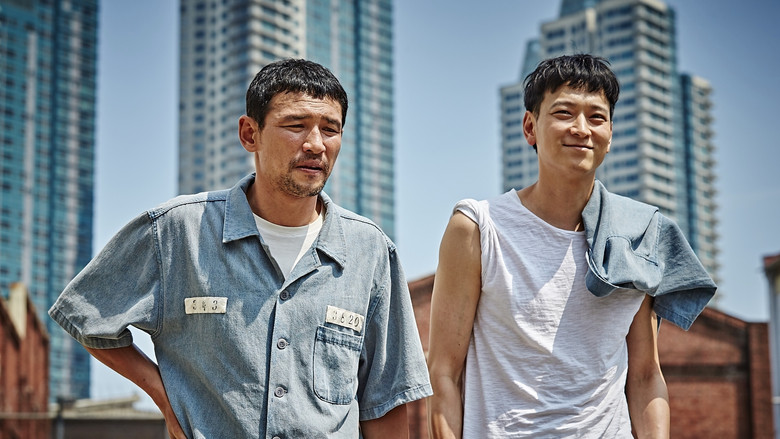
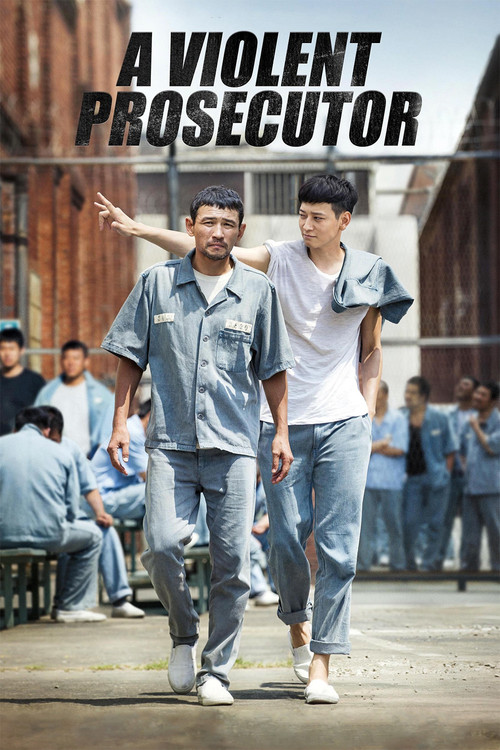
The framing of Byun is not a random misfortune. Reviews describe it as a scapegoating that protects a criminal cartel linking the political elite, big business and the judiciary. His boss, Jong-gil, abandons him, and Byun's own roughness gives the conspirators their pretext. In prison, Chi-won's recollections reveal how the setup worked, and the two men build a counter-scheme using Chi-won's skill at impersonation and manipulation.
The climax is a courtroom confrontation. Byun challenges his nemesis while pleading guilty to his own misdemeanor as a prosecutor. This is the key move. He accepts responsibility for his real wrongs, which gives him the moral authority to demand that the corrupt face theirs. The film thus ends as a victory for the underdog over the elite, while still acknowledging Byun's flaws. I have not described the finer details of the final twists, because the research did not cover them.