Alice in the Cities
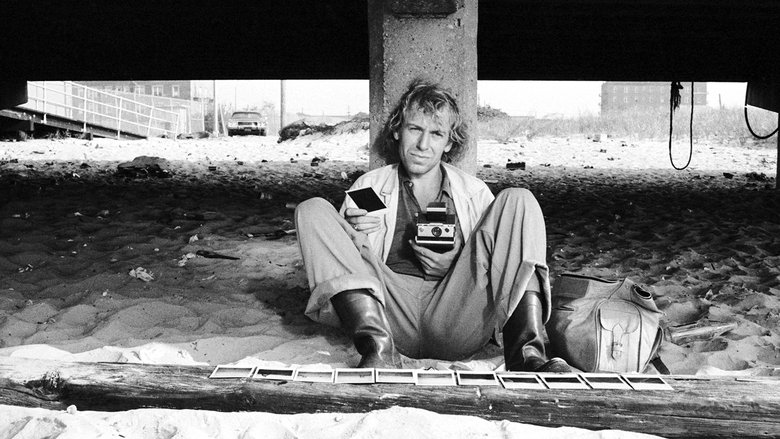
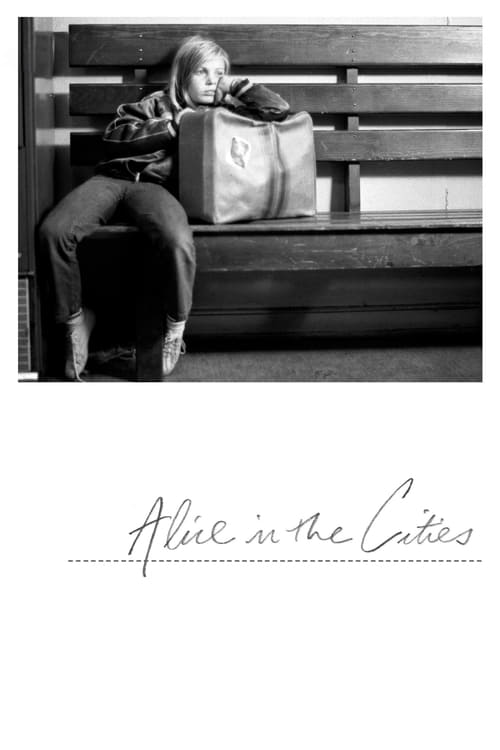
A melancholic yet hopeful road movie about an alienated journalist and an abandoned nine-year-old girl traversing American and German landscapes. It explores the search for identity and connection through the lens of black-and-white wandering, Polaroid snapshots, and the quiet spaces between destinations.
Alice in the Cities
Alice in the Cities

Alice in den Städten

17 May 1974 Germany 110 min ⭐ 7.7 (326)
Director: Wim Wenders
Cast: Rüdiger Vogler, Yella Rottländer, Lisa Kreuzer, Edda Köchl, Ernest Boehm
Drama
Alienation and Disconnection The Image vs. Reality Americanization of Europe Movement and Transit

Alice in the Cities - Ending Explained

⚠️ Spoiler Analysis

The Search: After arriving in Germany, Philip and Alice scour the Ruhr region for the grandmother's house using only the photo. They eventually find the house, but the people living there are strangers who know nothing of Alice's grandmother. The specific goal of the quest fails.

The Resolution: They go swimming to wash off the frustration. Later, on a ferry, a policeman recognizes them. He informs Philip that both the grandmother and Alice's mother, Lisa, have been found. The police put Alice on a train to Munich to reunite with her mother.

The Ending: Philip, having no money for a ticket, is about to be left behind. However, Alice reveals she has a $100 bill (which she had hidden). She buys his ticket, and they travel to Munich together. In the final shot, Philip opens the train window, finishes his writing, and they look out at the passing landscape. The camera pulls back, leaving them in the flow of life. The 'happy ending' is not that they reached a destination, but that they are continuing the journey together, with Philip finally cured of his creative paralysis.

Alternative Interpretations

The 'Anti-Paper Moon' Theory: While superficially similar to Paper Moon, critics argue that Wenders' film deconstructs the 'cute kid/grumpy adult' trope. Alice is not a plot device to redeem Philip, but an independent existential agent. The film is less about 'family' and more about two solitary souls finding a way to coexist.

The Post-War Void Reading: Some scholars interpret Philip's emptiness and the ruined landscapes of the Ruhr valley as a commentary on the 'black hole' of German history after WWII. The obsession with America is a way to avoid looking at the German past, and the journey back to the grandmother (the older generation) is a tentative attempt to reconnect with German roots that may no longer exist.