Alice in den Städten
Alice in the Cities - Symbolism & Philosophy
Symbols & Motifs
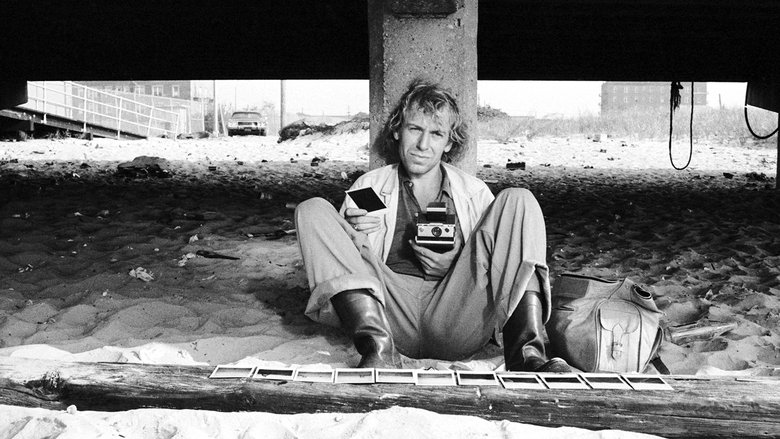
The Polaroid Camera
Symbolizes the futile attempt to possess reality and fix identity through mechanical reproduction. It represents Philip's barrier against the world.
Philip constantly snaps photos of landscapes and himself, shaking them and waiting for an image that ultimately leaves him dissatisfied. He eventually puts the camera aside as he bonds with Alice.
Jukeboxes and Rock 'n' Roll
Represents the pervasive influence of American culture, which offers both a comforting refuge and a reminder of cultural displacement.
Wenders himself appears in a cameo leaning on a jukebox. The soundtrack features Chuck Berry and Canned Heat, grounding the characters in a shared, imported cultural language.
The Photograph of the House
Represents a longing for roots and a home that may be illusory or unreachable. It is a static memory guiding a dynamic journey.
This is the only clue Alice has to her grandmother's location. Philip and Alice drive around showing it to strangers, turning the search for a specific place into a broader search for belonging.
The Wuppertal Schwebebahn (Suspension Railway)
Symbolizes a unique, suspended perspective on the world—floating above the city rather than being grounded in it.
Alice and Philip ride this distinctive train while searching for the house. It visually reinforces the theme of transit and looking at the world from a moving window.
Philosophical Questions
Can an image ever truly capture reality?
The film argues that images (Polaroids, TV, movies) acts as barriers to experience. Philip's photography alienates him from the world. The film suggests that truth is found in the duration of time and movement, not in static snapshots.
What constitutes 'home' in a globalized world?
Both characters are homeless wanderers. The film proposes that in a modern, industrialized world, 'home' is no longer a physical place (the grandmother's house is elusive), but a state of connection found in transit and in relationships with others.
Core Meaning
Alice in the Cities is a meditation on the difficulty of seeing and the search for authentic experience in a media-saturated world. Wim Wenders uses the road movie genre to explore the post-war German identity crisis, where a cultural void is filled by American pop culture (music, movies, ads).
The film suggests that true connection and self-discovery happen not through capturing static images (the Polaroids that 'never show what you saw'), but through the shared, lived experience of movement and human interaction. Alice acts as a catalyst who forces Philip to look away from his own reflection and engage with the world directly, moving him from cynical alienation to a hopeful openness.