The narrative of "Alien" is built around two shocking and pivotal twists. The first and most iconic is the "chestburster" scene. After the facehugger detaches and dies, the crew believes Kane is safe. The sudden, violent eruption of the infant alien from his chest during a calm meal is a masterclass in cinematic shock. It reveals the true, horrific purpose of the facehugger: not to kill, but to implant a parasitic embryo. This twist establishes that the threat is not external but has been brought inside, both into the ship and into a human body, and is now loose among them.
The second major twist is the revelation that Science Officer Ash is an android. When Ripley discovers the company's secret order to retrieve the alien at all costs, Ash attacks her. During the struggle, Parker decapitates him, revealing not blood and bone, but wires and a white, milky fluid. This unmasks the full extent of the Weyland-Yutani corporation's treachery. The crew isn't just fighting a monster; they have been betrayed by their employers and are being actively sabotaged by one of their own. Ash's subsequent monologue, where he praises the alien's perfection, reveals that the corporate-technological entity he represents is philosophically aligned with the monster, not the humans.
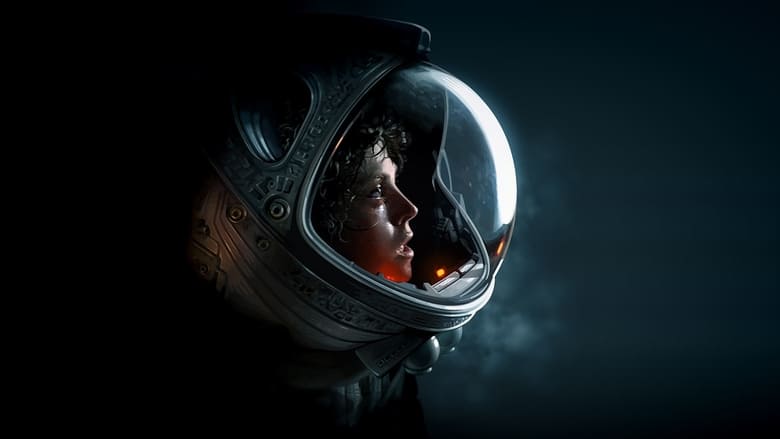
The ending sees Ripley as the sole human survivor. Believing she has destroyed the alien by initiating the Nostromo's self-destruct sequence, she escapes on the shuttle, the Narcissus. The final twist comes when she discovers the xenomorph has stowed away on the shuttle with her. This final confrontation is deeply personal and claustrophobic. Ripley's intelligence and composure under extreme pressure allow her to don a spacesuit and flush the creature out of the airlock, finally killing it with the shuttle's engine blast. Her survival is not a triumphant victory but a weary, hard-won escape, leaving her adrift in space and setting the stage for the sequels.