The film follows a linear descent into tragedy. The major turning points are the deaths of Paul's classmates, stripping him of his support network. The "twist" lies in the anticlimactic nature of the ending. After surviving years of bombardment, gas attacks, and hand-to-hand combat, Paul is not killed in a blaze of glory or a major offensive. On a remarkably quiet day in October 1918, shortly before the armistice, he is shot by a sniper while reaching for a butterfly. The screen fades to the official army report: "All Quiet on the Western Front." This ending recontextualizes the entire film, emphasizing that to the war machine, the life and death of the individual soldier are utterly meaningless.
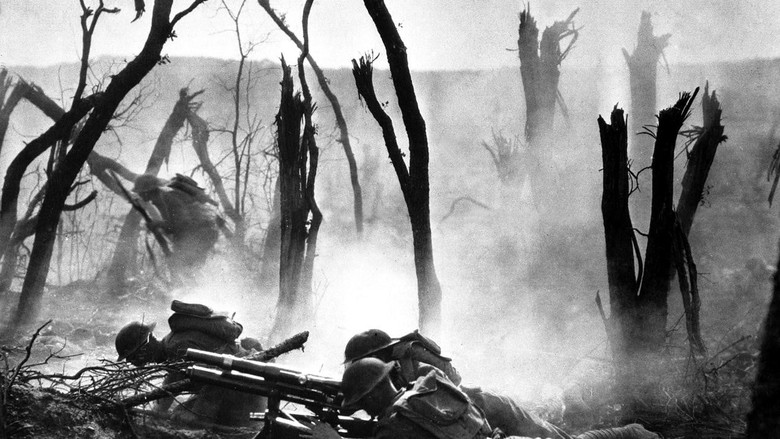
War/Drama + Despair + A hand reaching for a butterfly amidst the mud. An unvarnished, harrowing descent into the trenches of WWI where the idealism of youth is systematically ground into dust by the machinery of death, leaving only a haunting silence.
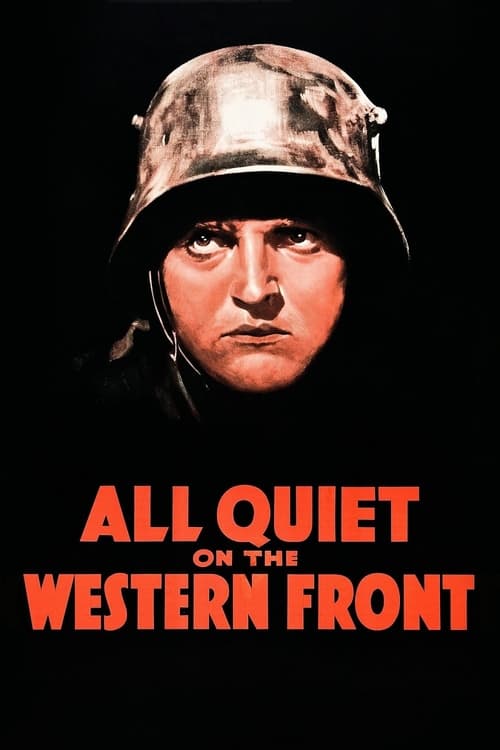
All Quiet on the Western Front
"They left for war as boys never to return as men."
29 April 1930
United States of America
133 min
7.7
(898)
Director: Lewis Milestone
Cast: Louis Wolheim, Lew Ayres, John Wray, Arnold Lucy, Ben Alexander
Drama
War
The Betrayal by the Older Generation
The Loss of Innocence and Dehumanization
Comradeship as Survival
The Futility and Randomness of Death
Budget:
$1,448,864
Box Office:
$3,270,000
All Quiet on the Western Front — Ending Explained
⚠️ Spoiler Analysis
Alternative Interpretations
The Irony of the Title: The ending can be read in two ways. First, as a bitter irony where the death of the protagonist—a universe of experience and suffering to the viewer—is considered "quiet" and irrelevant to the military command. Second, it can be interpreted as a moment of final peace for Paul; the "quiet" is his release from the noise and horror of war, suggesting that death was the only escape left.
Explore More About This Movie
Dive deeper into specific aspects of the movie with our detailed analysis pages