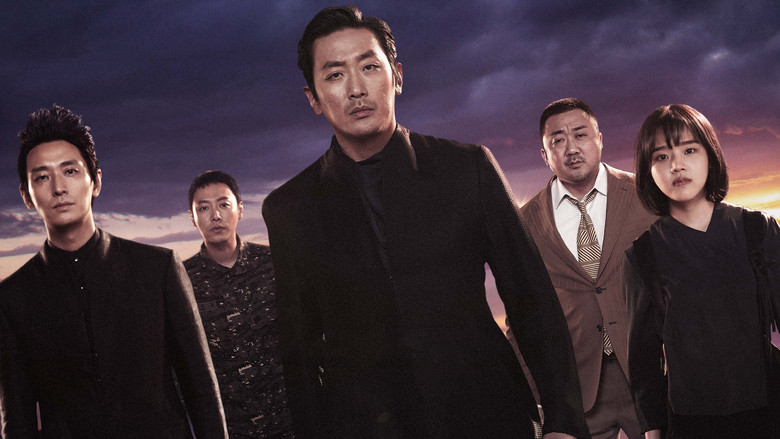
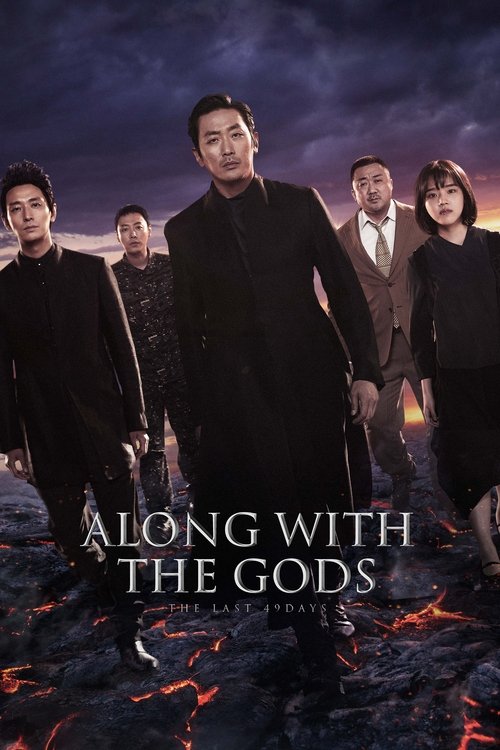
The central and most impactful twist of the film is the full revelation of the guardians' past lives and their tragic end. A millennium ago, during the Goryeo dynasty, Gang-rim was a highly respected general and the son of a great military leader. His father adopted a young Khitan orphan, who grew up to be the formidable warrior Haewonmak. Consumed by jealousy over his father's preference for Haewonmak, Gang-rim deliberately abandons his father to die on the battlefield. He then sends Haewonmak on a suicide mission. When Haewonmak survives and returns, Gang-rim murders him. He also kills Deok-choon, a Jurchen girl who cared for orphans and was being protected by Haewonmak.
The second major revelation is that King Yeomra, the ruler of the afterlife, is none other than Gang-rim's father. After their deaths, Yeomra appointed the three as guardians. As a punishment for Gang-rim, he allowed him to keep his memories, forcing him to live with the crushing guilt for 1,000 years while working alongside the two people he murdered. Haewonmak and Deok-choon's memories were wiped. This entire 1,000-year mission was a penance designed by a father for his son, hoping it would lead to eventual forgiveness and redemption. The film concludes with Haewonmak and Deok-choon learning this truth and, after a period of anguish, choosing to forgive Gang-rim, breaking the cycle of resentment and allowing them to continue their work as a true team.