"The Fantastic World of Fellini!"
Director: Federico Fellini
Cast: Pupella Maggio, Armando Brancia, Magali Noël, Ciccio Ingrassia, Nando Orfei
Amarcord — Characters & Cast
Character Analysis
Titta Biondi
Bruno Zanin
Motivation
Titta's primary motivations are quintessentially adolescent: to satisfy his burgeoning sexual curiosity, to assert his independence from his family, and to find his place among his peers. He is driven by his fantasies about the town's women, especially Gradisca and the tobacconist.
Character Arc
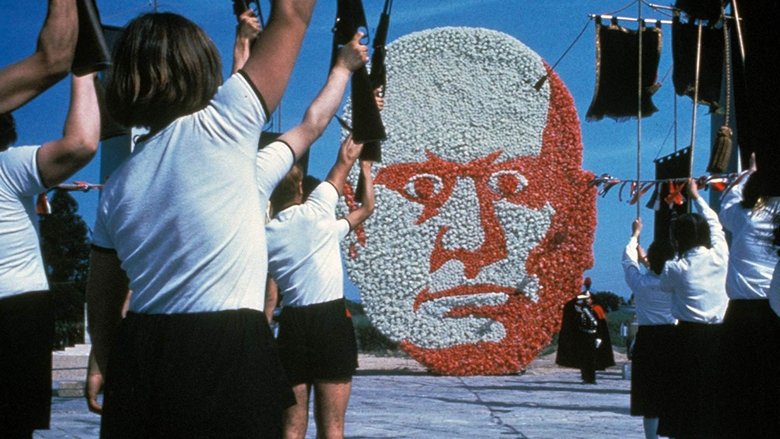
Titta does not have a traditional character arc of profound change; rather, he is an observer and participant through whom the audience experiences the town's life over a year. His journey is one of sentimental education, navigating the confusing worlds of sexuality, family, and politics. He moves from schoolboy pranks and communal masturbation to more direct, albeit clumsy, encounters with female sexuality, and witnesses the harsh reality of Fascism when his father is interrogated. His mother's death marks a significant moment of maturation and confrontation with loss, pushing him from adolescence toward a more somber understanding of life.
Gradisca
Magali Noël
Motivation
Gradisca is motivated by a deep desire for a grand, cinematic romance and to escape the provincial limitations of the town. She longs for a husband, a family, and, most importantly, affection, which she feels she has in abundance but no one to give it to.
Character Arc
Gradisca begins the film as the town's primary sexual fantasy, a glamorous hairdresser who walks with an air of unattainable allure. She dreams of a grand, romantic love, fantasizing about film stars like Gary Cooper. Her arc is one of disillusionment and compromise. As the year progresses, her fantasies give way to the reality of her aging. Her story culminates in her marriage not to a movie star, but to a Carabiniere (a state police officer), a practical match that signifies the end of her youthful dreams and an acceptance of a more mundane life. Her departure marks the end of an era for the town's dreamers.
Aurelio Biondi
Armando Brancia
Motivation
Aurelio is motivated by the desire to provide for his family and to maintain his dignity and anti-fascist principles in a hostile political environment. His constant shouting and frustration stem from his inability to control his chaotic household or the oppressive political forces around him.
Character Arc
Aurelio is a volatile but ultimately loving father and husband, a construction worker whose socialist beliefs put him at odds with the Fascist regime. His arc is not one of transformation but of endurance. He rails against his family, the government, and life's frustrations in theatrical outbursts. A key moment of his story is his arrest and humiliation by Fascist thugs, who force-feed him castor oil—a brutal reality that pierces the film's comedic tone. His character represents the powerless frustration of the common man under an oppressive regime.
Miranda Biondi
Pupella Maggio
Motivation
Miranda's motivation is the well-being of her family. She is driven by a deep-seated anxiety and love for her husband and children, which manifests as constant fretting, complaining, and emotional outbursts designed to keep them in line and safe.
Character Arc
Miranda is the emotional core of the Biondi family, a histrionic and perpetually worried mother who holds the chaotic household together. She constantly threatens to kill herself over her family's antics but displays deep affection. Her arc is the most tragic in the film. After a year of enduring the family's madness, she falls ill and dies unexpectedly. Her death brings a sudden and profound sense of loss, shattering the film's carnivalesque atmosphere and forcing the family, particularly Titta, to confront a stark and painful reality.
Cast
Explore More About This Movie
Dive deeper into specific aspects of the movie with our detailed analysis pages