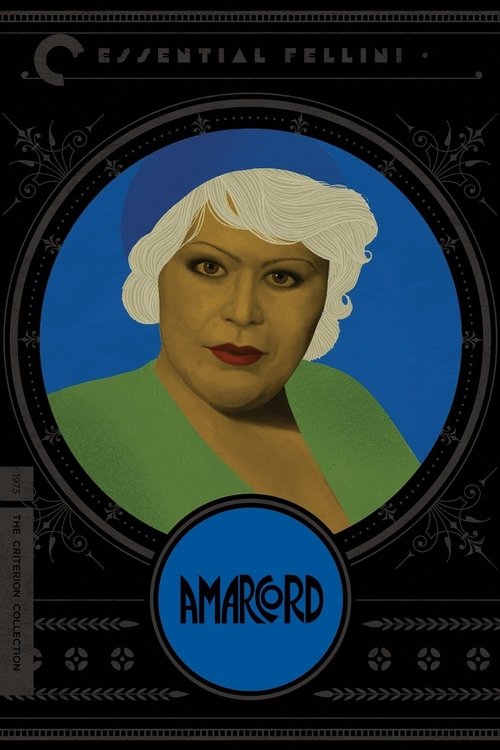
Amarcord
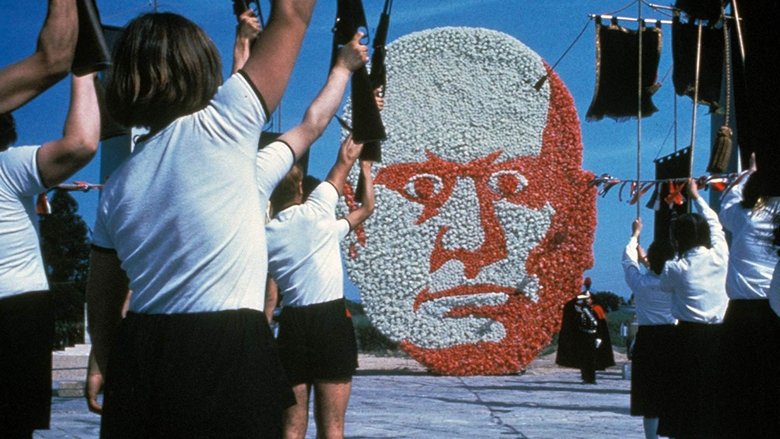
A carnivalesque comedy-drama, Amarcord is a poignant, dreamlike journey into memory, evoking the bittersweet nostalgia of a provincial Italian town under Fascism's shadow.
Amarcord
Amarcord

"The Fantastic World of Fellini!"

18 December 1973 Italy 123 min ⭐ 7.9 (1,161)
Director: Federico Fellini
Cast: Pupella Maggio, Armando Brancia, Magali Noël, Ciccio Ingrassia, Nando Orfei
Drama Comedy
Memory and Nostalgia Adolescence and Coming-of-Age Critique of Fascism and Authority Community and Ritual

Amarcord - Ending Explained

⚠️ Spoiler Analysis

"Amarcord" eschews a traditional plot, so its power lies not in twists but in its cyclical structure and emotional progression. The film's narrative spans one year, beginning and ending with the arrival of spring, symbolized by floating poplar seeds. The story culminates in two significant events that bring the town's year to a close: the death of Titta's mother, Miranda, and the wedding of Gradisca.

Miranda's sudden death from an illness is a jarring shift in tone, puncturing the film's largely comedic and fantastical atmosphere with an undeniable and profound sadness. It is the most significant event forcing Titta toward maturity, as he confronts a loss that cannot be processed through fantasy or humor. The spectacle of the town's funeral procession underscores the communal nature of this private grief.

The final major sequence is Gradisca's wedding. Throughout the film, she represents the town's ultimate fantasy—a glamorous, unattainable object of desire. Her dream was to be swept away by a movie star like Gary Cooper. However, she ends up marrying a pudgy, balding but respectable Carabiniere (a national policeman). This marriage signifies the death of fantasy and the acceptance of a mundane, provincial reality. As she leaves the celebration, her departure marks the end of an era for Titta and the town. The film concludes as it began, with the poplar seeds drifting, but the feeling is now one of melancholy and loss. The cycle of life continues, but the dream has faded, and the characters, like Italy itself, must move on from their collective adolescence.

Alternative Interpretations

While the dominant interpretation of "Amarcord" sees it as a satirical critique of Fascism rooted in national immaturity, alternative readings exist. Some critics view the film less as a political statement and more as a purely personal, lyrical poem about the nature of memory itself. In this light, the political elements are secondary to the film's primary focus on the way the past is distorted, romanticized, and kept alive through subjective recollection. The film becomes a universal story about anyone's relationship with their own childhood, where memories are a blend of truth and fantasy.

Another perspective downplays the critique and emphasizes the warmth and affection Fellini has for his characters and his hometown. Foster Hirsch, for example, found the film to be Fellini's "warmest, most subdued film," though he missed the director's grander flourishes. From this angle, the film is less a scathing satire and more of a bittersweet love letter to a vanished world. The grotesqueries and absurdities are not just symbols of a flawed society but are also embraced with a genuine, if complicated, fondness for the vitality and humanity of the people, however flawed they may be.