
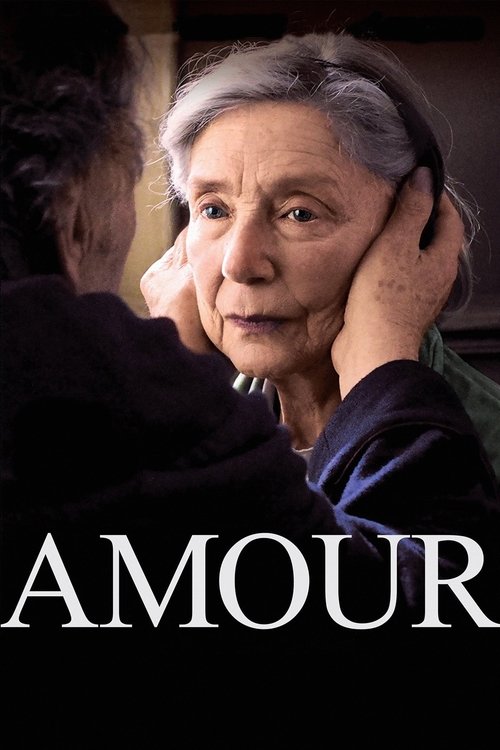
Amour - Symbolism & Philosophy
Symbols & Motifs
The Pigeon
A chaotic intrusion of life and nature into the sterile, dying apartment. It represents the outside world, or perhaps Anne's soul.
A pigeon flies into the apartment twice. The first time, Georges scares it away (rejecting the intrusion). The second time, after Anne's death, he catches it gently in a blanket and caresses it before releasing it (accepting the release of life).
The Sealed Door
The finality of death and the separation of the living from the dead.
After killing Anne, Georges tapes the bedroom door shut, physically sealing off the corpse and the trauma, attempting to contain death within a specific space while he continues to exist in the rest of the apartment.
Water
The overwhelming, drowning nature of impending death and grief.
In a nightmare sequence, Georges imagines the hallway flooding with water while he is trapped, symbolizing his helplessness against the tide of Anne's illness.
The Slap
The breaking point of patience and the violent reality of caregiving.
When Anne refuses to drink water, spitting it out, Georges instinctively slaps her. It is a shocking moment that shatters the facade of saintly patience, revealing the frustration and exhaustion inherent in his role.
Philosophical Questions
Is euthanasia an act of love or murder?
The film forces the viewer to judge Georges' final act. Is suffocation a merciful release from the torture of a decaying body, or is it a selfish act to end the caregiver's own pain? Haneke refuses to provide a moral verdict, leaving the ethics ambiguous.
What is the limit of dignity?
Anne asks, 'Why should I inflict this on us?' The film questions whether life is worth living when autonomy and dignity are completely lost, and whether preserving biological life at the cost of the 'self' is moral.
How do we deal with the suffering of others?
Through Eva's character, the film explores the helplessness of observers. It asks whether we can ever truly share another's pain or if suffering is an inherently solitary experience.
Core Meaning
At its heart, Amour is a meditation on the physical reality of abstract vows. Haneke interrogates the meaning of 'undying love' when faced with the literal death of the personality and body. The film suggests that true love is not just romance, but the excruciating burden of bearing witness to suffering and making impossible ethical choices to preserve a loved one's dignity. It posits that death is not a sudden event but a process that love must endure, even if it means destroying the object of that love to save them from humiliation.