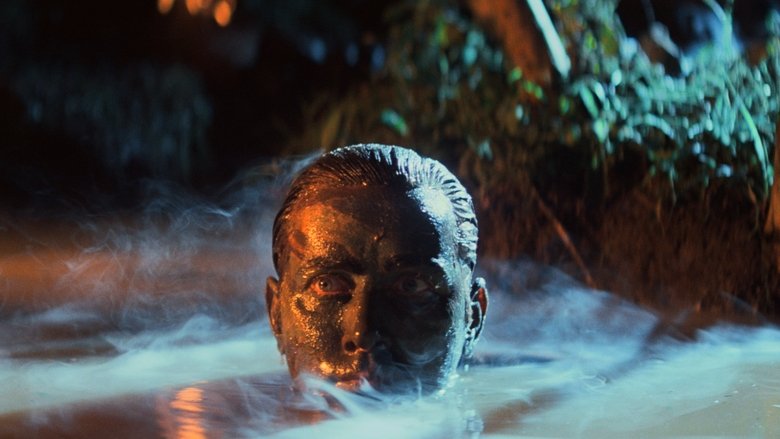
The entire plot of Apocalypse Now is a slow-burn journey towards a foregone conclusion: the assassination of Colonel Kurtz. The true revelations are not plot twists but psychological and philosophical shifts. As Willard's boat moves upriver, the crew is killed off one by one: Mr. Clean is killed in a sudden firefight, and Chief is impaled by a spear during an attack by indigenous tribesmen. This gradual elimination of his companions isolates Willard, forcing him deeper into his own thoughts and his obsession with Kurtz.
Upon reaching the compound, Willard finds Captain Colby, a previous operative sent to kill Kurtz, has now joined his ranks, foreshadowing the seductive power of Kurtz's philosophy. Willard is captured and brought before Kurtz, who has become a bloated, enigmatic demigod. Kurtz, aware of Willard's mission, does not resist his fate; instead, he engages Willard in a series of philosophical monologues, explaining his worldview and his contempt for the hypocrisy of the war. He sees Willard as his successor and asks him to tell his son the truth about him.
The climax is a ritualistic execution. As Kurtz's followers slaughter a water buffalo with machetes, Willard enters Kurtz's chamber and kills him in a similar fashion. Kurtz's dying words are 'The horror... the horror.' The hidden meaning becomes clear: Kurtz did not want to be defeated, but to be martyred. He needed someone to end his reign, someone who understood his methods, thus validating his entire philosophy. Willard is then presented with the choice to become the new Kurtz as the followers bow to him. He rejects this path, turns away, and takes the boat back down the river, leaving the future of the compound uncertain but escaping the heart of darkness himself, though forever scarred by its horrors.