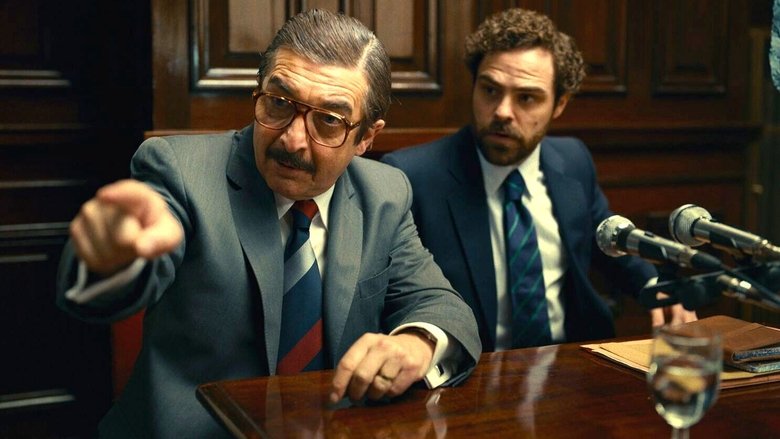
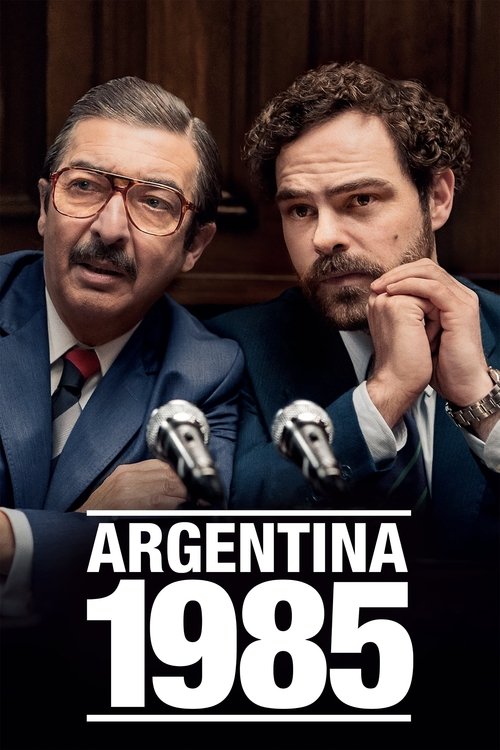
The film's climax is the delivery of the verdict in the Trial of the Juntas. After a tense and emotionally draining trial, where the prosecution successfully presents overwhelming evidence of systematic torture and murder through the testimony of survivors, Julio Strassera delivers a masterful closing argument. He refutes the defense's claim that the military was fighting a war, stating that sadism is a moral perversion, not a political ideology. He concludes with the now-iconic phrase, "Nunca más" ("Never Again"), which is met with an emotional ovation in the courtroom.
The verdict is a partial but historic victory. On December 9, 1985, the court sentences the top commanders, General Jorge Videla and Admiral Emilio Massera, to life in prison. General Roberto Viola receives a 17-year sentence, Admiral Armando Lambruschini eight years, and General Orlando Agosti four and a half years. However, four other members of the juntas are acquitted. This mixed result underscores the complexities and compromises inherent in the legal process. In a poignant moment, Strassera lies to a dying friend, telling him all the commanders received life sentences, to give him peace. The film ends not with a simple celebration, but with the image of Strassera back at his typewriter, beginning the process of appealing the acquittals, signifying that the fight for complete justice is far from over. Post-scripts inform the audience that subsequent laws granting impunity were later overturned, leading to the conviction of over 1,000 other perpetrators of crimes against humanity.