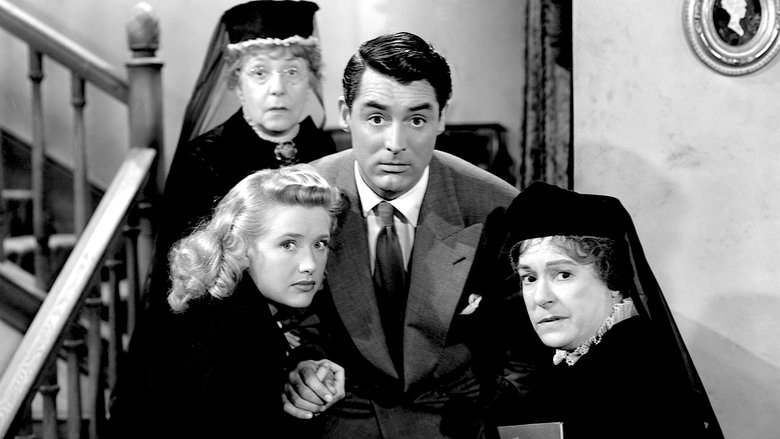
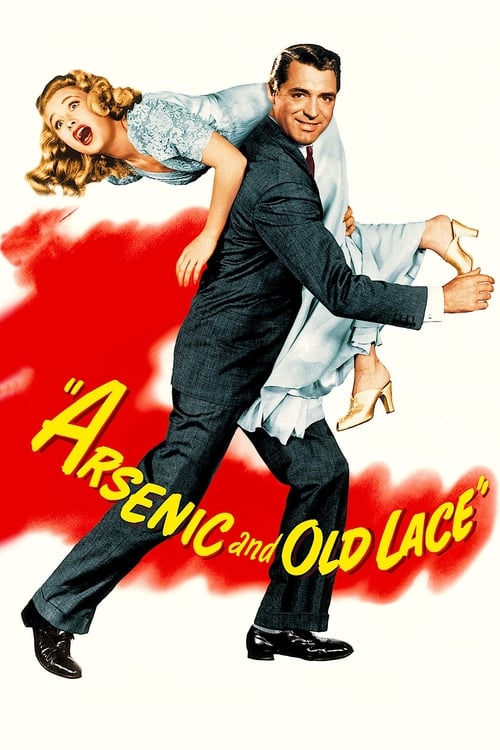
The narrative twists rely heavily on escalating the body count and the absurdity of the domestic space. The audience learns early on that the aunts have successfully murdered twelve men. The first major twist occurs when Jonathan and Dr. Einstein arrive, bringing a fresh corpse of their own (Mr. Spenalzo), immediately turning the house into a literal competition of serial killers fighting over basement burial space.
The climax involves a frantic night of near-misses. Mortimer is tied to a chair and nearly killed by Jonathan, only to be saved by the oblivious Officer O'Hara, who ignores the hostage situation to pitch his terrible play to Mortimer. Ultimately, the police recognize Jonathan from his wanted posters, leading to his arrest and the removal of his corpse.
The film's final, most crucial twist is revealed in the last five minutes. As the aunts prepare to voluntarily commit themselves to the Happy Dale Sanitarium alongside Teddy, they casually inform Mortimer that he is not actually a Brewster by blood. His mother was their cook, and his father was a steamship chef. This revelation acts as a deus ex machina, completely lifting the curse of the Brewster madness from Mortimer. He is free to love Elaine without the fear of passing on genetic insanity, allowing the film to end on a triumphant, socially acceptable note while leaving the aunts' horrifying crimes relatively unpunished by the law.