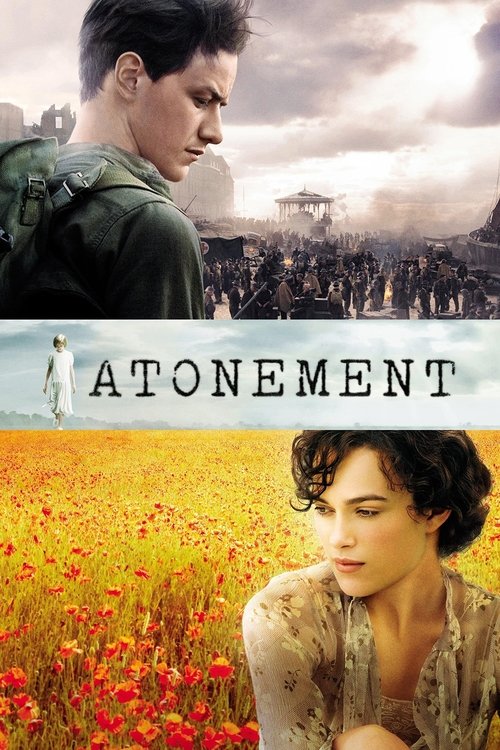
"Torn apart by betrayal. Separated by war. Bound by love."
Atonement - Symbolism & Philosophy
Symbols & Motifs
The Typewriter
Symbolizes the power of words to both create and destroy, as well as the author's control over reality.
Its rhythmic clacking is ingeniously integrated directly into the film's musical score, reflecting Briony's omnipresent narrative voice and her lifelong attempt to rewrite history.
The Green Dress
Symbolizes blossoming sexuality, the stifling heat of repressed desires, and an idealized, pristine memory of a world right before its catastrophic fall.
Worn by Cecilia during the fateful dinner in 1935, it stands out vibrantly against the hothouse atmosphere of the Tallis estate, becoming a haunting visual memory for Robbie.
Water
A motif representing cleansing, transition, and ultimately, danger and death.
Appears during the pivotal fountain incident, Robbie's desperate hallucination for hydration at Dunkirk, and tragically, Cecilia's death in a flooded underground tube station.
The Broken Vase
Represents the irreversible fracturing of relationships and the futility of trying to fix something once it is permanently broken.
Uncle Clem's priceless vase shatters during a tense standoff between Robbie and Cecilia at the fountain, setting off the chain of events that leads to Briony's misunderstanding.
Philosophical Questions
Can art or fiction ever truly provide atonement for real-world sins?
The film asks whether writing a novel that grants victims a happy ending is a genuine act of penance or merely a self-serving illusion. It challenges the idea that narrative closure can substitute for real-world justice or alleviate the permanence of a fatal mistake.
How does perspective alter our understanding of objective truth?
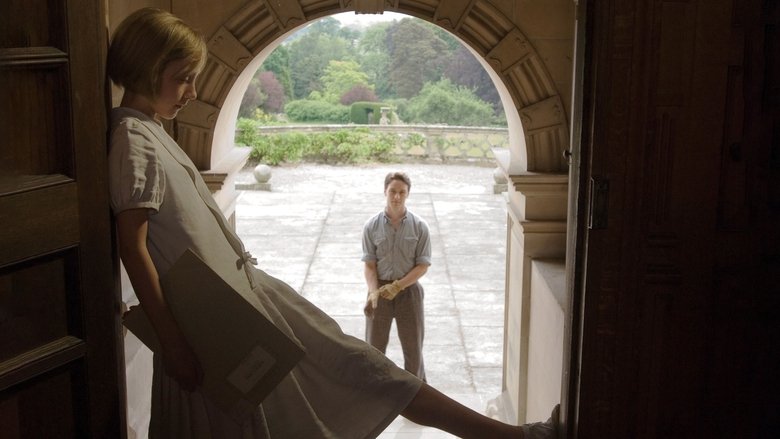
By showing the fountain scene twice—first from the lovers' perspective, then from Briony's naive point of view—the film explores how subjective interpretations and preconceived biases can fatally distort reality.
At what age are we morally responsible for the consequences of our actions?
Briony's lie is committed when she is only 13, driven by childish misunderstanding and jealousy. The film wrestles with whether her youth excuses her actions, and how a childhood mistake can exact an adult toll.
Core Meaning
The central message of Atonement revolves around the immense power and danger of storytelling, alongside the crushing permanence of guilt. Director Joe Wright and author Ian McEwan explore how a naive, self-serving narrative—born from a child's inability to comprehend adult complexities—can irreparably destroy real lives. The film questions the limits of redemption and whether true atonement is ever actually achievable. Ultimately, it suggests that while art and fiction can offer a form of solace or a rewritten 'happy ending,' they are often just a self-serving mechanism for the creator, unable to reverse the tragic finality of the past.