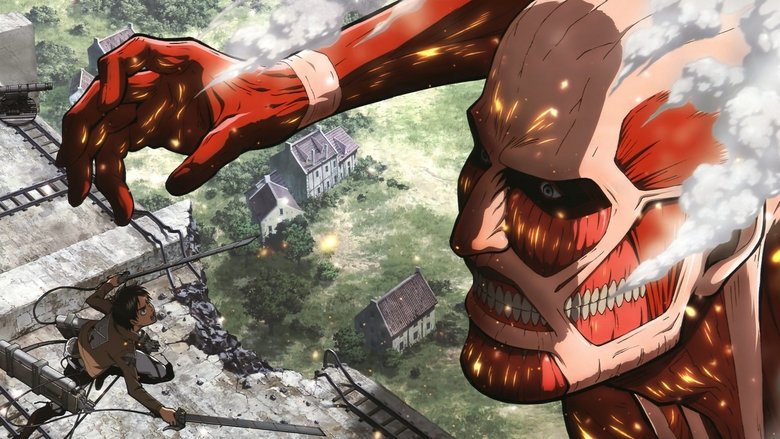
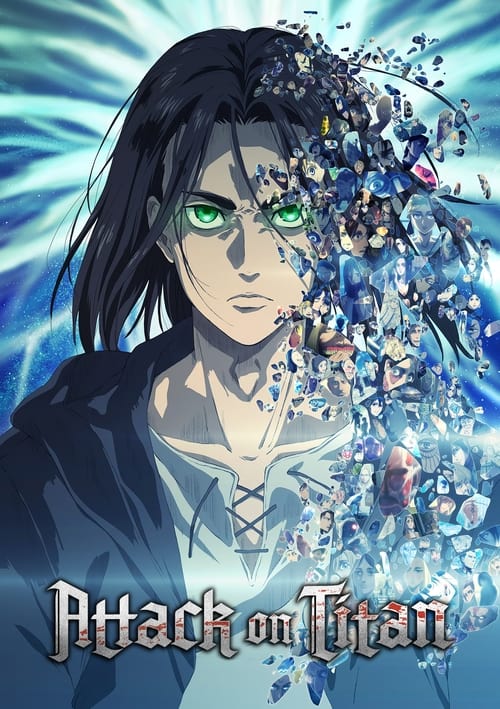
"Attack on Titan" is built on a series of shocking revelations that recontextualize the entire narrative. The first major twist is that the protagonist, Eren Yeager, can transform into a Titan himself. This is followed by the discovery that other humans, including his comrades Reiner, Bertholdt, and Annie, are also intelligent Titan Shifters who infiltrated the walls as enemy combatants.
The central mystery of the first three seasons is what lies in the basement of Eren's childhood home. The answer shatters their entire worldview: they are not the last of humanity. They live on an island called Paradis, and they are a race of people called Eldians who can turn into Titans. The rest of the world, particularly the nation of Marley, hates and fears them for the historical sins of the Eldian Empire. The "mindless" Titans that have plagued them for a century are actually exiled Eldians forcibly transformed by Marley.
The ultimate twist revolves around Eren's true plan. After coming into contact with Zeke and gaining the full power of the Founding Titan, Eren is not seeking to defend his island but to launch a global genocide known as "The Rumbling." He unleashes the millions of Colossal Titans from within the walls to trample the entire world, believing this is the only way to end the cycle of hatred and ensure his friends can live long lives. In the end, his former comrades are forced to fight and kill him. It is revealed that this was part of Eren's plan all along: by becoming the ultimate villain and being killed by his Eldian friends, he would make them heroes in the eyes of the surviving world. His death also breaks the 2,000-year-old Curse of Ymir, permanently removing the power of the Titans from the world.