進撃の巨人
"Home was a pen. Humanity, cattle."
Attack on Titan - Symbolism & Philosophy
Symbols & Motifs
The Walls (Maria, Rose, Sina)
The Walls represent a complex duality of safety and imprisonment. On the surface, they are humanity's last bastion of protection against the Titans. However, they also symbolize fear, ignorance, and confinement, trapping humanity in a "cage" and preventing them from seeking the truth of the outside world. They also represent social stratification and the psychological barriers characters build within themselves.
The entire society is structured around the three walls. The breach of Wall Maria in the first episode is the catalyst for the entire series, shattering the illusion of safety. The eventual revelation that the walls are made of millions of Colossal Titans completely upends their symbolic meaning, turning them from a defensive shield into a potential weapon of mass destruction.
The Titans
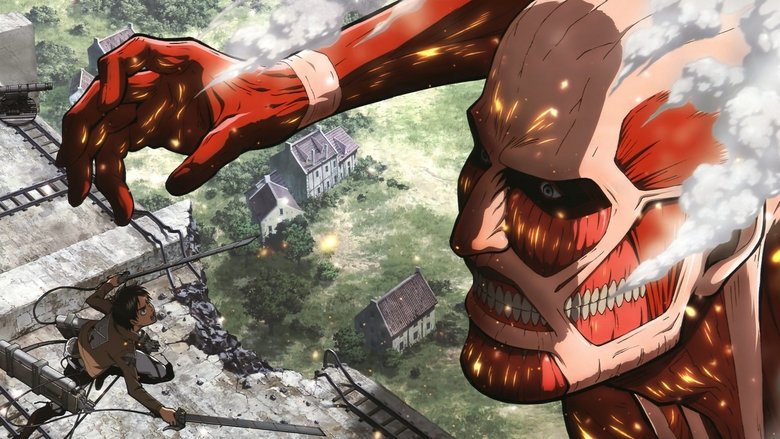
Initially, the Titans symbolize overwhelming, mindless terror and the brutal, chaotic forces of nature. As the series progresses, their meaning deepens to represent the monstrous side of humanity itself—a physical manifestation of the Eldians' cursed history and the power that has caused so much suffering. They become a symbol of how humans can be turned into monsters by the hatred and actions of others.
Titans are the primary antagonists for the first three seasons. The discovery that they are transformed humans (Eldians from Marley) is a major turning point. Main characters like Eren can also transform, blurring the line between human and monster and showing that this fearsome power can be wielded for different, often conflicting, purposes.
The Wings of Freedom
The emblem of the Survey Corps, the Wings of Freedom, symbolizes humanity's hope, defiance, and the desperate longing to reclaim the world and be free from the oppression of the Titans and the confinement of the Walls. The two wings, one white and one black (or blue in the anime), can also represent the dual nature of humanity—good and evil, hope and despair—and the moral ambiguity of the fight for freedom.
This symbol is worn proudly by all members of the Survey Corps, including Eren, Mikasa, Armin, and Levi. It's a constant visual reminder of their goal and the sacrifices made to achieve it. The phrase is often used in speeches and moments of high drama to inspire the soldiers to push beyond their fear.
Birds
Birds, often shown soaring freely in the sky, are a powerful and recurring symbol of the absolute freedom that characters like Eren yearn for. They represent an existence without walls, boundaries, or oppression. In the finale, a bird wrapping Mikasa's scarf is interpreted by some as a metaphor for Eren's spirit finally being free and keeping his promise to her.
Birds appear at many significant moments throughout the series, often juxtaposed with the trapped state of the human characters. Eren frequently looks to the sky and sees them. The final scenes of the series feature a bird interacting with Mikasa at Eren's grave, providing a poignant and ambiguous final image.
Philosophical Questions
What is the true meaning of freedom?
The series constantly explores whether freedom is the absence of physical restraint (like the walls), the ability to make choices (free will), or a state of being. Eren's quest for absolute freedom leads him to become a monster who takes freedom away from others. The story questions if true freedom is ever attainable or if everyone is, as Kenny Ackerman says, "a slave to something."
Can the cycle of violence ever be broken?
This is the central question of the series. Each act of violence is a direct retaliation for a previous one, stretching back generations. Characters like Armin believe in diplomacy and understanding, while Eren comes to believe that the only way to end the cycle is to completely eradicate the "other side." The ambiguous ending, which shows peace for a time but eventual future conflict, suggests that while hatred can be paused, it may be an inescapable part of human nature.
Are people born evil, or are they made into monsters by their circumstances?
The series consistently blurs the line between hero and villain. Characters like Reiner, Bertholdt, and even Eren are not depicted as inherently evil, but as people who have been traumatized, indoctrinated, and forced into monstrous acts by their environment and the historical hatred they inherited. The story suggests that anyone, given the right circumstances, can become a monster.
Core Meaning
The core meaning of "Attack on Titan" is a profound and often bleak exploration of the cyclical nature of hatred and violence. It argues that conflict is an inescapable part of human existence, passed down through generations and fueled by prejudice, propaganda, and the thirst for revenge. The series posits that the pursuit of absolute freedom can lead to oppression and destruction, forcing its characters and audience to confront the idea that there are no simple heroes or villains. Ultimately, the creators want to convey that while the cycle of violence may be unbreakable, the struggle for understanding, empathy, and the choice to protect loved ones in a cruel world holds its own profound, albeit tragic, meaning.