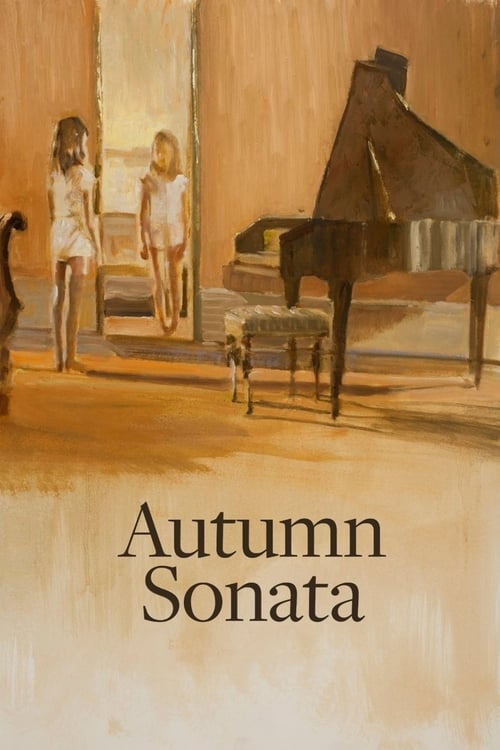
Höstsonaten
"A mother and a daughter. What a terrible combination of feelings, confusion and destruction."
Autumn Sonata - Symbolism & Philosophy
Symbols & Motifs
The Piano / Chopin's Prelude No. 2
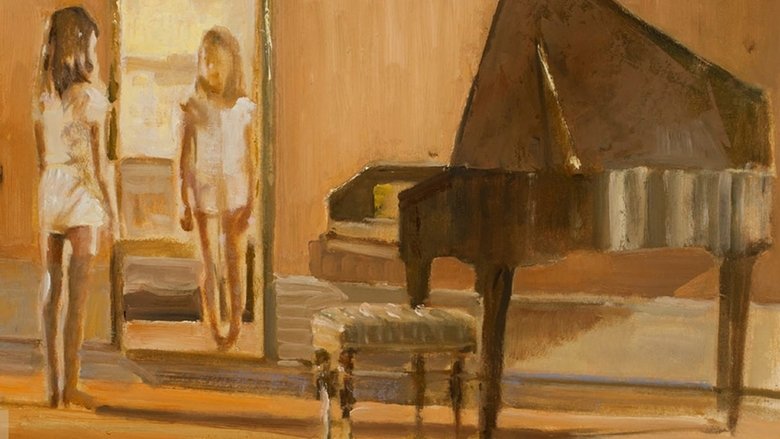
The piano symbolizes both Charlotte's art, which is the source of her success and her emotional distance, and the arena of their conflict. Chopin's Prelude No. 2 in A minor becomes a vehicle for their power struggle. It represents pain, anguish, and suppressed emotion. Charlotte's technical, "correct" interpretation contrasts with Eva's more emotional, yet flawed, performance, highlighting their different approaches to life and feeling.
The pivotal scene occurs when Eva plays the prelude for her mother, hoping for approval. Charlotte, after offering faint praise, proceeds to deconstruct Eva's performance and demonstrates how it 'should' be played, effectively using her artistic superiority to belittle her daughter and reassert her dominance. This moment encapsulates their entire dynamic in a single, devastating interaction.
Helena
Helena, paralyzed and barely able to speak, is a living symbol of Charlotte's neglect and the devastating consequences of her absence. Eva even suggests that her mother's emotional abandonment is the root cause of Helena's illness. Helena represents the silenced, damaged part of the family, a constant, uncomfortable reminder of the trauma that Charlotte has tried to escape. Her physical state mirrors the emotional paralysis of the family.
Charlotte is shocked and dismayed to find Helena living with Eva, having preferred to keep her in a care facility, out of sight and mind. Throughout the film, Helena's cries and physical struggles punctuate the main confrontation between mother and daughter, a raw, visceral expression of the pain they are articulating. Her desperate cry for "Mama" at the climax is a primal scream for the maternal love she was denied.
The Season of Autumn
The title itself is deeply symbolic. Autumn represents a time of harvest, of reaping what has been sown, which in the film is the emotional fallout of Charlotte's life choices. It is also a season preceding winter, suggesting an approach towards the end of life, decay, and death, reflecting Charlotte's age and the potential finality of this confrontation. The warm, autumnal colors of the cinematography create a visual irony against the emotional coldness of the characters' interactions.
The entire film is set during the autumn season in a rural Norwegian parsonage. The earthy, muted colors of the setting and wardrobe constantly reinforce the film's title and themes. The season provides a melancholic, beautiful, yet dying backdrop to the emotional storm unfolding within the house.
Philosophical Questions
Can a life dedicated to art justify emotional neglect?
The film relentlessly explores this question through Charlotte's character. She is a world-class artist who has achieved professional success at the cost of her family's emotional well-being. While she defends herself by claiming music was her only outlet for feeling, the film presents the devastating consequences of her choices through the suffering of Eva and Helena. Bergman doesn't offer a simple answer, instead forcing the audience to weigh the value of artistic creation against the fundamental human responsibilities of love and care.
Is it possible to escape the psychological patterns inherited from our parents?
"Autumn Sonata" strongly suggests that the emotional wounds and inadequacies of one generation are passed down to the next. Charlotte reveals her own loveless childhood as the source of her inability to be a loving mother. Eva, in turn, feels she is incapable of receiving love and is defined by her mother's neglect. The film's cyclical ending, with Eva once again reaching out to her mother, raises the bleak possibility that these inherited patterns are nearly impossible to break.
Does confronting past trauma lead to healing or further destruction?
The central event of the film is a brutal, night-long confrontation with the past. Eva unleashes a lifetime of suppressed anger, which is a form of emotional catharsis. However, the immediate aftermath is not healing but separation and deeper pain. Charlotte flees, and Eva is left with guilt and thoughts of suicide. The film leaves it ambiguous whether this painful unearthing of the past is a necessary step toward eventual healing or an act that has irrevocably shattered an already fragile bond, making things worse.
Core Meaning
Ingmar Bergman's "Autumn Sonata" is a profound meditation on the enduring and often painful legacy of familial relationships, particularly the intricate and fraught bond between a mother and daughter. The film posits that the emotional wounds inflicted in childhood reverberate throughout a person's life, shaping their identity, their capacity for love, and their own parental behaviors. It explores the cyclical nature of trauma, suggesting that a parent's unresolved pain and emotional shortcomings are often passed down to their children, as if an umbilical cord had never been severed. Furthermore, the film delves into the conflict between art and life, questioning whether a life dedicated to artistic perfection can justify the emotional cost to one's family. Ultimately, "Autumn Sonata" is a raw and unflinching examination of the possibility, or impossibility, of true reconciliation when confronted with a painful past, leaving the audience to ponder whether understanding can ever truly lead to forgiveness.