Autumn Sonata
An intimate and emotionally raw chamber drama that unfolds like a haunting melody, exploring the dissonant chords of a mother-daughter relationship against a backdrop of autumnal melancholy.
Autumn Sonata

Autumn Sonata

Höstsonaten

"A mother and a daughter. What a terrible combination of feelings, confusion and destruction."

08 October 1978 Germany 93 min ⭐ 8.0 (654)
Director: Ingmar Bergman
Cast: Ingrid Bergman, Liv Ullmann, Lena Nyman, Halvar Björk, Marianne Aminoff
Drama
The Mother-Daughter Dynamic Art vs. Life The Inescapable Past and Memory Guilt and Forgiveness

Overview

"Autumn Sonata" tells the story of Eva, the wife of a rural pastor, who invites her estranged mother, Charlotte, a world-renowned concert pianist, to visit after a seven-year absence. Charlotte's arrival, following the death of her long-time companion, initially brings a fragile sense of reconciliation. However, the reunion is short-lived as long-suppressed resentments and painful memories begin to surface.

The presence of Eva's younger sister, Helena, who suffers from a severe degenerative disease and has been cared for by Eva, adds another layer of tension and unspoken accusation. Over the course of one long, soul-baring night, Eva confronts Charlotte with a lifetime of perceived neglect, emotional manipulation, and the profound impact of her mother's career-focused life on her children. The film meticulously dissects their complex bond, filled with a tormented love, guilt, and the desperate, perhaps futile, search for understanding and forgiveness.

Core Meaning

Ingmar Bergman's "Autumn Sonata" is a profound meditation on the enduring and often painful legacy of familial relationships, particularly the intricate and fraught bond between a mother and daughter. The film posits that the emotional wounds inflicted in childhood reverberate throughout a person's life, shaping their identity, their capacity for love, and their own parental behaviors. It explores the cyclical nature of trauma, suggesting that a parent's unresolved pain and emotional shortcomings are often passed down to their children, as if an umbilical cord had never been severed. Furthermore, the film delves into the conflict between art and life, questioning whether a life dedicated to artistic perfection can justify the emotional cost to one's family. Ultimately, "Autumn Sonata" is a raw and unflinching examination of the possibility, or impossibility, of true reconciliation when confronted with a painful past, leaving the audience to ponder whether understanding can ever truly lead to forgiveness.

Thematic DNA

The Mother-Daughter Dynamic 35%
Art vs. Life 25%
The Inescapable Past and Memory 20%
Guilt and Forgiveness 20%

The Mother-Daughter Dynamic

This is the central theme, exploring the complex, often destructive, relationship between Charlotte and Eva. The film presents their bond as a "terrible combination of feelings and confusion and destruction." It delves into the idea that a mother's failures and unhappiness are inevitably handed down to her daughter. The narrative is a long, painful confrontation where Eva finally voices years of resentment for her mother's neglect, criticism, and emotional absence, while Charlotte struggles to defend her life choices.

Art vs. Life

"Autumn Sonata" intensely scrutinizes the sacrifices made in the pursuit of artistic greatness. Charlotte, the successful concert pianist, has prioritized her career over her family, leading to the emotional devastation of her daughters. The film questions whether a dedication to art can be a valid excuse for failing in one's human relationships. Charlotte herself admits she could only express her feelings through music, suggesting her art was both a refuge and a prison that detached her from genuine connection.

The Inescapable Past and Memory

The film demonstrates how past traumas and unresolved conflicts continue to shape the present. The entire narrative is driven by Eva's need to confront the painful memories of her childhood. Through dialogue and flashbacks, the audience pieces together a history of neglect and psychological manipulation. The film suggests that one cannot move forward without acknowledging and understanding the past, even if that process is excruciating and offers no easy resolution.

Guilt and Forgiveness

Both characters grapple with immense guilt. Eva feels guilt over her resentment and the confrontation she instigates, while Charlotte is forced to confront the guilt of her maternal failings. The possibility of forgiveness hangs over the entire film, but Bergman leaves it ambiguous. Eva's final letter is an attempt at reconciliation, but it is uncertain if Charlotte will receive it or be capable of accepting it, leaving the question of whether true forgiveness is possible unanswered.

Character Analysis

Charlotte Andergast

Ingrid Bergman

Archetype: The Narcissistic Artist
Key Trait: Self-absorbed

Motivation

Her primary motivation is the preservation of her self-image as a great artist and a beloved figure. She craves admiration and avoids genuine emotional confrontation. She is also driven by a deep-seated insecurity and an inability to give or receive love, a trait she inherited from her own parents. Her art is her only means of feeling and expression, but it has also served as an escape from the responsibilities of human connection.

Character Arc

Charlotte begins the film as a glamorous, self-absorbed, and charming concert pianist, seemingly seeking comfort after the death of her partner. As the night progresses, Eva's accusations strip away her polished facade, forcing her to confront the profound selfishness and emotional inadequacy that has defined her life. While she expresses remorse and even acknowledges her own loveless childhood, her arc is ambiguous. She flees the morning after the confrontation, suggesting a retreat into her old ways, leaving it unclear if she has truly changed or is capable of it.

Eva

Liv Ullmann

Archetype: The Wounded Daughter
Key Trait: Yearning

Motivation

Eva is motivated by a desperate, lifelong yearning for her mother's love, recognition, and approval. Her invitation is a carefully orchestrated, perhaps subconscious, attempt to finally confront her mother and hold her accountable for the past. She is also driven by the need to care for others, like her husband and sister, possibly as a way to compensate for the maternal care she never received.

Character Arc

Eva starts as a reserved, gentle, and seemingly content pastor's wife who has suppressed a lifetime of pain. The visit from her mother acts as a catalyst, unleashing years of pent-up rage, resentment, and grief. Through the brutal confrontation, she finds her voice and forces a reckoning. However, her arc also ends in ambiguity. After the catharsis of her anger, she is overcome with guilt and writes a letter seeking reconciliation, suggesting she may be trapped in a cycle of seeking her mother's love and approval.

Viktor

Halvar Björk

Archetype: The Compassionate Observer
Key Trait: Patient

Motivation

Viktor is motivated by a deep and patient love for Eva. He wants to see her find peace and healing. He provides a quiet, stable environment for her, acting as a compassionate onlooker to her emotional turmoil. His motivation is to support her, even when that means allowing her to go through a destructive and painful encounter.

Character Arc

Viktor's character remains relatively static, serving as a stable, grounding presence. He opens the film by addressing the audience, providing context for Eva's emotional state. He is aware of the deep pain his wife carries and loves her despite her inability to fully receive it. He chooses not to intervene in the confrontation between Eva and Charlotte, recognizing it as a necessary, albeit painful, process. He is the one who reads Eva's final letter, reinforcing his role as a supportive and understanding witness.

Helena

Lena Nyman

Archetype: The Living Wound
Key Trait: Suffering

Motivation

Helena's motivation is primal and simple: she yearns for her mother's love and attention. Despite her physical limitations, her desires are expressed through her moans and the few words Eva can interpret. She represents the fundamental, childlike need for a mother that has been profoundly and tragically unmet.

Character Arc

Helena's arc is primarily symbolic. Her physical condition is presented as having worsened over the years of her mother's absence. Her presence throughout the film is a constant, agonizing reminder of the family's deep-seated trauma. Her climax comes when she drags herself from her bed, crying out for her mother in a moment of pure, unfiltered agony, representing the culmination of all the unspoken pain in the house.

Symbols & Motifs

The Piano / Chopin's Prelude No. 2

Meaning:

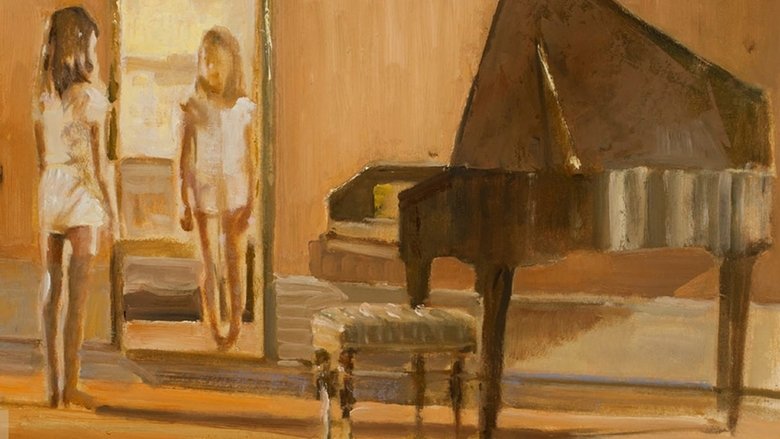
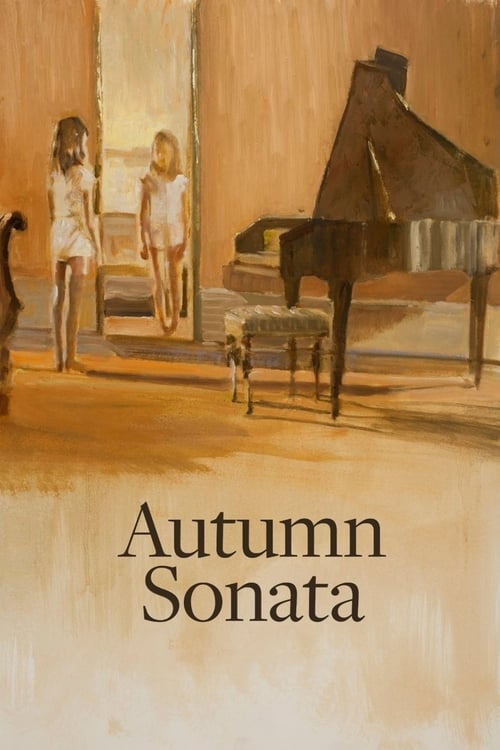
The piano symbolizes both Charlotte's art, which is the source of her success and her emotional distance, and the arena of their conflict. Chopin's Prelude No. 2 in A minor becomes a vehicle for their power struggle. It represents pain, anguish, and suppressed emotion. Charlotte's technical, "correct" interpretation contrasts with Eva's more emotional, yet flawed, performance, highlighting their different approaches to life and feeling.

Context:

The pivotal scene occurs when Eva plays the prelude for her mother, hoping for approval. Charlotte, after offering faint praise, proceeds to deconstruct Eva's performance and demonstrates how it 'should' be played, effectively using her artistic superiority to belittle her daughter and reassert her dominance. This moment encapsulates their entire dynamic in a single, devastating interaction.

Helena

Meaning:

Helena, paralyzed and barely able to speak, is a living symbol of Charlotte's neglect and the devastating consequences of her absence. Eva even suggests that her mother's emotional abandonment is the root cause of Helena's illness. Helena represents the silenced, damaged part of the family, a constant, uncomfortable reminder of the trauma that Charlotte has tried to escape. Her physical state mirrors the emotional paralysis of the family.

Context:

Charlotte is shocked and dismayed to find Helena living with Eva, having preferred to keep her in a care facility, out of sight and mind. Throughout the film, Helena's cries and physical struggles punctuate the main confrontation between mother and daughter, a raw, visceral expression of the pain they are articulating. Her desperate cry for "Mama" at the climax is a primal scream for the maternal love she was denied.

The Season of Autumn

Meaning:

The title itself is deeply symbolic. Autumn represents a time of harvest, of reaping what has been sown, which in the film is the emotional fallout of Charlotte's life choices. It is also a season preceding winter, suggesting an approach towards the end of life, decay, and death, reflecting Charlotte's age and the potential finality of this confrontation. The warm, autumnal colors of the cinematography create a visual irony against the emotional coldness of the characters' interactions.

Context:

The entire film is set during the autumn season in a rural Norwegian parsonage. The earthy, muted colors of the setting and wardrobe constantly reinforce the film's title and themes. The season provides a melancholic, beautiful, yet dying backdrop to the emotional storm unfolding within the house.

Memorable Quotes

A mother and a daughter, what a terrible combination of feelings and confusion and destruction.

— Eva

Context:

Eva says this during the height of her nocturnal confrontation with Charlotte, after she has laid bare many of her childhood grievances. It is a moment of bitter realization, summarizing the emotional wreckage she is describing.

Meaning:

This line encapsulates the core theme of the film. It expresses Eva's profound disillusionment with the idealized concept of the mother-daughter relationship, reframing it as a source of immense pain and psychological conflict. It speaks to the destructive potential of this most intimate of bonds when it is damaged by neglect and misunderstanding.

The mother's injuries are to be handed down to the daughter. The mother's failures are to be paid for by the daughter. The mother's unhappiness is to be the daughter's unhappiness. It's as if the umbilical cord had never been cut.

— Eva

Context:

This is part of Eva's long, accusatory monologue to Charlotte. She is trying to make her mother understand the depth and origin of her pain, seeing it not just as a series of isolated incidents but as a fundamental and enduring legacy of her mother's own brokenness.

Meaning:

This quote powerfully articulates the theme of inherited, cyclical trauma. Eva theorizes that her own inability to feel loved and her deep unhappiness are direct inheritances from Charlotte. The metaphor of the uncut umbilical cord suggests an inescapable, almost parasitic connection where the daughter is forever tethered to her mother's emotional pathologies.

I was quite ignorant of everything to do with love. Tenderness, contact, intimacy, warmth. I could only express my feelings in music.

— Charlotte

Context:

Charlotte says this in a moment of vulnerability during the confrontation with Eva, after being broken down by her daughter's accusations. She is attempting to explain why she is the way she is, revealing that she too is a victim of a cold upbringing.

Meaning:

This is Charlotte's most direct confession and self-analysis. She admits her emotional illiteracy, tracing it back to her own loveless childhood. It serves as both an explanation and a defense for her maternal failings. It highlights the film's theme of Art vs. Life, showing how she used her music as a substitute for genuine human connection.

Philosophical Questions

Can a life dedicated to art justify emotional neglect?

The film relentlessly explores this question through Charlotte's character. She is a world-class artist who has achieved professional success at the cost of her family's emotional well-being. While she defends herself by claiming music was her only outlet for feeling, the film presents the devastating consequences of her choices through the suffering of Eva and Helena. Bergman doesn't offer a simple answer, instead forcing the audience to weigh the value of artistic creation against the fundamental human responsibilities of love and care.

Is it possible to escape the psychological patterns inherited from our parents?

"Autumn Sonata" strongly suggests that the emotional wounds and inadequacies of one generation are passed down to the next. Charlotte reveals her own loveless childhood as the source of her inability to be a loving mother. Eva, in turn, feels she is incapable of receiving love and is defined by her mother's neglect. The film's cyclical ending, with Eva once again reaching out to her mother, raises the bleak possibility that these inherited patterns are nearly impossible to break.

Does confronting past trauma lead to healing or further destruction?

The central event of the film is a brutal, night-long confrontation with the past. Eva unleashes a lifetime of suppressed anger, which is a form of emotional catharsis. However, the immediate aftermath is not healing but separation and deeper pain. Charlotte flees, and Eva is left with guilt and thoughts of suicide. The film leaves it ambiguous whether this painful unearthing of the past is a necessary step toward eventual healing or an act that has irrevocably shattered an already fragile bond, making things worse.

Alternative Interpretations

The ending of "Autumn Sonata" is deliberately ambiguous and has been subject to various interpretations. One perspective is that the final scene, where Eva writes a letter expressing hope for reconciliation, offers a glimmer of optimism. It suggests that despite the painful confrontation, the possibility of connection and forgiveness remains. The catharsis, however brutal, may have opened a path for a more honest, if still difficult, relationship.

Conversely, a more pessimistic reading, which Ingmar Bergman himself reportedly favored, is that the confrontation has cemented their hatred and that no true reconciliation is possible. From this viewpoint, Eva's letter is not a sign of hope but a return to her old pattern of seeking love from a source incapable of providing it, trapping her in a tragic cycle. Charlotte's departure on the train, where she quickly reverts to her self-absorbed persona, supports this interpretation. The final shot of Viktor sealing the letter leaves its fate, and their relationship's future, profoundly uncertain.

Another interpretation focuses on Eva's own agency. The confrontation, regardless of the outcome with her mother, could be seen as a crucial step in her own psychological development. By finally giving voice to her rage and pain, she may have liberated herself from a lifetime of suppression, even if her relationship with her mother remains unresolved.

Cultural Impact

"Autumn Sonata" was released in the autumnal phase of Ingmar Bergman's career and is considered one of his most powerful and accessible chamber pieces. It had a significant cultural impact primarily through its unflinching and psychologically astute depiction of a dysfunctional mother-daughter relationship, a theme it explores with a raw intensity that was groundbreaking. The film resonated deeply with audiences and critics for its universal themes of familial strife, guilt, and the conflict between professional ambition and personal life.

The casting of Ingrid Bergman in her final big-screen role was a major event. Her performance, which drew parallels to her own well-publicized personal life and difficult relationship with her daughter, Pia Lindström, added a layer of meta-narrative to the film that was not lost on critics or audiences. The film cemented Ingmar Bergman's reputation as a master of psychological drama and an unparalleled director of actors. Its influence can be seen in numerous subsequent films and plays that explore intense family dynamics and rely on powerful dialogue and performance over action. The film has been adapted into a stage play and even an opera, demonstrating its enduring power and relevance in dissecting the complexities of human relationships.

Audience Reception

Upon its release and in the decades since, "Autumn Sonata" has been widely praised by audiences for its powerful and emotionally intense performances, particularly from Ingrid Bergman and Liv Ullmann. Viewers frequently comment on the film's raw, realistic, and often painful depiction of a dysfunctional mother-daughter relationship, with many finding it deeply relatable and moving. The screenplay is often singled out for its psychological depth and devastatingly honest dialogue.

Points of criticism are less common but sometimes center on the film's unrelenting bleakness and theatrical, talk-heavy nature, which some viewers find emotionally exhausting or overly melodramatic. The character of Charlotte can be polarizing; while some see her as a tragically flawed figure, others view her as an irredeemable narcissist, making it difficult to find sympathy for her position. The film's ambiguous ending is also a point of discussion, with some finding it profoundly realistic while others might find it unsatisfying. Overall, the verdict from audiences who appreciate intense character-driven drama is overwhelmingly positive, citing it as a masterclass in acting and a profound exploration of family dynamics.

Interesting Facts

  • "Autumn Sonata" was the only collaboration between director Ingmar Bergman and actress Ingrid Bergman, who were not related.
  • This was Ingrid Bergman's final role in a theatrical film; she was battling cancer during the production.
  • Ingmar Bergman wrote the screenplay while in self-imposed exile from Sweden due to accusations of tax evasion, which were later dismissed.
  • The film was shot in Norway, though the dialogue is in Swedish and most of the cast and crew were Swedish.
  • Director Ingmar Bergman and star Ingrid Bergman reportedly had a contentious relationship on set, clashing over the character of Charlotte and the dialogue.
  • The piano pieces played in the film were performed by Käbi Laretei, a concert pianist who was once married to Ingmar Bergman. Her hands are the ones seen in close-ups of the piano playing.
  • Liv Ullmann, who plays Eva, had a daughter, Linn Ullmann, with Ingmar Bergman. The personal experiences of the director and two lead actresses with motherhood and career were a palpable undercurrent to the film's production.

⚠️ Spoiler Analysis

Click to reveal detailed analysis with spoilers

Frequently Asked Questions

Explore More About This Movie

Dive deeper into specific aspects of the movie with our detailed analysis pages

Comments (0)

Leave a comment

No comments yet. Be the first to share your thoughts!