"Fire. Air. Water. Earth"
Avatar: The Last Airbender - Symbolism & Philosophy
Symbols & Motifs
The Avatar State
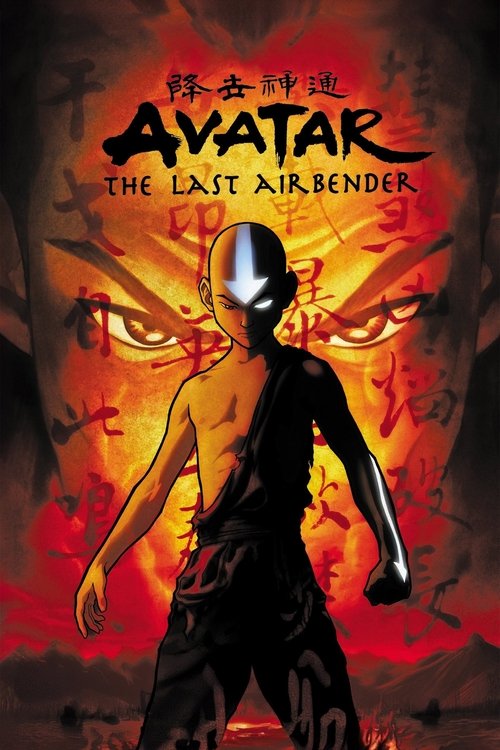
The Avatar State symbolizes immense power, spiritual connection, and the weight of history. It represents the ultimate fusion of the current Avatar with the collective knowledge and power of all their past lives. It is a visual metaphor for the immense responsibility on the Avatar's shoulders and the delicate balance between control and destruction.
The Avatar State is activated in moments of extreme emotional distress or mortal danger for Aang. When his eyes and tattoos glow, he can perform incredible feats of bending but is also at his most vulnerable. A major part of Aang's journey is learning to control this state, moving from it being a reactive defense mechanism to a tool he can consciously access, symbolizing his maturation and acceptance of his role.
The White Lotus
The Order of the White Lotus symbolizes wisdom, philosophy, and the unity of different cultures beyond national allegiances. It represents the idea that knowledge, beauty, and a shared commitment to peace and balance can connect people from all four nations, even during a time of global conflict.
Initially appearing as a simple Pai Sho tile, the White Lotus is revealed to be the symbol of a secret, ancient society of which Uncle Iroh is a Grand Master. Members include masters and sages from across the world (King Bumi, Pakku, Jeong Jeong, Piandao). They operate in secret throughout the series, finally revealing themselves in the finale to liberate the city of Ba Sing Se, demonstrating their collective power and vision for a unified world.
Zuko's Scar
Zuko's facial scar is a physical manifestation of his internal pain, shame, and the trauma inflicted by his abusive father, Fire Lord Ozai. It symbolizes his banishment, his obsessive quest for honor, and the internal conflict that defines his character arc.
Received in an Agni Kai (a firebending duel) after he spoke out of turn against a general's plan, the scar is a constant reminder of his perceived dishonor. His journey throughout the series is one of healing this internal wound. As he begins to choose his own path and redefine his honor, the scar, while remaining, no longer defines him. It becomes a symbol of his past suffering and his ultimate resilience.
Appa and Momo
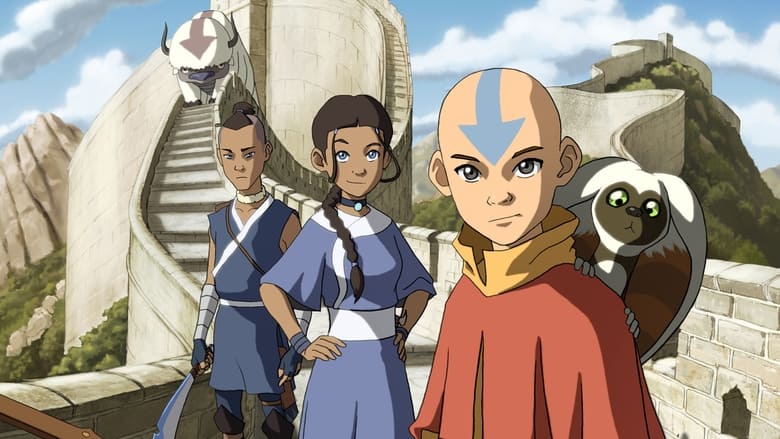
Aang's animal companions, Appa the sky bison and Momo the winged lemur, symbolize the lost Air Nomad culture and the natural world. They are the last known living examples of their species, mirroring Aang's status as the last airbender. They represent innocence, loyalty, and Aang's connection to his past and to all living things.
Appa and Momo are constant companions to Team Avatar, providing transport, comic relief, and emotional support. The episode "Appa's Lost Days" is a powerful exploration of this symbolism, highlighting the cruelty of animal trafficking and the deep emotional bond between Aang and Appa. Their survival is a beacon of hope for the restoration of the world.
Philosophical Questions
Is violence ever justified to achieve peace?
This is the central moral dilemma Aang faces in the finale. Raised as a pacifist Air Nomad who believes all life is sacred, he is told by his past lives and his friends that he must kill Fire Lord Ozai to end the war. The series spends significant time exploring this conflict. Aang seeks alternatives, consulting past Avatars who advocate for decisive, lethal action, and even a giant Lion Turtle who offers a third option. The series presents compelling arguments on both sides: the pragmatic necessity of eliminating a tyrant versus the spiritual cost of taking a life. Aang's ultimate solution—energybending—is a powerful narrative choice that suggests it's possible to defeat evil without compromising one's core principles, though the series acknowledges this is an extraordinary power not available to everyone, leaving the broader question open.
Can one escape the legacy of one's family and nation?
This question is the foundation of Zuko's entire character arc. He is born into a legacy of tyranny and raised to believe his sole purpose is to serve the Fire Nation's imperialist ambitions and earn the approval of his abusive father. His journey is a constant struggle against this indoctrination. The revelation that he is also the great-grandson of Avatar Roku complicates this, showing he has a dual legacy of both great good and great evil. The series explores how Zuko must actively unlearn the toxic lessons of his upbringing and choose to forge a new legacy for himself and his nation, ultimately arguing that while the past is a powerful influence, it does not have to be a prison.
What is the nature of balance in a world of conflict?
The series explores the concept of balance on micro and macro levels. For the Avatar, it's about mastering the four elements, which are often in opposition. For the world, it's about harmony between the four nations. The Fire Nation's war creates a global imbalance by asserting one element's superiority. The show suggests that true balance isn't about the absence of conflict or emotion, but about acknowledging and integrating different forces. Iroh teaches Zuko that firebending's power comes from breath and life, not just rage. Aang must learn to be decisive and powerful (Earth and Fire) to balance his naturally evasive and peaceful nature (Air and Water). The series posits that harmony comes from respecting the distinct but interconnected parts of a whole.
Core Meaning
The core meaning of Avatar: The Last Airbender is a profound exploration of hope, change, and the power of choice in the face of overwhelming adversity. The creators intended to convey that one's destiny is not predetermined by birth or societal expectations, but is instead forged through personal decisions, empathy, and the willingness to change. The series champions the idea that true balance, both internally and externally, comes from understanding and embracing different perspectives. It delves into the complexities of war, showing that there is no inherent evil in any one group of people, but rather that corruption, indoctrination, and the thirst for power can lead anyone astray. Ultimately, the show's message is one of redemptive power, emphasizing that compassion, forgiveness, and the bonds of a found family are the most powerful forces for healing a broken world.