The film concludes with the heartbreaking reality that L-Dopa is not a permanent cure for the post-encephalitic condition. Leonard begins to develop severe involuntary tics—a side effect of the high doses of dopamine—and eventually regresses into his previous catatonic state. The other patients follow suit, returning to their "frozen" conditions as the "chemical window" closes. However, the true ending is found in the transformation of Dr. Sayer. He realizes that while he could not save the patients medically, the experience has permanently changed him. The final scene shows Sayer finally asking Nurse Eleanor for coffee, signifying that he has successfully "awakened" from his own social isolation. The revelation is that the miracle was not the drug, but the realization that these people were always present, and their spirits reached out to teach the living how to truly appreciate existence.
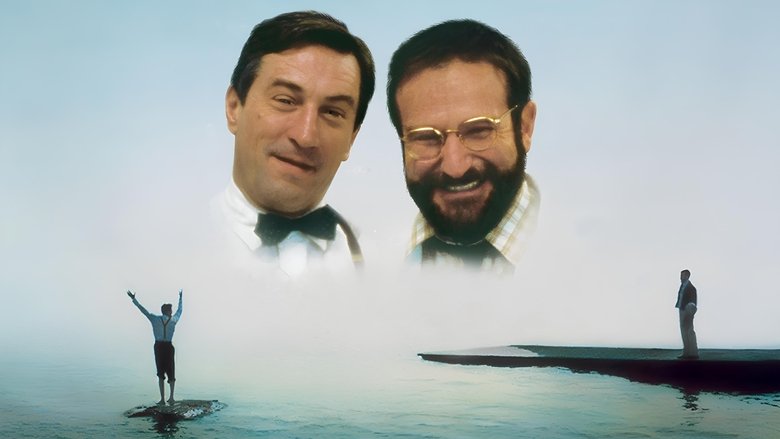

"There is no such thing as a simple miracle."
Director: Penny Marshall
Cast: Robert De Niro, Robin Williams, John Heard, Julie Kavner, Penelope Ann Miller
Awakenings — Ending Explained
⚠️ Spoiler Analysis
Alternative Interpretations
While typically viewed as a sentimental drama about medical hope, some alternative readings suggest a darker perspective. Critics have argued the film serves as a cautionary tale about the cruelty of hope; by awakening the patients only to have them lose their freedom again, the medical intervention is seen by some as a psychological torture worse than the original illness. Another interpretation focuses on the meta-narrative of Sayer's social disability, suggesting that the patients are merely plot devices to facilitate the 'coming of age' of a middle-aged healthy man. Some viewers also see the film as a Flowers for Algernon-style tragedy where the horror lies in the characters' full awareness of their impending intellectual and physical decline.
Explore More About This Movie
Dive deeper into specific aspects of the movie with our detailed analysis pages