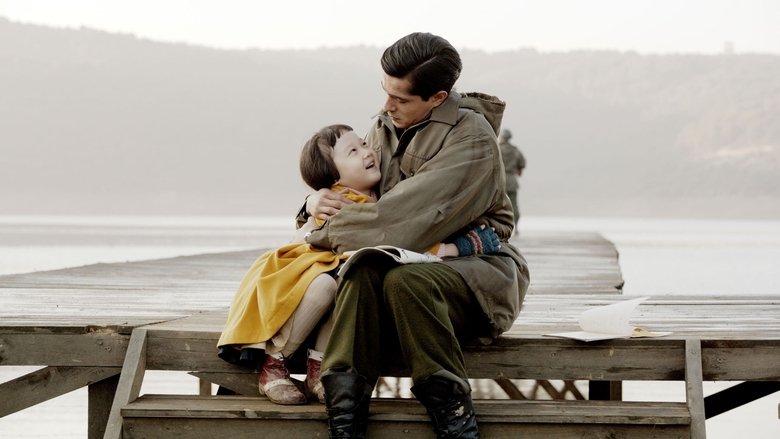
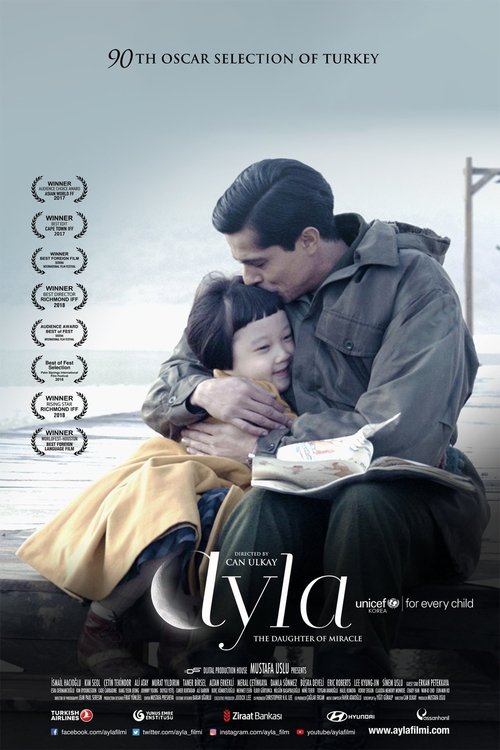
The plot of "Ayla: The Daughter of War" follows the true story of Sergeant Süleyman who finds a young Korean girl during the war in 1950. He names her Ayla and raises her as his own for over a year at the Turkish military base. When his service ends, Süleyman's desperate attempts to take Ayla with him to Turkey, including trying to smuggle her in a suitcase, fail due to regulations. He is forced to leave her at an orphanage (the Ankara School), promising to return.
Upon returning to Turkey, Süleyman finds his fiancée has married someone else. He eventually marries another woman, Nimet, who is incredibly supportive of his lifelong quest to find his Korean daughter. For decades, his search is fruitless as Ayla's records were lost and her name was changed to Kim Eun-ja.
The film's climax occurs 60 years later. Prompted by a commemoration event for Korean War veterans, Turkish and Korean journalists take up Süleyman's story. They manage to track down Kim Eun-ja by finding her old classmates from the orphanage. The twist is that she has never forgotten him either. The film culminates in their tearful, real-life reunion in South Korea, a moment amplified by the use of actual documentary footage of the event, bridging the gap between fiction and the incredible true story. The ending reveals that their bond, forged in a brief but intense period, was powerful enough to survive sixty years of silence and separation.