Ayla
Ayla: The Daughter of War - Symbolism & Philosophy
Symbols & Motifs
The Moon (Ayla)
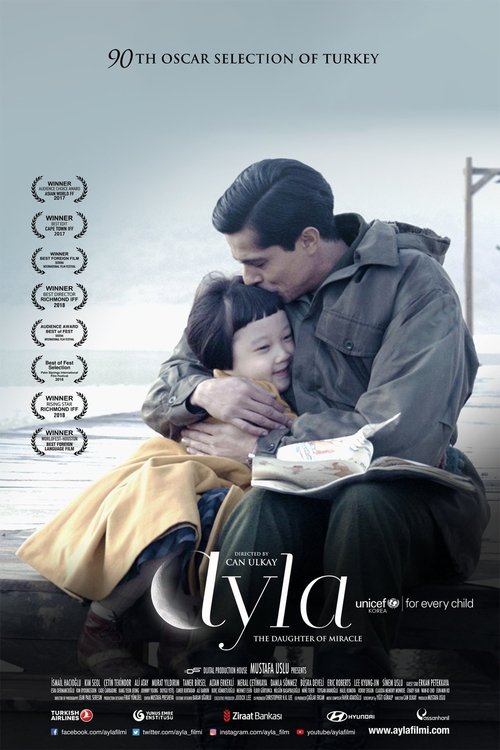
The moon symbolizes hope, guidance, and a constant, reassuring presence in the darkness. 'Ayla' means "halo of light around the moon" in Turkish. It represents the light and innocence that Süleyman finds amidst the darkness and death of the battlefield.
Süleyman names the little girl Ayla because he finds her in the moonlight and her face is round like the moon. The name itself becomes a symbol of their fateful meeting and the light she brought into his life and the lives of the other soldiers during a dark time.
The Photograph
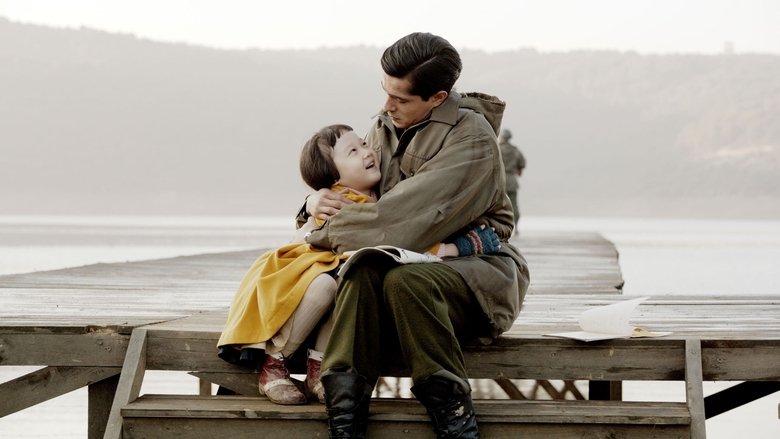
The photograph of Süleyman and Ayla represents a frozen moment of their happiness and a tangible piece of their shared past. It is the only physical proof of their bond that endures through the decades of separation, fueling the hope for their reunion.
Süleyman treasures his photographs of Ayla for 60 years. For Ayla (now Kim Eun-ja), seeing the photo again is what helps solidify her memories of her 'Turkish father' and confirms the reality of her past when journalists finally locate her.
Ankara School
The Ankara School, established by the Turkish troops for war orphans, symbolizes the constructive and compassionate legacy of the soldiers. It represents an investment in the future and a commitment to healing and education, moving beyond the immediate destruction of war.
After Süleyman is forced to leave, Ayla is placed in the Ankara School. This act shows a broader commitment by the Turkish forces to care for the Korean children affected by the war, providing a safe haven and a chance for a future.
Philosophical Questions
What defines family?
The film compellingly argues that family is not contingent on blood ties, but on love, sacrifice, and unwavering commitment. The bond between Süleyman and Ayla is that of a father and daughter in every emotional sense. The film challenges the viewer to consider what truly constitutes a family by presenting a relationship forged in crisis that proves more enduring than many conventional family ties.
Can humanity survive in the face of absolute brutality?
"Ayla" is an affirmative answer to this question. Set against the backdrop of a brutal war filled with death and destruction, the film's core is an act of profound compassion. Süleyman's choice to save Ayla, and the subsequent care she receives from the entire brigade, serves as a powerful testament to the resilience of the human spirit and its capacity for goodness even when surrounded by inhumanity.
What is the true cost of war?
Beyond the battlefield casualties, the film explores the deep, lifelong emotional scars of war. The central tragedy is the forced separation of a father and daughter, a wound that doesn't heal for 60 years. Director Can Ulkay explicitly stated his intention was to show that children are the ones most affected by war. The film posits that the true cost is measured in broken bonds, lost childhoods, and decades of longing.
Core Meaning
The central message of "Ayla: The Daughter of War" is that love, compassion, and the bonds of family transcend nationality, language, and the brutality of war. Director Can Ulkay aimed to highlight that children are the primary and most innocent victims of conflict, a message that remains profoundly relevant today. The film is a testament to the idea that humanity can flourish even in the most inhumane circumstances, showing how an act of kindness can forge a lifelong connection that defies time and distance. It explores the profound nature of fatherly love, which is not defined by blood but by commitment, sacrifice, and an unbreakable promise.