In the final act, Azur and Asmar enter the Hall of Lights together. They discover they cannot enter separately; Azur has the Warm Key and Asmar has the Perfumed Key, and both are needed. They enter simultaneously, refusing to fight. Inside, they find not one, but two fairies: the Djinn Fairy and her cousin, the Elf Fairy. Initially, they pair off by race (Azur with the blonde Elf Fairy, Asmar with the dark-haired Djinn Fairy). However, the film subverts this expectation: the fairies and princes admit they are attracted to the other. They swap partners—Azur marries the Djinn Fairy (uniting Europe with the Maghreb) and Asmar marries the Elf Fairy. This final twist cements the film's message that love transcends racial lines.
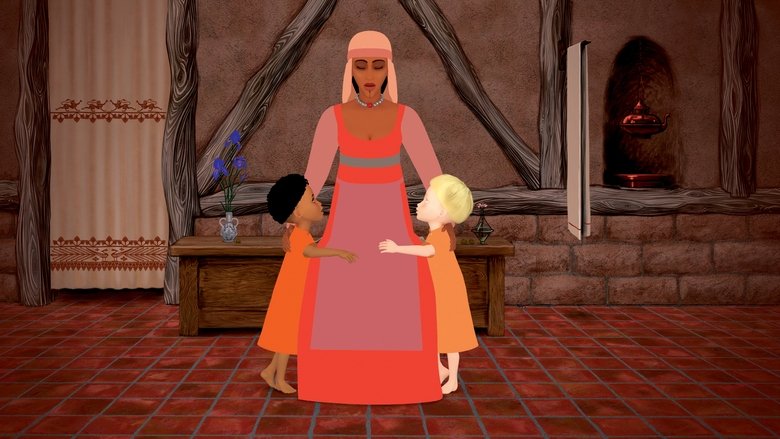
A vibrant animated fable celebrating cross-cultural brotherhood. Through the eyes of two estranged milk-brothers, it weaves a tapestry of tolerance, defying prejudice with the visual splendor of Persian miniatures and the wisdom of the Maghreb.
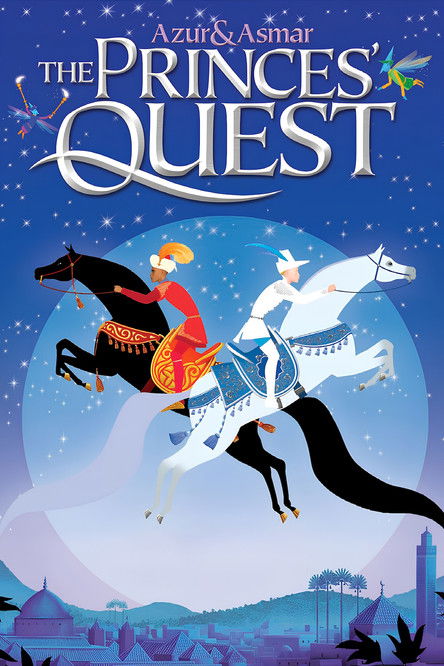
Azur & Asmar: The Princes' Quest
Azur et Asmar
25 October 2006
Belgium
99 min
7.7
(654)
Director: Michel Ocelot
Cast: Cyril Mourali, Rayan Mahjoub, Karim M'Ribah, Abdelsselem ben Amar, Hiam Abbass
Animation
Family
The Wealth of Dual Identity
Prejudice and Superstition
Brotherhood and Reconciliation
Language as a Bridge
Azur & Asmar: The Princes' Quest — Ending Explained
⚠️ Spoiler Analysis
Alternative Interpretations
Some critics view the film not just as a fable about racism, but as a critique of classism. Azur's father is the true villain, representing the rigid European aristocracy that creates division, while Jenane represents the fluidity of the merchant class that bridges worlds. Additionally, the ending where the couples 'swap' partners (Azur with the Djinn Fairy, Asmar with the Elf Fairy) can be interpreted as a subversion of the 'like with like' trope, rejecting racial segregation in romance. Others see Azur's feigned blindness as a metaphor for willful ignorance being a necessary shield against the harshness of societal judgment until one is strong enough to face it.
Explore More About This Movie
Dive deeper into specific aspects of the movie with our detailed analysis pages