
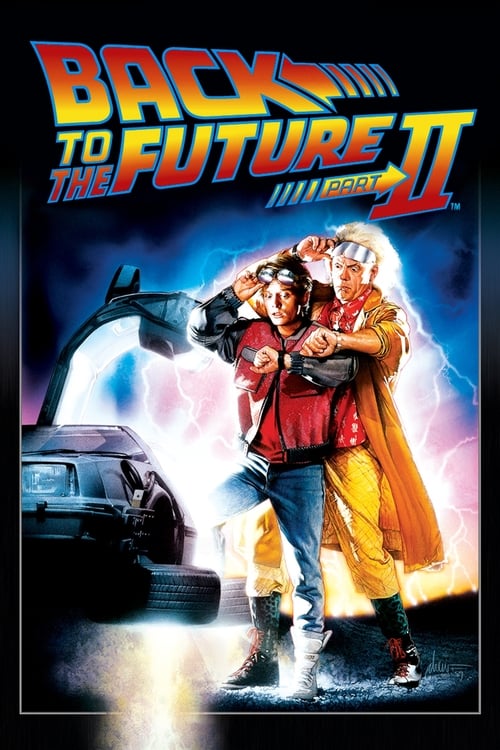
"Getting back was only the beginning."
Back to the Future Part II - Symbolism & Philosophy
Symbols & Motifs
Grays Sports Almanac
A symbol of greed and shortcuts. It represents the temptation to bypass the natural struggle of life using forbidden knowledge, serving as the catalyst for the film's conflict.
Marty buys it in a 2015 antique shop; it is later used by Old Biff to create the "Hell Valley" timeline.
The Hoverboard
A symbol of technological wonder and adaptability. Unlike the almanac, it represents the "positive" future—progress that is fun and useful but requires skill and effort to master.
Marty borrows it from a girl in 2015 to escape Griff, and it becomes a crucial tool during the 1955 tunnel chase.
The Clock Tower (Damaged)
Symbolizes wounded time. In the alternate 1985, the tower is surrounded by Biff’s gaudy casino, showing how commerce and corruption have literalized the "death" of the town’s history.
Visible in all three timelines, its changing state reflects the health of the Hill Valley community.
Philosophical Questions
Is it ethical to fix a life through temporal intervention?
The film starts with Doc intervening to save Marty's kids from prison. This raises the question: if the future is "unwritten," is it right to force a positive outcome, or does the intervention itself create a dependency that weakens the character's growth?
The Bootstrap Paradox and Originality
When characters interact with their past selves or bring knowledge back, the film asks if anything is truly "original" or if history is a self-sustaining loop where information has no clear point of origin.
Core Meaning
The film explores the ethical burden of knowledge and the fragility of fate. Director Robert Zemeckis uses the narrative to caution that even well-intentioned interference with time can yield unforeseen horrors. While the first film was a celebration of changing one's luck, the sequel serves as a darker meditation on the consequences of greed and the responsibility that comes with power. It posits that the future is a delicate construction of choices, and that attempting to "cheat" life—whether through gambling or shortcuts—inevitably leads to a corruption of the self and society.