The film's emotional weight hinges on the slow revelation of Waël's past. Through fragmented flashbacks, it is revealed that as a young boy in a war-torn country, Waël survived a horrific massacre by hiding under a bed. He subsequently had to navigate life as a street urchin, even pretending to be blind to survive, before finding a surrogate mother in Monique. This extreme trauma is the secret weapon he uses to break through to the troubled teens. In the final act, Waël doesn't just teach the kids; he actively intervenes in their dangerous lives—such as helping Ludo escape the clutches of a corrupt, abusive police officer, and addressing Shana's deeply buried abuse. By the film's conclusion, the youths are successfully integrated back into a path of hope, and Waël and Monique definitively abandon their life of petty crime, having finally found a legitimate purpose and a true family.
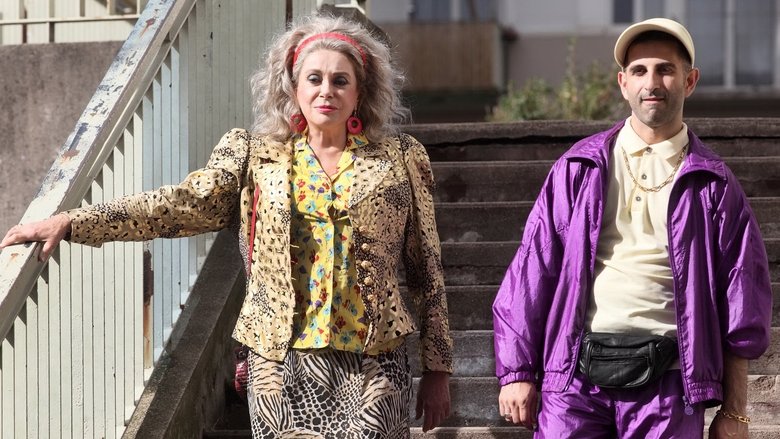
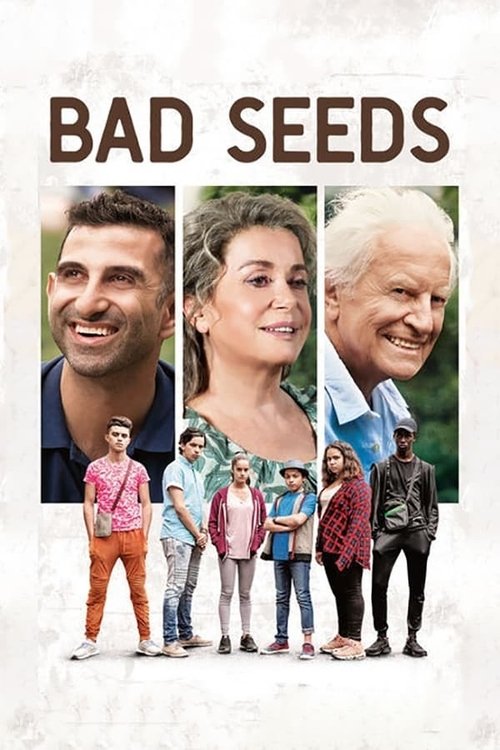
Mauvaises herbes
Director: Kheiron
Cast: Kheiron, Catherine Deneuve, André Dussollier, Hakou Benosmane, Leila Boumedjane
Bad Seeds — Ending Explained
⚠️ Spoiler Analysis
Alternative Interpretations
While the film is largely viewed as a heartwarming redemption story, some critics read it as a sharp critique of institutionalized education. From this perspective, the film argues that the state's rigid, formal methods are fundamentally incapable of reaching traumatized youth; only someone operating outside the law (Waël) possesses the genuine empathy required to save them. Another interpretation focuses on the psychological mirroring in the film: some viewers suggest that Waël never truly escaped the war zone of his childhood, and that he projects his own need to be saved onto the teenagers, making his mentorship as much an act of self-therapy as it is altruism.
Explore More About This Movie
Dive deeper into specific aspects of the movie with our detailed analysis pages