Mauvaises herbes
Bad Seeds - Symbolism & Philosophy
Symbols & Motifs
The "Bad Weeds" (Mauvaises Herbes)
The title itself is a metaphor for the troubled teenagers. In gardening, weeds are plants considered undesirable in a particular situation, often pulled and discarded. Here, they symbolize youth whom society has deemed worthless or problematic.
The symbol is contextualized immediately by the opening quote from Victor Hugo, establishing that these children only need the right "cultivator" to thrive, rather than being inherently bad.
The Shopping Cart
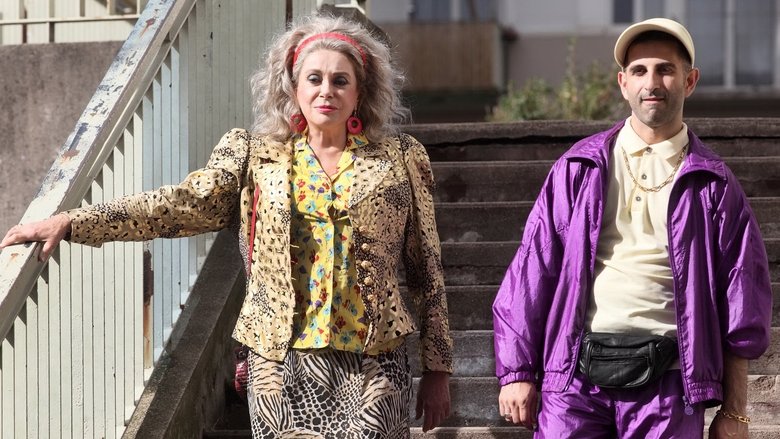
The shopping cart represents Waël and Monique's marginal, survivalist lifestyle, as well as their reliance on deception to navigate society.
It is featured prominently in their opening scam in the supermarket parking lot, setting the stage for their dynamic before they transition into legitimate roles at the youth center.
Waël's Childhood Flashbacks
The flashbacks act as a narrative symbol for the universality of suffering. They represent the invisible emotional baggage that every "problem child" carries with them.
The film deliberately cuts to these dark, desaturated memories whenever Waël connects with a student over their specific pain, drawing a direct line between a war zone and the socio-economic struggles of the Parisian suburbs.
Philosophical Questions
Are humans shaped more by their nature or their environment?
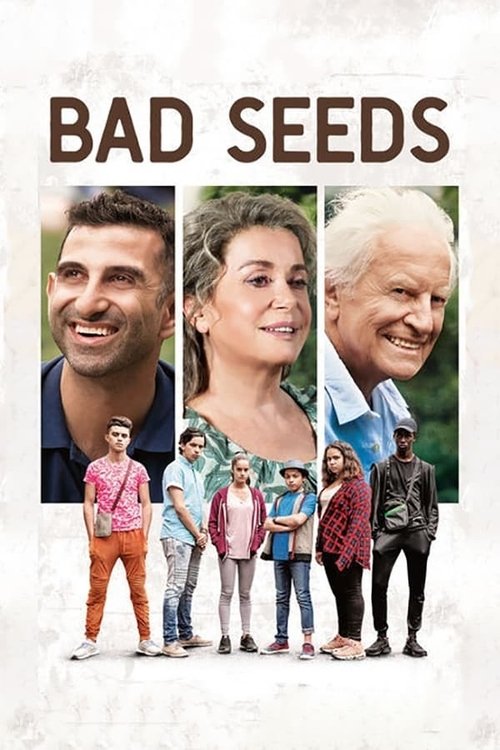
The film strongly advocates for the nurture side of the debate. Through the central Victor Hugo quote and the transformation of the six teenagers, the narrative explores how toxic environments create defensive, "bad" behavior, while a supportive, understanding environment allows inherent goodness to flourish.
Can morally questionable actions be justified if the outcome is inherently good?
Waël and Monique are criminals who lie, cheat, and steal. Even when Waël becomes an educator, he uses unorthodox, sometimes manipulative tactics to control the teens. The film asks the audience to consider whether the rigid rules of society matter if breaking them results in the salvation of traumatized children.
Core Meaning
The core message of Bad Seeds is rooted in a famous quote by Victor Hugo: "There are no bad plants or bad men. There are only bad cultivators." Director Kheiron uses this philosophy to challenge societal prejudices against marginalized youth and immigrants. The film argues that delinquent behavior is rarely born of innate malice; rather, it is a defensive symptom of unresolved trauma, neglect, and systemic failure.
Furthermore, the film highlights the universal nature of pain. By drawing a parallel between Waël's extreme survival in a war zone and the teens' struggles in the modern urban ghettos of France, the director suggests that empathy and shared vulnerability are the most effective tools for healing and redemption.