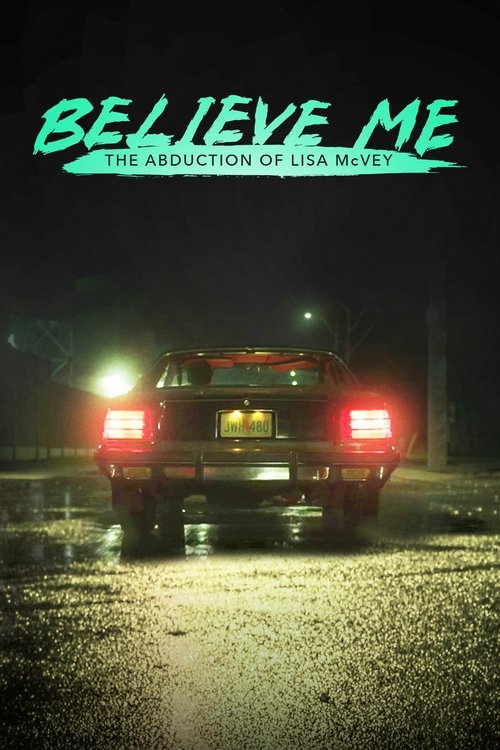
The entire plot of "Believe Me" hinges on Lisa McVey's remarkable psychological fortitude. Having written a suicide note earlier that day due to relentless sexual abuse by her grandmother's boyfriend, Lisa is abducted by serial killer Bobby Joe Long. For 26 hours, he holds her captive and repeatedly assaults her. The crucial turn of events is Lisa's strategic decision to feign empathy and build a rapport with Long. She uses reverse psychology, telling him she will be his girlfriend and understands his pain, which stems from being hurt by other women.
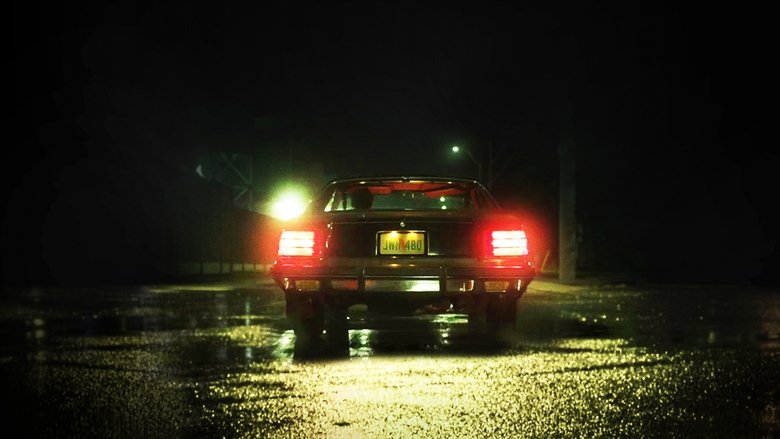
Simultaneously, she acts as her own detective. Peeking from under her blindfold, she memorizes details: the red interior of his car, the brand of his cigarettes, the route he takes, and an ATM he uses. She purposefully touches surfaces in his apartment to leave fingerprints and leaves her hair in his bathroom. Her plan works; Long, who had murdered all his previous victims, decides to release her near a tree, which she also memorizes.
Upon returning home, she faces the film's central conflict: no one believes her. Her family and the police are skeptical because of her calm demeanor and the sheer volume of details she provides, which they think she must have fabricated. The story's hero emerges in Sgt. Larry Pinkerton, the one detective who trusts her. Using Lisa's meticulous recollections, he and his team are able to retrace her journey, connect fibers from her clothes to other murder victims, identify Long from a bank receipt and a witness sketch, and ultimately arrest him at a movie theater. The ending reveals Lisa's complete triumph: her abuser is caught, she is removed from her toxic home life, and a postscript shows that the real Lisa went on to become a sheriff's deputy in the same department that saved her, dedicating her life to protecting others.