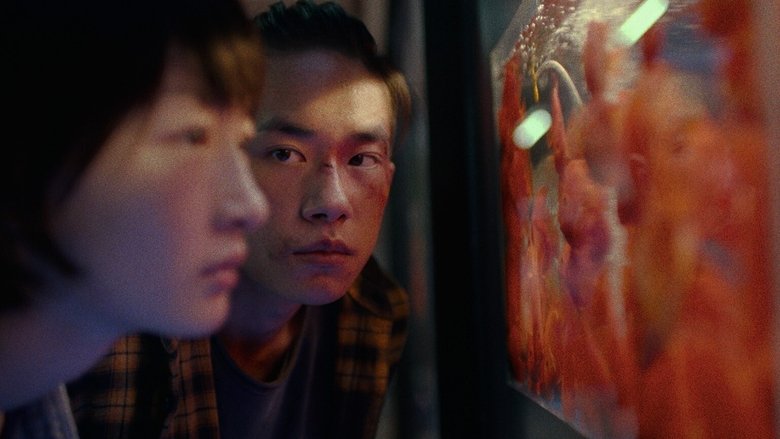
The core message of "Better Days" is a powerful indictment of societal indifference to the suffering of its youth, particularly in the face of pervasive issues like bullying and immense academic pressure. Director Derek Tsang aimed to raise awareness about the brutal reality of school violence and the systemic failures that allow it to fester. The film explores the idea that in an environment where adults and institutions fail to protect the vulnerable, the youth are forced to create their own moral codes and systems of justice, often with tragic consequences. It posits that true hope and resilience can be found in human connection and selfless sacrifice, as exemplified by the profound bond between Chen Nian and Xiao Bei. Ultimately, the film is a plea for empathy and a call to action, urging society to create a safer and more supportive environment for its young people to thrive.
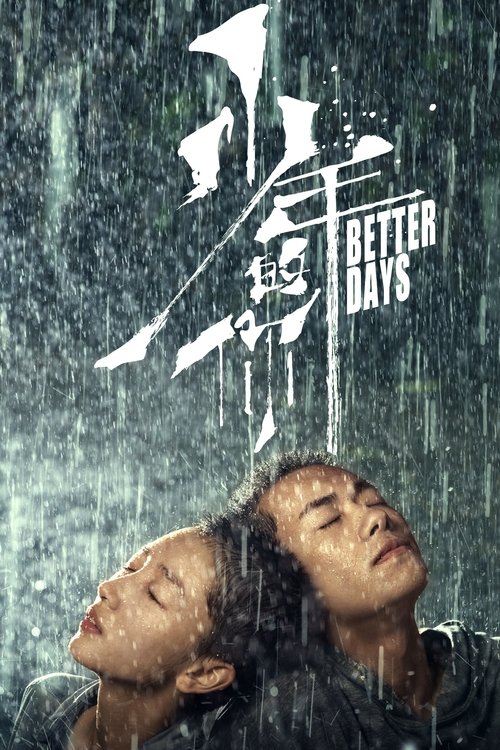
少年的你
"You protect the world. I'll protect you."
Director: Derek Tsang Kwok-Cheung
Cast: Zhou Dongyu, Jackson Yee, Yin Fang, Huang Jue, Wu Yue
Better Days — Symbolism & Philosophy
Symbols & Motifs
Shaved Heads
The act of shaving their heads symbolizes solidarity, defiance, and a shared identity in their suffering. It is a powerful visual representation of their bond and their rejection of societal norms and the cruelty they have endured. For Chen Nian, it is also a way of reclaiming her identity after the bullies forcibly cut her hair to humiliate her.
After Chen Nian is brutally attacked and her hair is crudely cut by the bullies, Xiao Bei shaves her head to even it out. In a moving act of solidarity, he then shaves his own head. This scene marks a turning point in their relationship, solidifying their unspoken commitment to one another.
The White Daisy
The white daisy, which Xiao Bei gives to Chen Nian, can be interpreted as a symbol of innocence, purity, and hope in the midst of their dark and violent world. It represents the fragile beauty of their connection and their yearning for a better life.
Xiao Bei places a small white daisy in a jar in his otherwise bleak home. He later gives it to Chen Nian, a small gesture of tenderness and hope in their grim reality.
The Hood of a Hoodie
The hood of a hoodie serves as a recurring visual motif symbolizing a desire for anonymity, protection, and escape from the harsh realities of their lives. It is a way for the characters to shield themselves from a world that is hostile and judgmental.
Both Chen Nian and Xiao Bei are frequently shown with their hoods up, especially when they are walking together or in moments of vulnerability. It is a visual representation of their shared desire to be invisible and safe from the threats that surround them.
Philosophical Questions
What is the nature of justice when the system fails?
The film deeply explores this question through the actions of Chen Nian and Xiao Bei. When the school authorities and the police are initially unable to protect Chen Nian, Xiao Bei steps in, offering a form of vigilante justice. This raises questions about whether their actions, including covering up a death, are justifiable in a context where the official channels of justice have proven ineffective. It forces the audience to consider the moral complexities of a situation where survival and loyalty clash with the letter of the law.
Can one truly escape their past and the trauma it holds?
"Better Days" suggests that while it is possible to survive and build a new life, the scars of the past remain. The final scene, with Xiao Bei still protectively following Chen Nian, implies that their shared trauma continues to define their relationship and their lives. Chen Nian's decision to become a teacher and protect a bullied student shows her attempt to transform her past suffering into something positive, but it also indicates that her experiences are never far from her mind. The film leaves the audience to ponder whether their "better days" are a complete absolution from the past or a continuous process of coping and healing.
What is the responsibility of the bystander in the face of injustice?
The film is a powerful critique of the bystander effect. The majority of Chen Nian's classmates witness her bullying but do nothing, either out of fear or indifference. Their inaction enables the bullies and contributes to Chen Nian's suffering. The film poses a difficult question to the audience: what is our responsibility when we witness injustice? It suggests that turning a blind eye is a form of complicity and that true change requires the courage to stand up for others, even when it is difficult or dangerous.
Core Meaning
Explore More About This Movie
Dive deeper into specific aspects of the movie with our detailed analysis pages