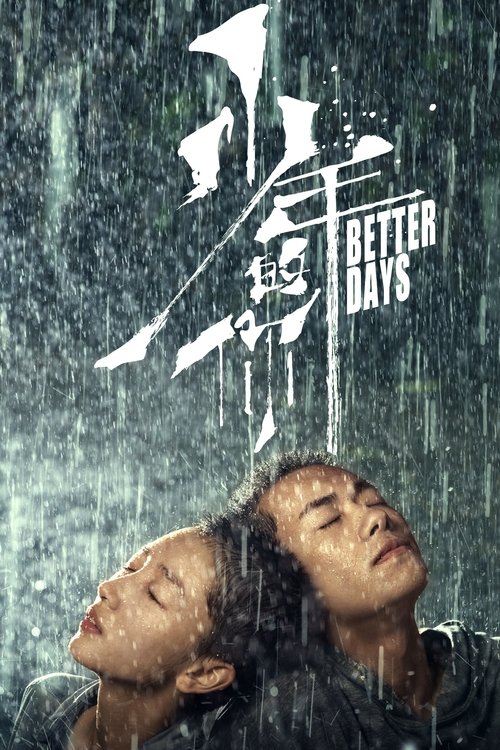
Better Days
少年的你
"You protect the world. I'll protect you."
Overview
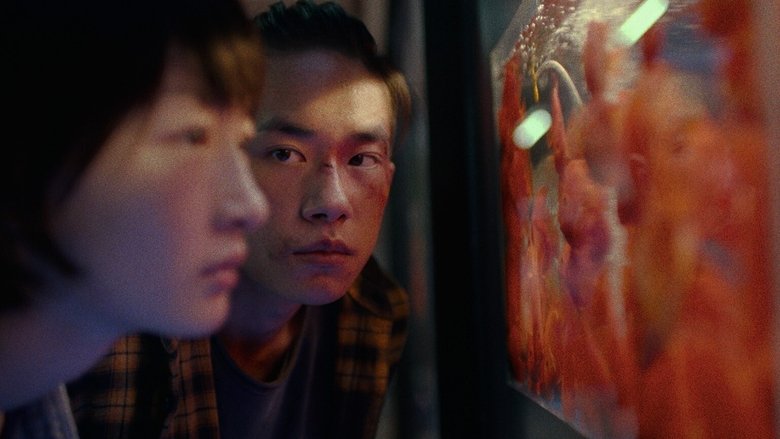
"Better Days" tells the harrowing story of Chen Nian, a high school student singularly focused on preparing for the gaokao, China's grueling national college entrance exam. Her life takes a dark turn when she becomes the target of severe and relentless bullying after a classmate commits suicide. Feeling isolated and unprotected by the adults and institutions around her, she forms an unlikely bond with Xiao Bei, a small-time street hoodlum. Their shared sense of alienation and desperation for a better life forges a powerful connection, as Xiao Bei becomes her fierce protector. Their fragile world is shattered when they are implicated in a murder, forcing them to make devastating choices to shield one another and preserve their dreams of a brighter future.
The film is a stark and unflinching look at the intense pressures faced by Chinese youth, from the overwhelming stress of the gaokao to the devastating impact of school violence. It navigates the complexities of their relationship, which transcends simple romance into a profound, sacrificial bond. As their lives spiral into a criminal investigation, "Better Days" becomes a gripping thriller that questions the societal structures that fail its most vulnerable members.

Core Meaning
The core message of "Better Days" is a powerful indictment of societal indifference to the suffering of its youth, particularly in the face of pervasive issues like bullying and immense academic pressure. Director Derek Tsang aimed to raise awareness about the brutal reality of school violence and the systemic failures that allow it to fester. The film explores the idea that in an environment where adults and institutions fail to protect the vulnerable, the youth are forced to create their own moral codes and systems of justice, often with tragic consequences. It posits that true hope and resilience can be found in human connection and selfless sacrifice, as exemplified by the profound bond between Chen Nian and Xiao Bei. Ultimately, the film is a plea for empathy and a call to action, urging society to create a safer and more supportive environment for its young people to thrive.
Thematic DNA
School Bullying and Its Consequences
This is the central theme of the film, depicted with raw and unflinching realism. The bullying Chen Nian endures is not just physical but also psychological, highlighting the devastating and long-lasting trauma it inflicts. The film shows how bullying can lead to suicide and escalating violence, and criticizes the inaction of school authorities and the bystander effect among students. It portrays bullying as a systemic problem rather than isolated incidents of cruelty.
Societal Pressure and the Gaokao
The immense pressure of the gaokao, China's national college entrance exam, serves as a pervasive backdrop to the narrative. The exam is depicted as a single, high-stakes event that determines a young person's entire future, creating an intensely competitive and stressful environment. This pressure contributes to the desperation of the characters and the indifference of the adults, who are more focused on academic success than the well-being of the students.
Sacrificial Love and Unlikely Alliances
The relationship between Chen Nian and Xiao Bei is a testament to the power of human connection in the face of adversity. Their bond is not a conventional romance but a deep, sacrificial love built on mutual protection and understanding. Xiao Bei's declaration, "You protect the world, I protect you," encapsulates his unwavering commitment to her future, even at the cost of his own. Their alliance highlights the idea that solace and strength can be found in the most unexpected of places.
Youth Alienation and Systemic Failure
Both Chen Nian and Xiao Bei are portrayed as outcasts who have been failed by society. Chen Nian is let down by her school and the police, who are initially ineffective in protecting her. Xiao Bei is a product of poverty and abandonment, living on the fringes of society. The film critiques the societal structures that neglect and marginalize its most vulnerable youth, leaving them to navigate a harsh and unforgiving world on their own.
Character Analysis
Chen Nian
Zhou Dongyu
Motivation
Her primary motivation is to score well on the gaokao so she can escape her small town and her troubled home life, and build a better future for herself and her mother. This dream of a "better day" is what fuels her endurance through the relentless bullying.
Character Arc
Chen Nian begins as a quiet and academically focused student who tries to remain invisible to survive the pressures of school. After becoming the target of vicious bullying, she is forced to confront the cruelty of her peers and the indifference of the adults around her. Her relationship with Xiao Bei empowers her to find her own strength and resilience. By the end of the film, she has transformed from a passive victim into a survivor who, as a teacher, actively protects a student from bullying, breaking the cycle of violence.
Liu Beishan (Xiao Bei)
Jackson Yee
Motivation
Initially driven by a survival instinct, his motivation shifts entirely to protecting Chen Nian and her dream of a better life. He sees in her a purity and hope that he has lost, and her success becomes his own form of redemption. His love for her is his driving force.
Character Arc
Xiao Bei is introduced as a tough and cynical street thug who has been abandoned by his parents and forced to fend for himself. His tough exterior hides a deep-seated desire for connection and a strong moral compass. Meeting Chen Nian gives his life purpose, and he dedicates himself to her protection. His arc is one of selfless sacrifice, as he is willing to give up his freedom and even his life to ensure that Chen Nian has a chance at the future he can never have. He evolves from a directionless delinquent to a noble protector.
Zheng Ye
Yin Fang
Motivation
He is motivated by a genuine desire to protect the innocent and see justice served. He is particularly driven to help Chen Nian and Xiao Bei because he recognizes their vulnerability and the systemic failures that have put them in an impossible situation.
Character Arc
Zheng Ye starts as a young and somewhat naive police officer who believes in the justice system. As he investigates the bullying and the subsequent murder, he becomes increasingly frustrated with the limitations of the law and the systemic indifference he encounters. He develops a personal investment in Chen Nian and Xiao Bei's case, bending the rules in an attempt to achieve a more just outcome for them. His arc is a journey from idealism to a more world-weary but still compassionate understanding of justice.
Wei Lai
Zhou Ye
Motivation
Her motivations appear to stem from a desire for power and control, as well as a deep-seated insecurity and a lack of empathy, possibly fueled by the high expectations and emotional distance of her parents. She bullies others to maintain her social status and to feel a sense of superiority.
Character Arc
Wei Lai is the primary antagonist, a seemingly perfect and popular student from a wealthy family who is also a cruel and manipulative bully. Her character is a study in the darker aspects of privilege and the psychological motivations behind bullying. While her cruelty is undeniable, the film offers glimpses into the parental pressure and emotional neglect that may have shaped her behavior, adding a layer of complexity to her character. Her arc is a tragic one, leading to her own demise as a result of the very cruelty she inflicted on others.
Symbols & Motifs
Shaved Heads
The act of shaving their heads symbolizes solidarity, defiance, and a shared identity in their suffering. It is a powerful visual representation of their bond and their rejection of societal norms and the cruelty they have endured. For Chen Nian, it is also a way of reclaiming her identity after the bullies forcibly cut her hair to humiliate her.
After Chen Nian is brutally attacked and her hair is crudely cut by the bullies, Xiao Bei shaves her head to even it out. In a moving act of solidarity, he then shaves his own head. This scene marks a turning point in their relationship, solidifying their unspoken commitment to one another.
The White Daisy
The white daisy, which Xiao Bei gives to Chen Nian, can be interpreted as a symbol of innocence, purity, and hope in the midst of their dark and violent world. It represents the fragile beauty of their connection and their yearning for a better life.
Xiao Bei places a small white daisy in a jar in his otherwise bleak home. He later gives it to Chen Nian, a small gesture of tenderness and hope in their grim reality.
The Hood of a Hoodie
The hood of a hoodie serves as a recurring visual motif symbolizing a desire for anonymity, protection, and escape from the harsh realities of their lives. It is a way for the characters to shield themselves from a world that is hostile and judgmental.
Both Chen Nian and Xiao Bei are frequently shown with their hoods up, especially when they are walking together or in moments of vulnerability. It is a visual representation of their shared desire to be invisible and safe from the threats that surround them.
Memorable Quotes
你保护世界,我保护你 (Nǐ bǎohù shìjiè, wǒ bǎohù nǐ)
— Liu Beishan (Xiao Bei)
Context:
Xiao Bei says this to Chen Nian as their bond deepens and he takes on the role of her protector. It is a solemn promise that defines their relationship and his actions throughout the rest of the film.
Meaning:
This is arguably the most iconic line from the film. It encapsulates the depth of Xiao Bei's love and commitment to Chen Nian. He sees her potential to have a positive impact on the world and dedicates his own life, which he deems less valuable, to ensuring she has the opportunity to do so. It speaks to the theme of sacrificial love and their profound bond.
我们生活在阴沟里,但总有人仰望星空。(Wǒmen shēnghuó zài yīngōu lǐ, dàn zǒng yǒu rén yǎngwàng xīngkōng.)
— Chen Nian (written in her notebook)
Context:
This line is seen written in Chen Nian's notebook as she studies, serving as a personal mantra that keeps her focused on her goal of escaping her oppressive environment through education.
Meaning:
This quote, a famous line from Oscar Wilde, reflects Chen Nian's enduring hope and resilience despite her bleak circumstances. It signifies her determination to rise above her suffering and strive for a better future, symbolized by the "stars." It is a testament to the human spirit's ability to find hope even in the darkest of times.
长大就像跳水,闭上眼睛,往下跳,就好了。(Zhǎng dà jiù xiàng tiàoshuǐ, bì shàng yǎnjīng, wǎng xià tiào, jiù hǎole.)
— Zheng Ye
Context:
Zheng Ye says this to Chen Nian, acknowledging the lack of guidance and preparation for the harsh realities of adulthood. It's a moment of connection where he expresses a world-weary empathy for her struggles.
Meaning:
This quote offers a cynical yet perhaps realistic perspective on the transition to adulthood. It suggests that growing up is not a graceful or well-guided process, but a leap of faith into the unknown. It reflects the detective's own disillusionment with the complexities and injustices of the adult world.
Philosophical Questions
What is the nature of justice when the system fails?
The film deeply explores this question through the actions of Chen Nian and Xiao Bei. When the school authorities and the police are initially unable to protect Chen Nian, Xiao Bei steps in, offering a form of vigilante justice. This raises questions about whether their actions, including covering up a death, are justifiable in a context where the official channels of justice have proven ineffective. It forces the audience to consider the moral complexities of a situation where survival and loyalty clash with the letter of the law.
Can one truly escape their past and the trauma it holds?
"Better Days" suggests that while it is possible to survive and build a new life, the scars of the past remain. The final scene, with Xiao Bei still protectively following Chen Nian, implies that their shared trauma continues to define their relationship and their lives. Chen Nian's decision to become a teacher and protect a bullied student shows her attempt to transform her past suffering into something positive, but it also indicates that her experiences are never far from her mind. The film leaves the audience to ponder whether their "better days" are a complete absolution from the past or a continuous process of coping and healing.
What is the responsibility of the bystander in the face of injustice?
The film is a powerful critique of the bystander effect. The majority of Chen Nian's classmates witness her bullying but do nothing, either out of fear or indifference. Their inaction enables the bullies and contributes to Chen Nian's suffering. The film poses a difficult question to the audience: what is our responsibility when we witness injustice? It suggests that turning a blind eye is a form of complicity and that true change requires the courage to stand up for others, even when it is difficult or dangerous.
Alternative Interpretations
While the film's primary narrative is a straightforward and powerful story of bullying and sacrifice, some alternative interpretations exist, particularly concerning the ending and the nature of Chen Nian and Xiao Bei's relationship. One perspective is that the ending, where Chen Nian is a teacher and Xiao Bei is still watching over her, is not entirely a happy one. It can be seen as a poignant reminder of the lasting scars of their trauma. Xiao Bei remains on the fringes, his future still uncertain, suggesting that their "better days" are still a work in progress and that the past will always be a part of them.
Another interpretation delves into the socio-economic critique of the film. Chen Nian's escape through the gaokao can be seen as a commentary on the limited avenues for social mobility in China, where education is presented as the only way out of poverty and hardship. Xiao Bei's fate, in this reading, represents the plight of those who are denied this opportunity and are trapped in a cycle of poverty and crime. Their story becomes a tragic allegory for the class divisions and inequalities in modern Chinese society.
Cultural Impact
"Better Days" had a profound cultural impact in China and internationally, becoming a pop culture phenomenon and a box office success. The film's raw and realistic depiction of school bullying and the immense pressure of the gaokao resonated deeply with Chinese audiences, many of whom had personal experiences with these issues. It broke the silence on the often-taboo subject of school violence, sparking widespread public discussion and media coverage. The film was praised for its social commentary and was seen as a brave and necessary critique of the societal and educational systems that fail to protect vulnerable youth.
The film's success led to a renewed focus on anti-bullying legislation and policies in China, with the government itself acknowledging the importance of the issue. The powerful performances of Zhou Dongyu and Jackson Yee were highly lauded, with Yee's transition from a pop idol to a serious actor being a major talking point. The film also achieved significant international recognition, including a nomination for Best International Feature Film at the 93rd Academy Awards, which brought global attention to the issues it addresses. Its influence can be seen in the increased willingness of Chinese cinema to tackle sensitive social issues, paving the way for more socially conscious films.
Audience Reception
Audience reception for "Better Days" was overwhelmingly positive, both in China and internationally. Viewers praised the film for its powerful and emotionally gripping story, its brave and honest depiction of school bullying, and its moving portrayal of the central relationship. The performances of Zhou Dongyu and Jackson Yee were widely acclaimed, with many viewers impressed by their raw and authentic acting. Audiences found the film to be both heartbreaking and hopeful, and many shared personal stories of how the film resonated with their own experiences of bullying and academic pressure. The main points of criticism from some viewers were that the film's second half, which focuses more on the crime and investigation, was slower-paced than the first, and that some of the plot twists felt overly melodramatic. However, the overall verdict was that "Better Days" is a deeply affecting and socially important film that leaves a lasting impact.
Interesting Facts
- The film was initially selected to be screened at the 69th Berlin International Film Festival but was pulled at the last minute, reportedly due to pressure from Chinese censors regarding its sensitive subject matter of school bullying and its critical portrayal of the education system.
- Actress Zhou Dongyu, who was in her late 20s at the time of filming, convincingly portrayed a high school student. To prepare for the role and the intense bullying scenes, she was pushed to her emotional limits on set, with director Derek Tsang stating she was near a breakdown at times.
- Jackson Yee, a popular member of the Chinese boy band TFBoys, took on a dramatically different image for his role as the street-smart and tough Xiao Bei, earning widespread critical acclaim for his transformative performance in his first leading film role.
- The film sparked significant conversations about school bullying across China upon its release, leading to increased public awareness and calls for stronger anti-bullying measures. The end of the film even includes a message about the Chinese government's efforts to combat school violence.
- For the scene where Chen Nian's hair is forcibly cut by bullies, the production used real hair cutting. Subsequently, for the scene where Xiao Bei shaves her head, and his own in solidarity, both actors genuinely had their heads shaved on camera.
⚠️ Spoiler Analysis
Click to reveal detailed analysis with spoilers
Frequently Asked Questions
Explore More About This Movie
Dive deeper into specific aspects of the movie with our detailed analysis pages
Comments (0)
No comments yet. Be the first to share your thoughts!