
Skip to content
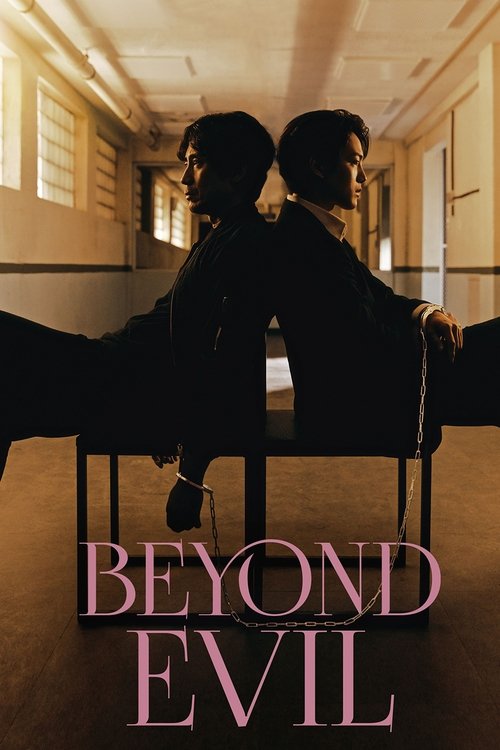
Beyond Evil
Set in a perpetually damp, claustrophobic South Korean backwater, this bleak psychological noir drowns viewers in suffocating paranoia, where two fractured detectives hunt monsters through a haunting labyrinth of rotting reed fields and fractured mirrors.
Beyond Evil
Beyond Evil

괴물

"These days... It's dangerous to trust someone."

19 February 2021 — 10 April 2021 South Korea 1 season 16 episode Ended 8.5 (189)

Cast: Shin Ha-kyun, Yeo Jin-goo, Choi Dae-hoon, Choi Sung-eun, Kim Shin-rock

Drama Crime Mystery The Nature of Evil & Systemic Complicity Prolonged Grief, Trauma, and Ambiguous Loss Moral Ambiguity & "Becoming the Monster" Reluctant Trust and Mutual Redemption

Beyond Evil — Ending Explained

⚠️ Spoiler Analysis

Twist 1: The Serial Killer Reveal (Ep 7–8): Kang Jin-mook, the seemingly soft-spoken, intellectually challenged butcher and father of Kang Min-jung, is revealed to be the serial killer who murdered Min-jung and multiple local women over twenty years, severing their fingertips.

Twist 2: Dong-sik's Action (Ep 2–4): Dong-sik found Min-jung's severed fingertips at Jin-mook's house. Knowing the police would write off her disappearance as a runaway, Dong-sik personally placed her fingertips at the minimart to trigger a public uproar and force a serial murder investigation.

Twist 3: Yu-yeon’s Cause of Death (Ep 11–14): Kang Jin-mook broke Yu-yeon's fingertips twenty years ago, but she escaped onto the main road. She was first hit by Park Jung-je’s car, and moments later, run over a second time by Han Ki-hwan (Joo-won's father), who was driving drunk with land developer Lee Chang-jin.

Twist 4: The Tripartite Conspiracy (Ep 12–15): Han Ki-hwan, Do Hae-won, and Lee Chang-jin covered up the hit-and-run to safeguard Ki-hwan's police promotion and Hae-won's land redevelopment project. Ki-hwan later ordered Jin-mook’s assassination in prison.

Finale Resolution (Ep 16): Joo-won acts as bait, recording a private conversation where Han Ki-hwan admits to his crimes. Ki-hwan, Hae-won, and Chang-jin are arrested. Dong-sik insists that Joo-won arrest him for evidence tampering. One year later, after serving his prison sentence, a fully healed Dong-sik meets Joo-won at Manyang butcher shop, and both exchange genuine, peaceful smiles.

Alternative Interpretations

The Psychological Dualism Reading: Dong-sik and Joo-won represent two halves of a single fragmented psyche restoring balance. Dong-sik represents emotional grief and chaos, while Joo-won represents intellect, order, and law. Only by combining their perspectives can justice be achieved.

The Real-Estate Allegory Reading: The story serves as an allegory for South Korean municipal real-estate redevelopment greed (Munju New Town redevelopment). The true monsters are not just serial killers, but politicians (Do Hae-won), police leadership (Han Ki-hwan), and Russian-linked brokers (Lee Chang-jin) who treat human lives as expendable obstacles to land values.

The Institutional Monster Reading: The title Goemul suggests that society itself creates monsters by demanding bureaucratic efficiency, covering up small mistakes, and failing to hold powerful figures accountable until corruption becomes systemic.

Explore More About This Movie

Dive deeper into specific aspects of the movie with our detailed analysis pages

Similar Movies