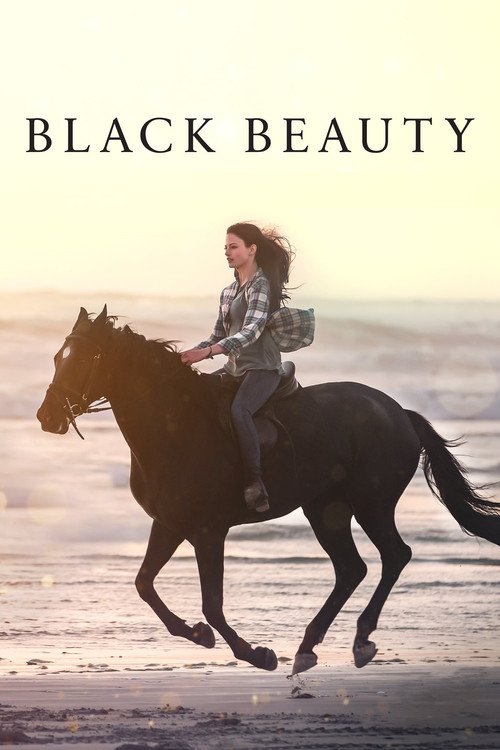
"Find your way home."
Black Beauty - Symbolism & Philosophy
Symbols & Motifs
The American West
The vast, open landscapes of the American West symbolize freedom, wildness, and a natural, untamed existence. It represents the idyllic life that Black Beauty was born into before being captured by humans.
The film opens with sweeping shots of wild mustangs galloping freely in the West. This imagery serves as a stark contrast to the confined and often cruel environments Beauty later finds herself in, constantly reminding the audience of the freedom she has lost.
Birtwick Stables
Birtwick Stables represents a sanctuary, a place of healing, kindness, and understanding. It is where both Jo and Black Beauty begin to recover from their respective traumas and form their deep bond.
After being captured, Beauty is brought to Birtwick where she meets John Manly and Jo. The stables are portrayed as a place where horses are treated with patience and respect, epitomizing the ideal relationship between humans and animals that the film advocates for.
The Stars
The stars symbolize the afterlife and an enduring connection to lost loved ones. Beauty's mother teaches her that when horses pass away, they rest among the stars, watching over those left behind.
This belief provides comfort to Beauty throughout her journey. When Jo is grieving her parents, Beauty wishes she could share this concept with her, highlighting the theme of shared spiritual understanding between the horse and the girl.
Philosophical Questions
What defines the relationship between humans and animals: ownership or partnership?
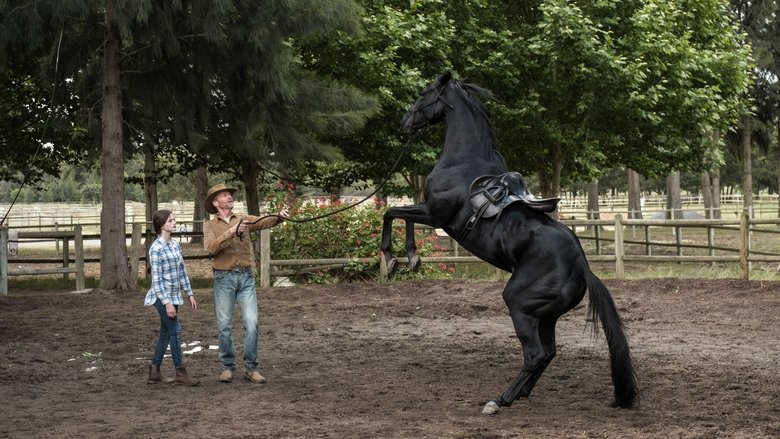
The film directly addresses this question through the character of Jo, who rejects the term "breaking" a horse in favor of "partnering." This linguistic shift reflects a deeper philosophical argument about the nature of our relationship with animals. The film contrasts the compassionate, partnership-based approach of John and Jo with the objectifying, ownership-driven mindset of characters like Mrs. Winthorp, who sees Beauty merely as a tool for winning competitions. Beauty's own narrative voice emphasizes her emotional and spiritual depth, challenging the notion of animals as mere property and advocating for a relationship built on mutual respect and understanding.
Can a spirit, whether human or animal, truly be broken?
The film explores the concept of an unbreakable "mustang spirit." Despite enduring capture, abuse, and profound loss, Black Beauty's core identity and hope for reunion remain. The narrative suggests that while trauma and suffering can inflict deep wounds, they cannot extinguish the innate spirit of a being. This theme is echoed in Jo's journey, as she moves through her grief without losing her capacity for love and empathy. The film posits that resilience is a fundamental quality of life, and that the spirit, in its essence, is wild and enduring.
Core Meaning
At its heart, the 2020 adaptation of "Black Beauty" is a powerful plea for empathy and kindness towards animals. Director Ashley Avis aimed to honor the original novel's message of animal welfare while modernizing it for a contemporary audience. The film explores the profound and healing bond that can exist between humans and animals, suggesting that this connection can mend even the most broken of spirits. By telling the story from Beauty's perspective, the film gives a voice to the voiceless and encourages viewers to consider the emotional lives of animals. It critiques animal cruelty, not just in overt forms but also in the casual neglect and ignorance that can cause suffering. Ultimately, the film champions the idea that all living creatures deserve to be treated with dignity and respect, and that true humanity is measured by our compassion for all beings.