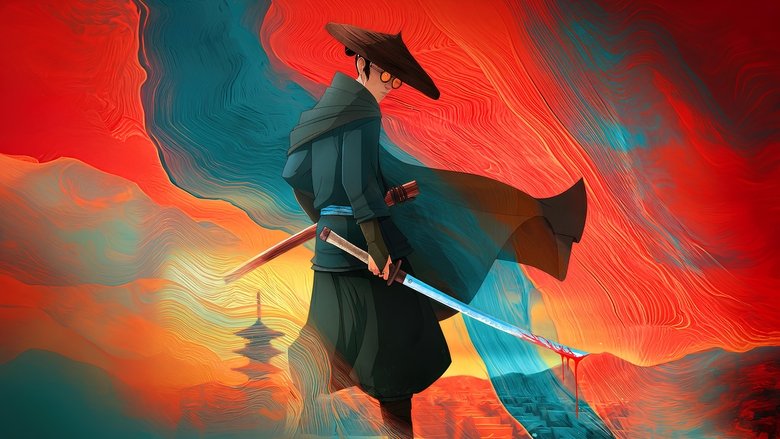
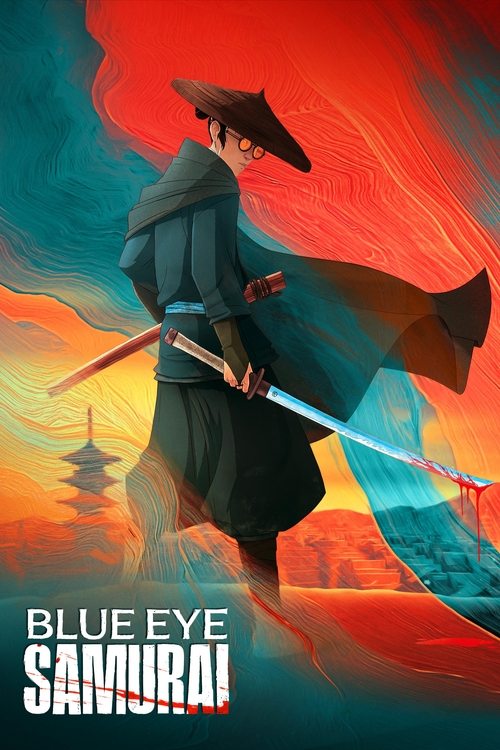
BLUE EYE SAMURAI - Symbolism & Philosophy
Symbols & Motifs
Blue Eyes
Mizu's blue eyes are the literal and metaphorical mark of her 'otherness.' In 17th-century Japan, they are seen as a sign of impurity and demonic heritage, making her an outcast. They symbolize the source of all her pain and the motivation for her revenge. The series subverts the Western idealization of blue eyes, turning them into a symbol of monstrosity within this specific cultural context.
Mizu's eyes are a constant presence throughout the series. She hides them under her hat and glasses to avoid detection and prejudice. The reveal of her eyes is often a pivotal moment in her interactions, eliciting fear, disgust, or shock. They are the physical manifestation of the identity she cannot escape.
The Meteorite Sword
Mizu's unique katana, forged from a meteorite by her and Swordfather, symbolizes her own origins. Like the metal from the stars, she is a foreign element in Japan, something not of this world. The process of forging the sword—folding the steel to remove impurities while leaving just enough to give it strength—is a direct metaphor for Mizu's own journey of self-acceptance. Her initial sword, made 'too pure,' breaks, symbolizing how her refusal to accept the 'impurities' of friendship and vulnerability makes her brittle.
The sword is introduced in flashbacks in Episode 1, showing how Mizu and Master Eiji find the meteorite as a child. It is her signature weapon throughout her quest. The sword breaking during her first confrontation with Fowler in Episode 6 is a major turning point, forcing her to return to her master and re-learn the lesson that some 'impurities' are necessary for resilience.
Bunraku Puppets
The Bunraku puppet theater, featured prominently in Episode 5, symbolizes manipulation and the struggle for agency. The puppets are controlled by unseen masters, reflecting how characters like Akemi and Mizu feel controlled by societal expectations and their own destinies. The play itself, 'The Tale of the Ronin and the Bride,' parallels Mizu's own tragic story of love and betrayal. The character designs themselves were inspired by the elegant, elongated forms of these puppets.
Episode 5 intercuts a Bunraku performance with flashbacks to Mizu's arranged marriage. The puppet show's narrative directly mirrors Mizu's own experiences, creating a powerful, layered storytelling device that explores themes of fate, betrayal, and female rage.
Philosophical Questions
Can a life defined by revenge ever lead to peace?
The series constantly explores this question through Mizu. Her singular focus gives her immense strength and skill but leaves her emotionally hollow and isolated. The brief glimpse of happiness she finds in her marriage is contingent on abandoning her quest, suggesting that peace and revenge are mutually exclusive. The show asks viewers to consider whether the satisfaction of vengeance is worth the destruction of one's own soul and the collateral damage inflicted on the world, as seen in the devastating fire Mizu inadvertently causes.
Is identity forged by birth, or by choice and action?
Mizu is defined by her birth as a 'monster' due to her mixed parentage. She spends her life fighting against this imposed identity. The series delves into whether she can ever escape the label society has given her. By disguising herself as a man and becoming a master swordsman, she attempts to forge a new identity through her actions. However, her blue eyes always remain, a permanent reminder of her origins. The show explores the tension between the identity society forces upon us and the one we strive to create for ourselves.
Core Meaning
"BLUE EYE SAMURAI" explores the profound pain of being an outcast and the corrosive nature of a life dedicated solely to revenge. The series posits that one's perceived weaknesses or deformities—the very things that cause society to label them as 'monsters' or 'impure'—can be forged into their greatest strengths. It delves into the multifaceted nature of identity, particularly for those of mixed heritage, questioning what it means to belong in a world that refuses to see you as whole. Ultimately, the creators examine whether a path paved with vengeance can ever lead to peace or self-acceptance, suggesting that true strength lies not just in the perfect, flawless sword, but in embracing the 'impurities' that give one resilience, including the connections made with others.