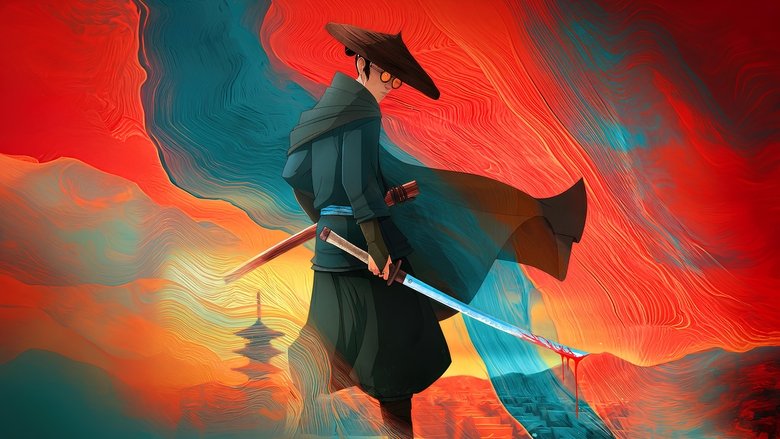
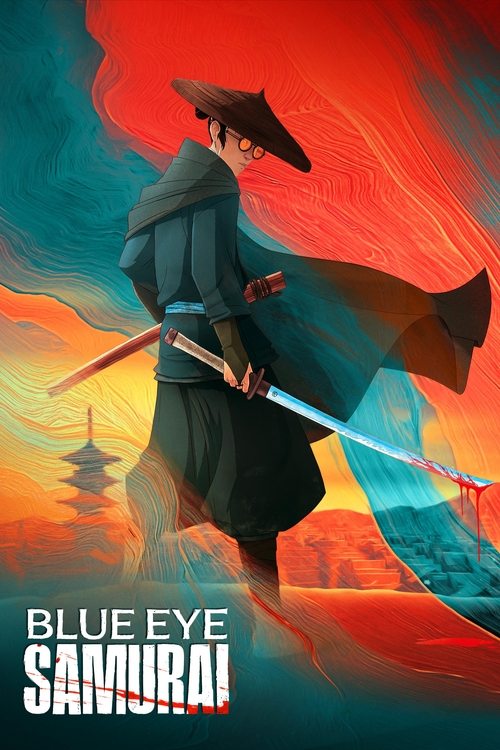
Cast: Maya Erskine, George Takei, Masi Oka, Cary-Hiroyuki Tagawa, Brenda Song
BLUE EYE SAMURAI — Movie Quotes
Memorable Quotes
Revenge is a path that ends in a puddle of blood. Mine, or his. It makes no difference.
Context
This is part of Mizu's internal monologue and narration, establishing her worldview early in the series as she begins her hunt.
Meaning
This quote encapsulates Mizu's fatalistic and all-consuming dedication to her quest. It shows that she has accepted the high probability of her own death and sees no other possible outcome for her life beyond vengeance. It highlights the nihilism at the heart of her journey.
You're deformed. But you're still strong.
Context
Spoken in Episode 1, "Hammerscale," after Mizu saves Ringo in his father's noodle shop. It's the moment Ringo decides he must become Mizu's apprentice.
Meaning
Ringo says this to Mizu, seeing a kinship between her blue eyes (a 'deformity' in their society) and his own lack of hands. It's the first time someone has reframed Mizu's defining 'flaw' as something that coexists with strength, rather than negating it. The line is the crux of the show's theme of outcasts finding strength in what makes them different.
I want to be in control of my life. I want to be great.
Context
Said in the final episode, "The Great Fire of 1657," after the attack on the castle, when Taigen offers to run away with her. She refuses, cementing her new path.
Meaning
This marks the culmination of Akemi's transformation from a romantic idealist into a pragmatic and ambitious woman. She rejects the path of love offered by Taigen, choosing instead to remain in a political marriage to pursue power and agency. It's a pivotal moment where she defines her own version of freedom.
Explore More About This Movie
Dive deeper into specific aspects of the movie with our detailed analysis pages